
Teroka Projek Arduino
Ratusan projek dari pemula hingga mahir: gambar rajah litar, kod dan video. Mulakan di tahap mana pun kamu berada.
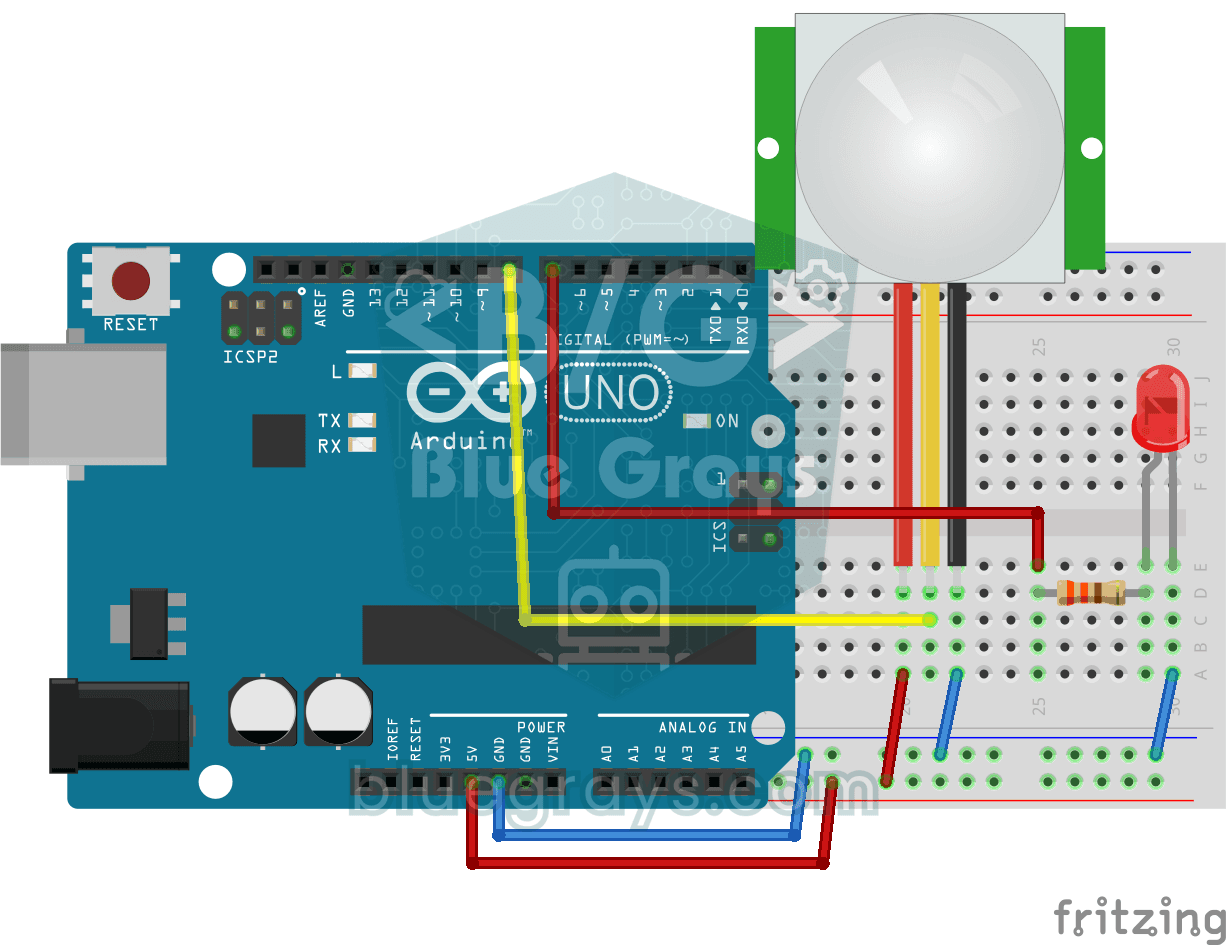
Motion Detector with Motion Sensor
A simple guard that tells you when someone walks into the room. The motion sensor picks up the warmth given off by the human body, and the Arduino keeps the LED on as long as there is movement and…
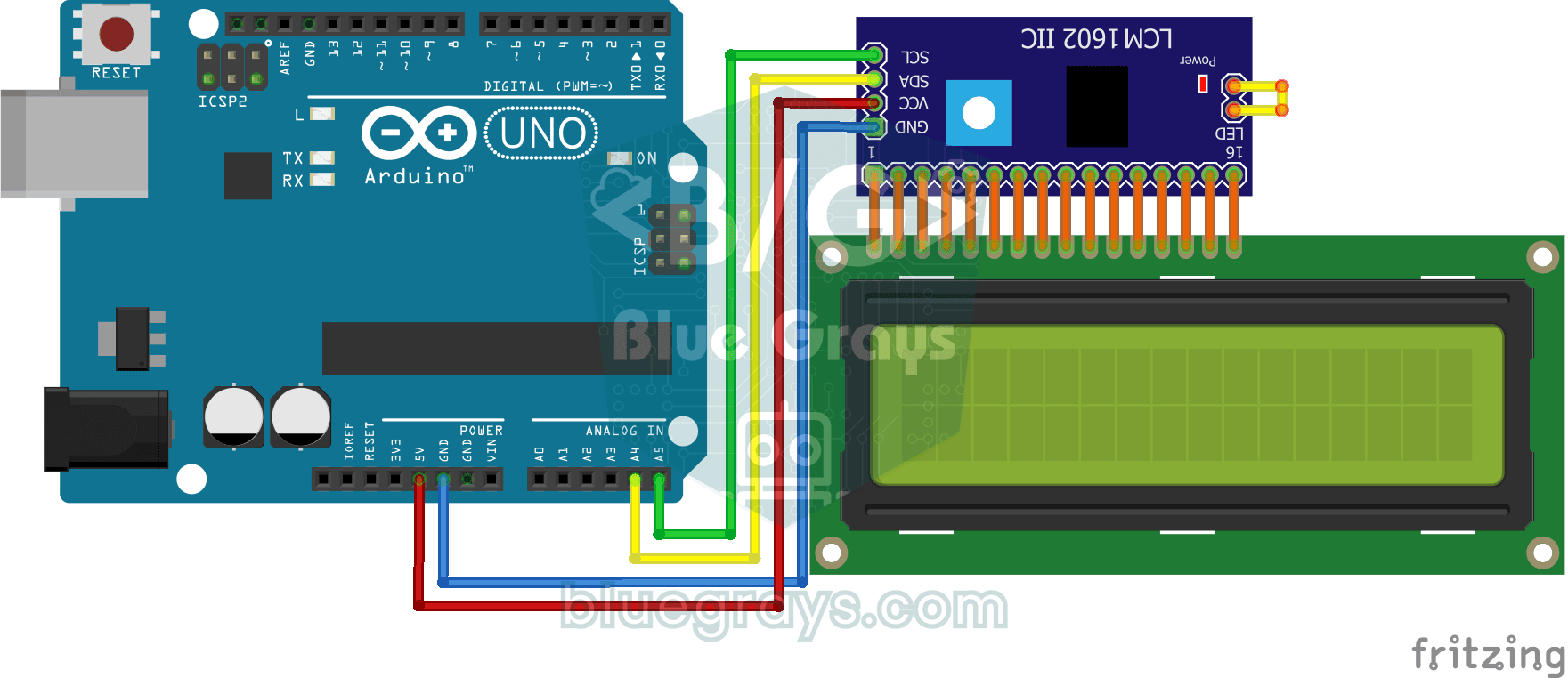
Using LCD Screen with I2C
Give your Arduino its own screen and make it write its first message. The two-line LCD screen hooks up with just a few wires; a greeting appears on the top line, then a second message on the bottom…
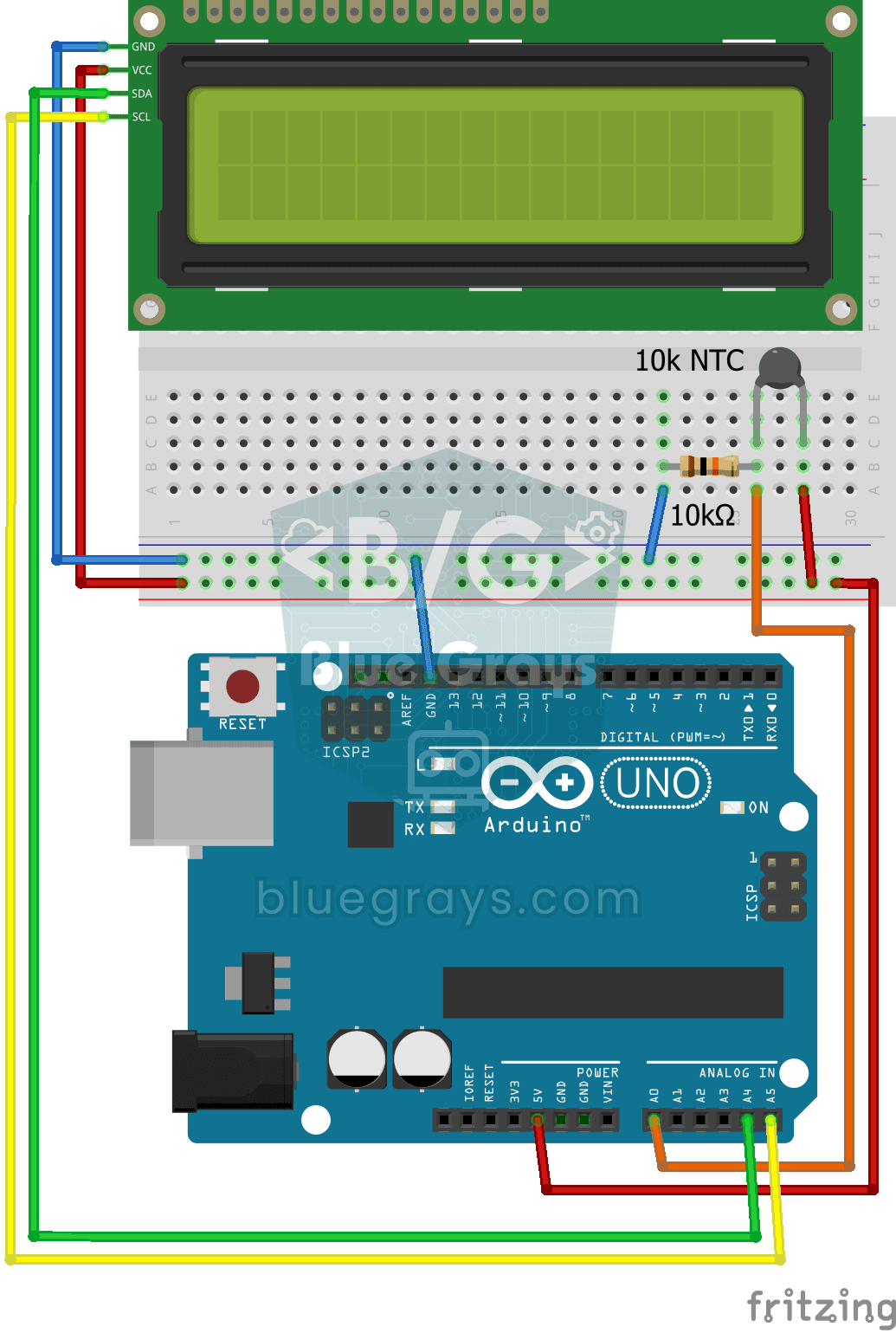
Temperature Measurement with NTC and 2x16 Lcd Display
Measure the temperature around you with a sensor that looks like a tiny bead. This part, called an NTC, lets electricity through more easily as it warms up; the Arduino reads that change, turns it…
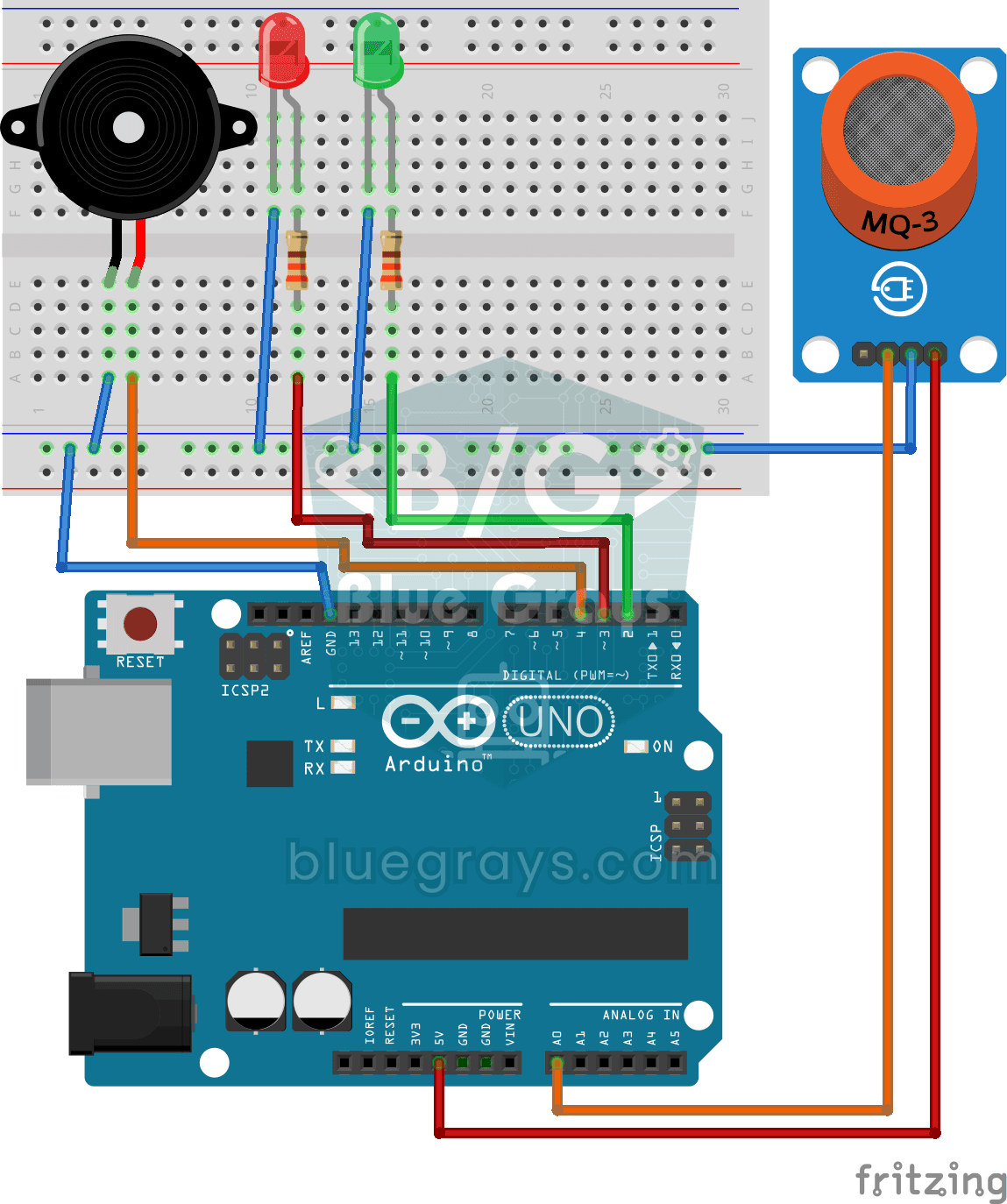
Using a Gas Sensor
A little guard that notices a gas leak in the kitchen before you do. The gas sensor keeps sniffing the air; while everything is fine the green LED stays on, and when the gas in the air passes a…

ESP32 Night Light with LDR
Night light where the LED automatically turns on in the dark and off in the light. The D0 (digital out) pin of the LDR Sensor Module is used - the dark threshold is set with the small potentiometer on the module, the module itself generates the HIGH/LOW output. ESP32 just reads this signal with digitalRead(), the code is very simple.
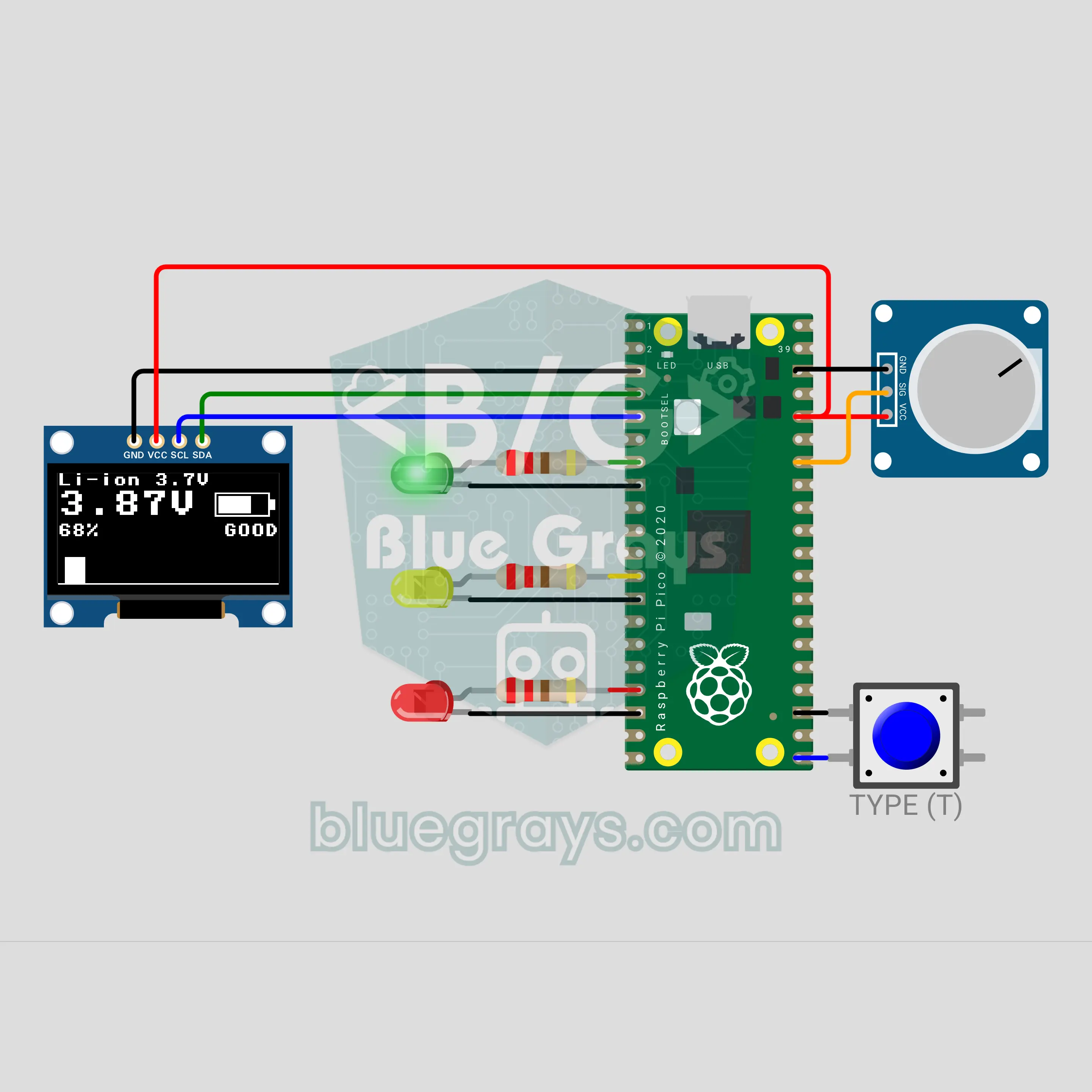
Raspberry Pi Pico Battery Tester (Voltage Divider + OLED + 3 LEDs)
Which batteries in the drawer are still good? The moment you touch a battery to the two probes, the Raspberry Pi Pico shows the voltage, the charge percent and a filling battery icon on an OLED display, and a green, yellow or red LED gives the verdict. A button switches between AA, NiMH, Li-ion and 9 V. A voltage divider brings even 9 V down to a level the Pico can safely measure, and averaging 32 readings keeps the value steady.
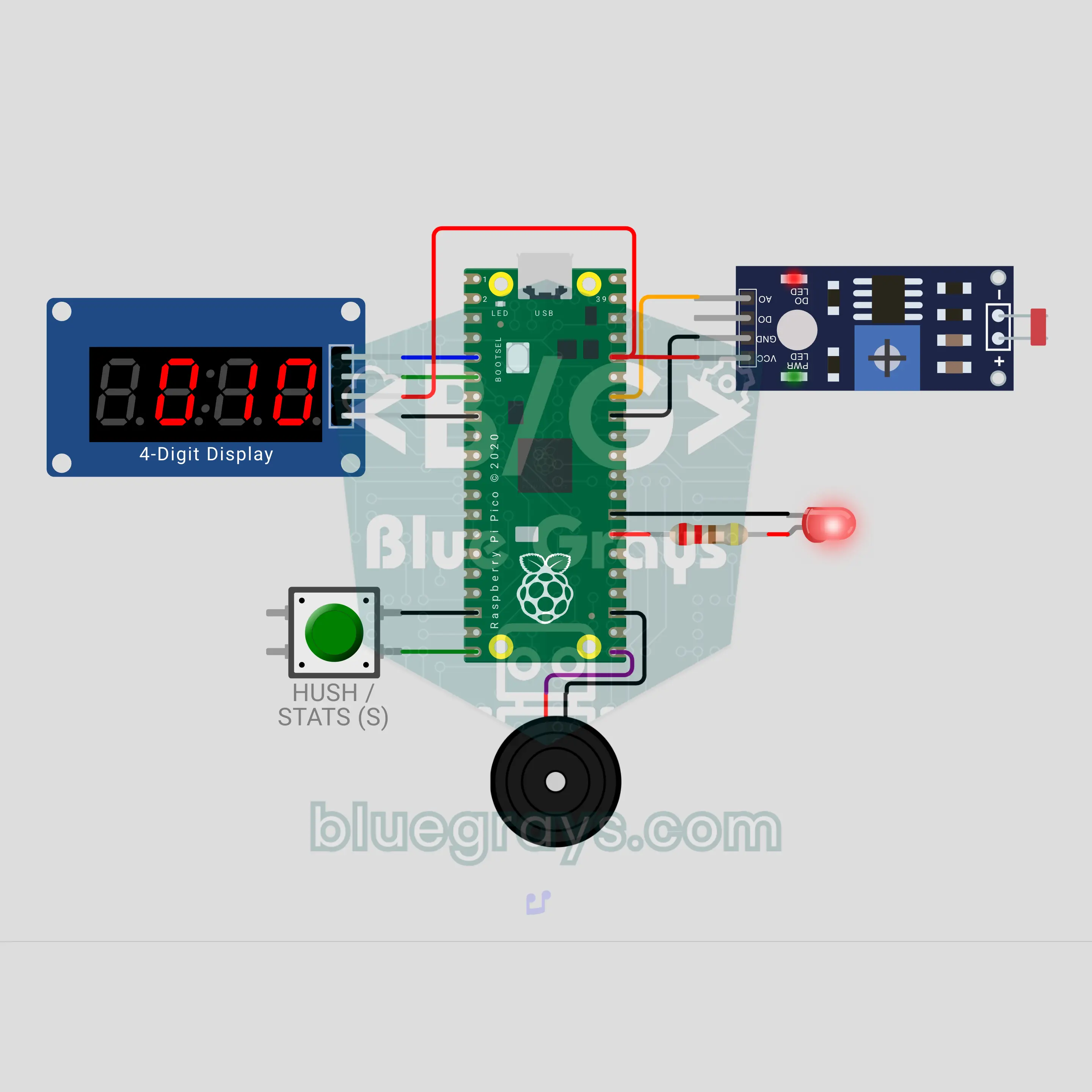
Raspberry Pi Pico Fridge Door Left Open Alarm (LDR + TM1637 + Buzzer)
Who left the fridge door open? The Raspberry Pi Pico sees the inner lamp through an LDR and counts on a TM1637 display how many seconds the door has been open. At 20 seconds it gives a gentle double beep, at 40 seconds an insistent siren with a red LED; the button mutes the alarm for 60 seconds. The number of openings, the total and the longest open time are saved, so a power cut does not erase them.
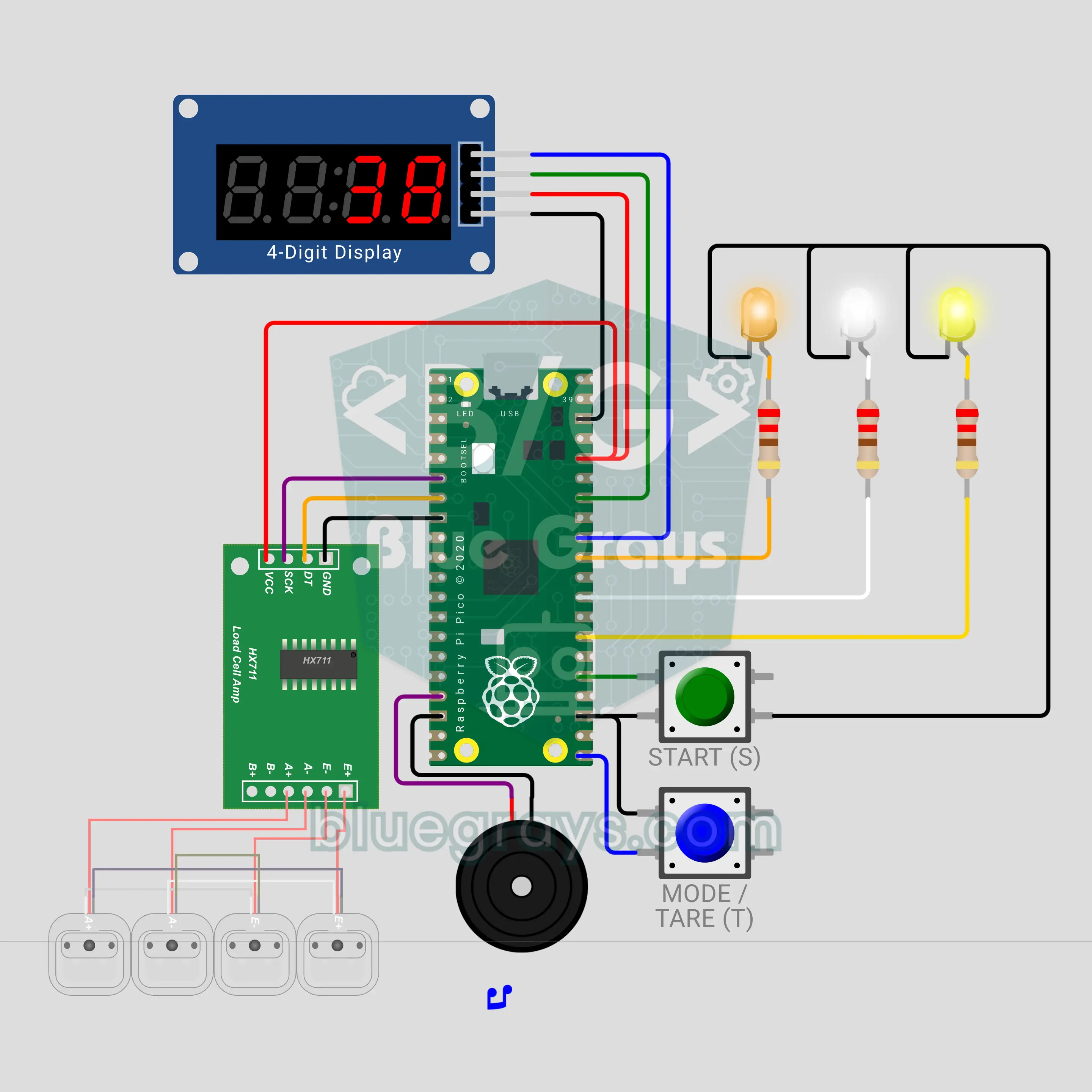
Raspberry Pi Pico Grip Strength Meter (HX711 + Load Cell + TM1637 + 3 LEDs + Buzzer)
The grip version of the fairground strength tester! Squeeze the 50 kg load cell between two handles: the HX711 reads the force, the TM1637 counts up in kilograms, the buzzer pitch rises and 3 LEDs show bronze, silver and gold. The peak is held, and the record stays in best.txt even through a power cut. In duel mode two players squeeze in turn and the winner gets a fanfare.
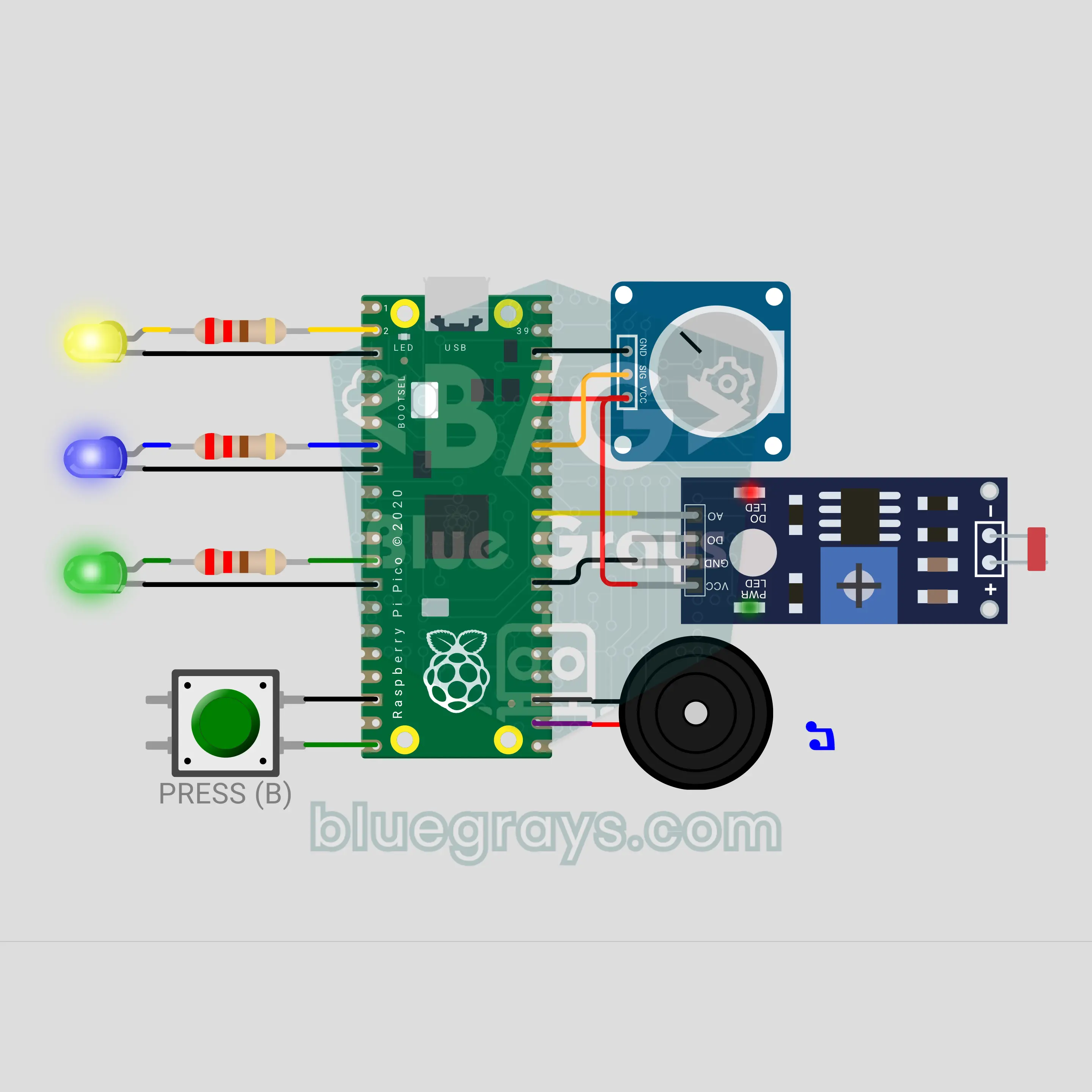
Raspberry Pi Pico W Press It! Turn It! Cover It! Command Game (Button + Pot + LDR + 3 LEDs + Buzzer)
A reflex game in the style of the 90s command toys: the Raspberry Pi Pico W calls out PRESS IT, TURN IT or COVER IT at random, and you press the button, turn the pot from one end to the other or cover the LDR with your hand. Every command has its own LED and sound. Each right answer makes the time shorter, from 2.5 seconds down to 0.9. A wrong move or a late one means GAME OVER, and your score is counted out on the LEDs.
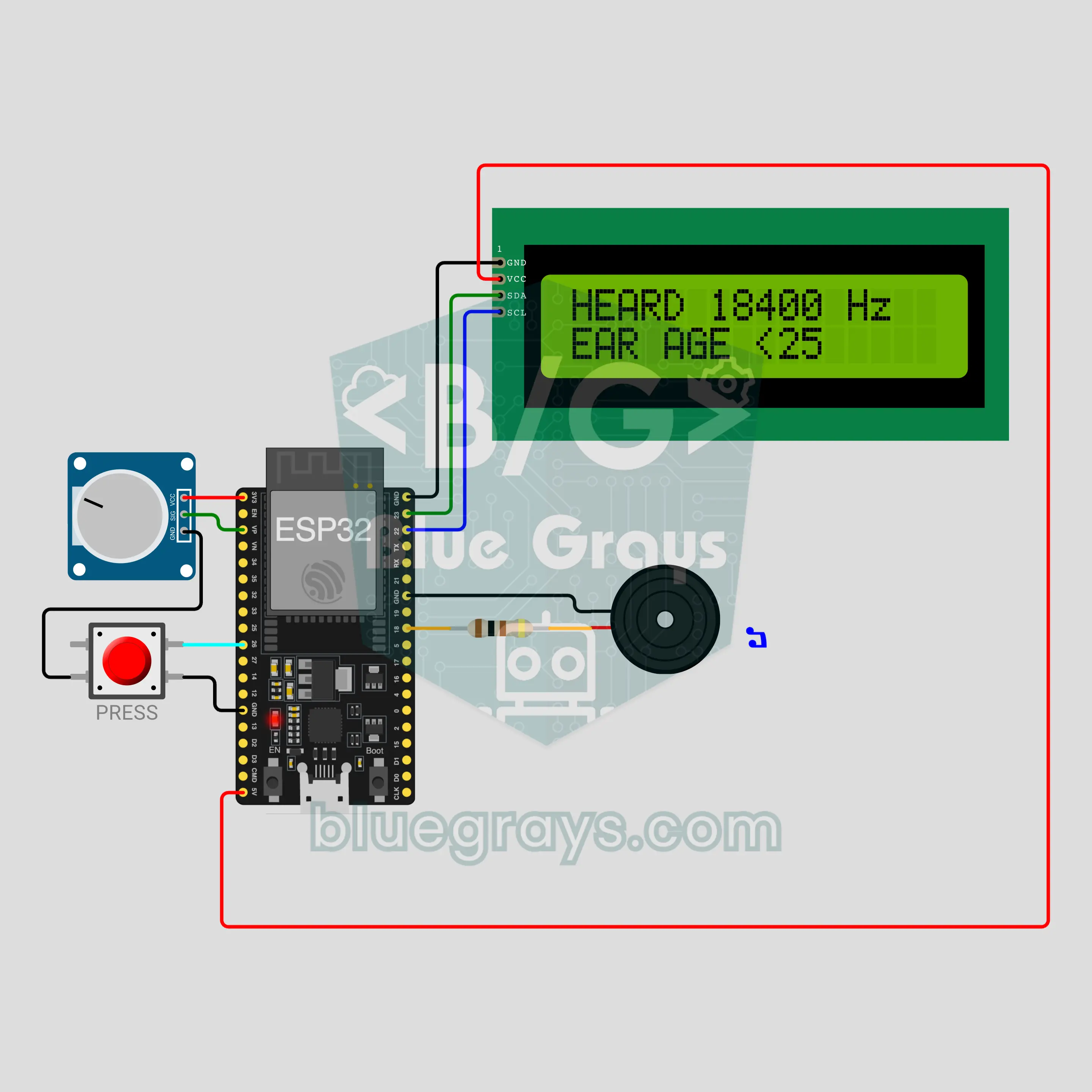
ESP32 Ear Age Test: Can You Hear This Sound? (Speaker + Pot + I2C LCD + Button)
A desk version of the social media "can you hear this sound?" test: a speaker plays beeps that climb step by step from 8 kHz to 20 kHz, and you press the button the moment you stop hearing them. The I2C LCD shows the last frequency you heard and a rough ear age, and a pot sets the volume. It is for fun, not a medical hearing test; start with the volume low.
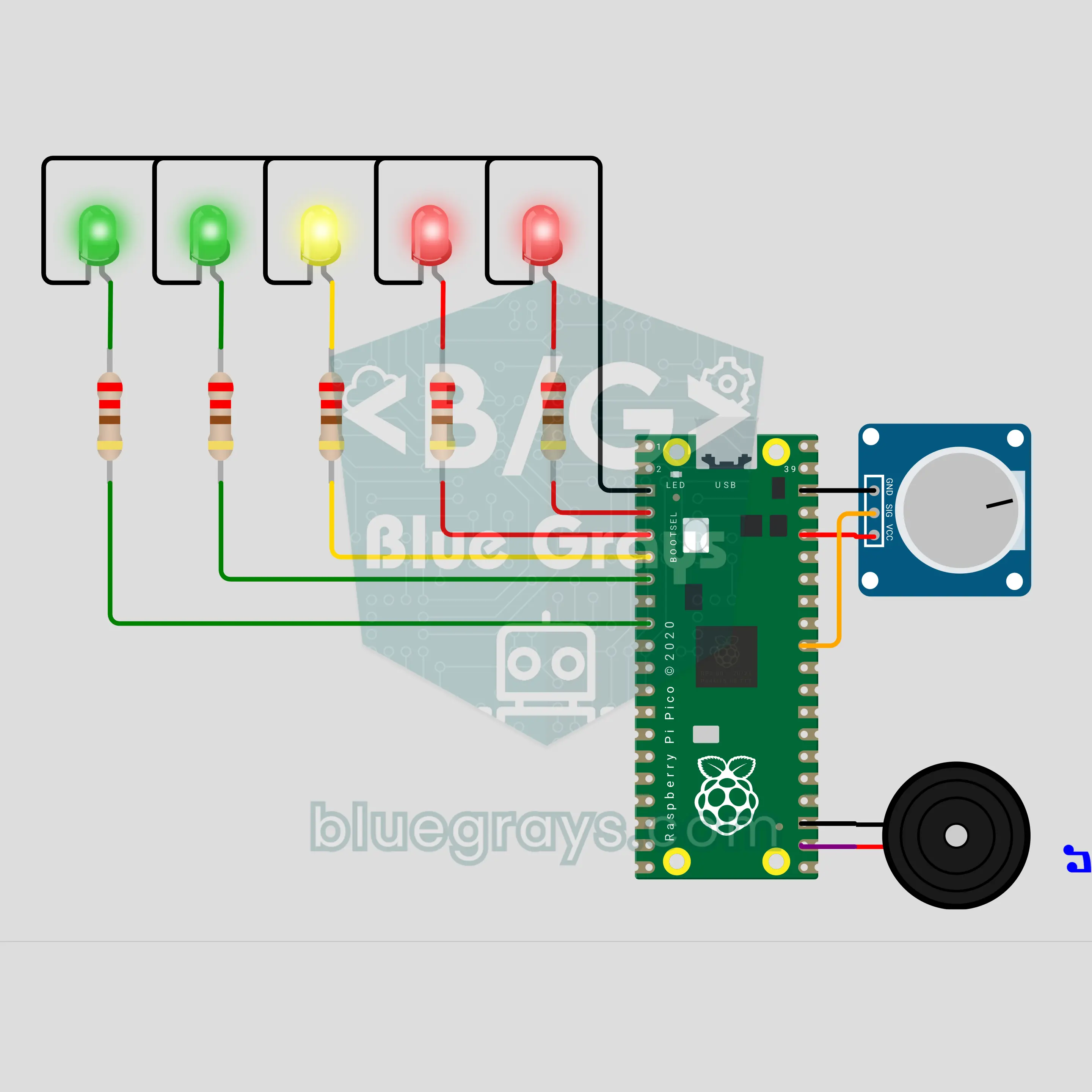
Raspberry Pi Pico W Excitement Meter: A Party Game You Play with Your Fingers (Voltage Divider + 5 LEDs + Buzzer)
A lie detector style party game for your friends: you rest two fingers on two electrodes and the Raspberry Pi Pico W first measures your calm baseline. As the questions get harder your skin resistance drops and the voltage divider output rises: the 5 LED bar fills up, the buzzer beeps higher and a sudden jump sets off a siren. The measurement is real, but it is just for fun, not a real lie detector.
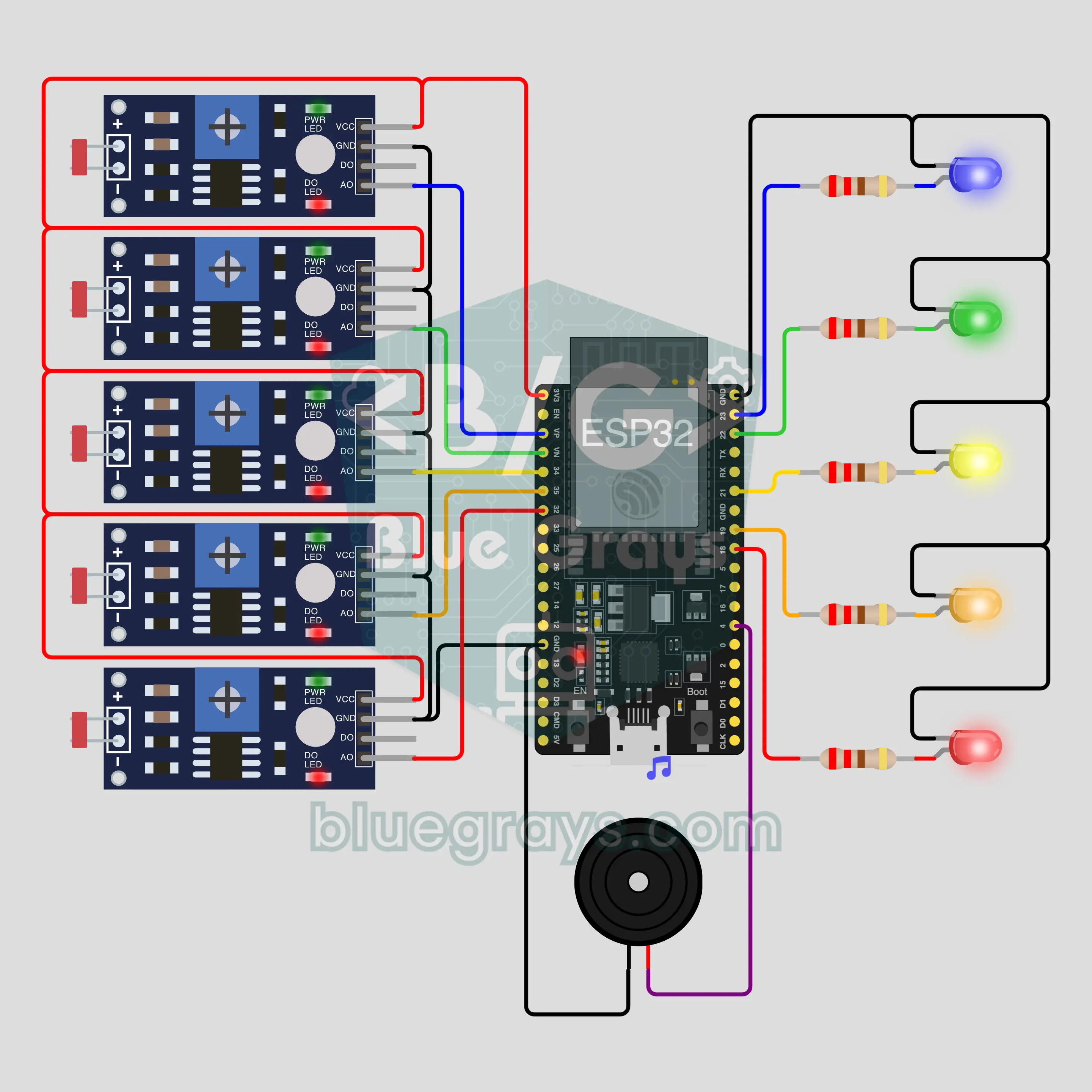
ESP32 Piano Stairs: Every Step Plays a Note (5 LDR + 5 LED + Buzzer)
The world-famous piano stairs experiment on your desk: an LDR light gate on every step catches the shadow of a foot, and the ESP32 plays that step's note on the buzzer and lights its LED. The steps are C D E F G; at start-up every LDR measures the room light and sets its own threshold. Climb the whole flight for a rising tune, go down for a falling one.