
Arduino loyihalarini kashf qil
Boshlang‘ichdan yuqori darajagacha, sxemali, kodli va videoli yuzlab loyihalar. Qaysi darajada bo‘lsang, o‘sha yerdan boshla.
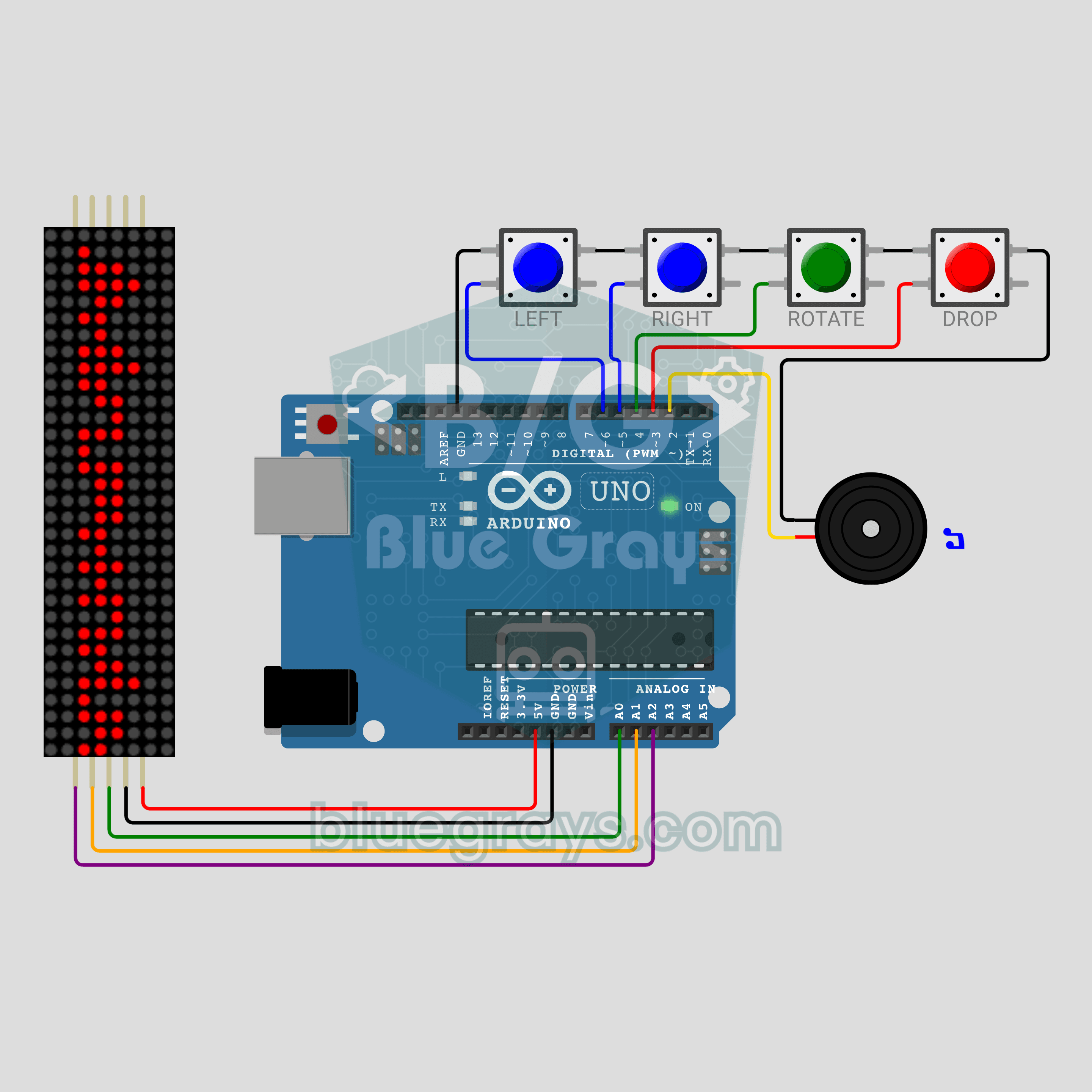
Arduino Tetris (MAX7219 8x32 LED Matrix + 4 Buttons + Buzzer)
No screen, just 256 LEDs: Tetris with music on an Arduino! A MAX7219 8x32 LED matrix standing upright becomes an 8 wide, 32 tall playfield, and 4 buttons move, rotate and drop the pieces. A passive buzzer plays the Tetris theme, full rows flash away and the game speeds up every 2 rows. The matrix is driven without a library, and the best score is kept in EEPROM.
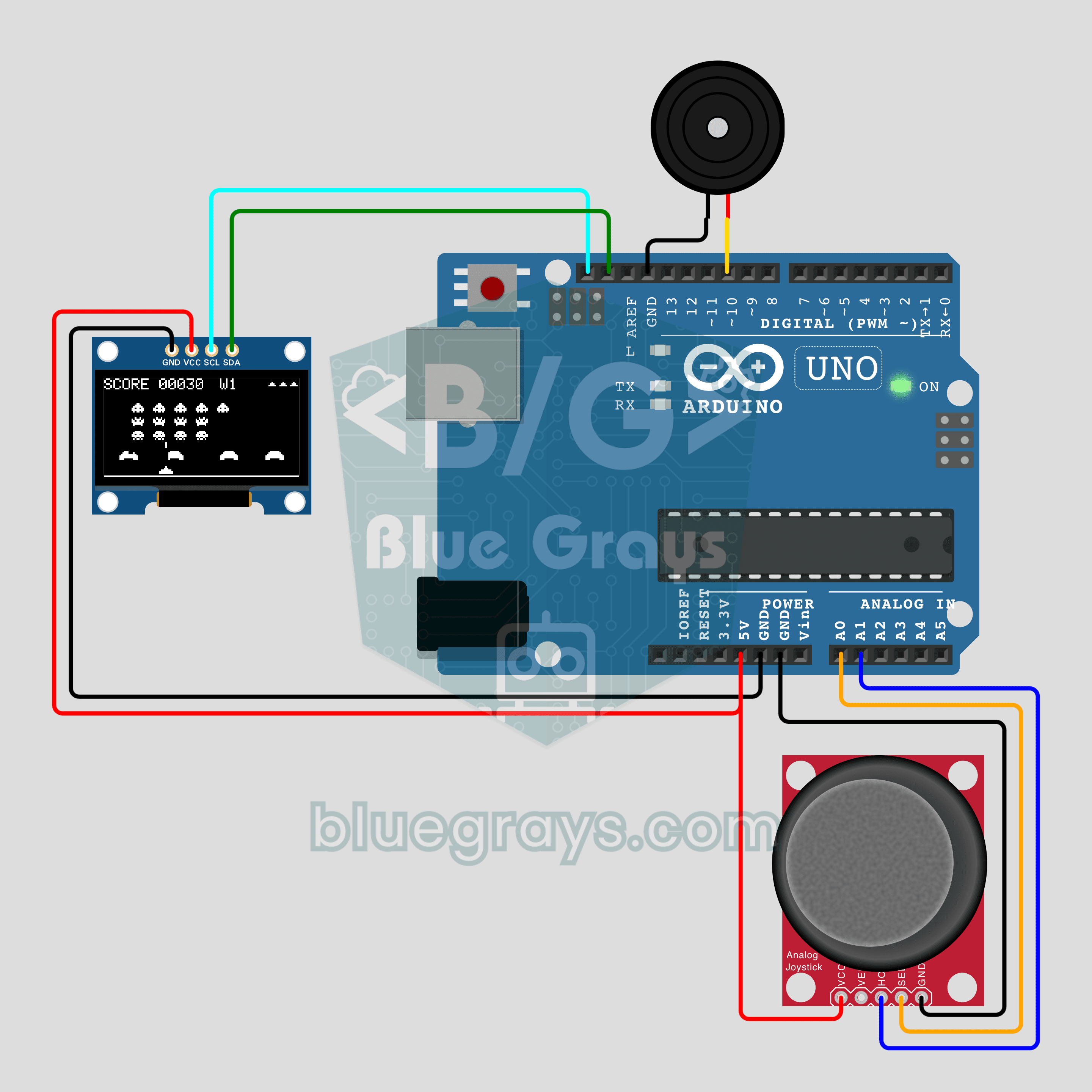
Arduino Alien Attack (0.96 inch OLED + Joystick + Buzzer)
The 1978 legend on a 0.96 inch screen! On a 128x64 OLED, an army of 15 aliens marches, steps down at every edge and speeds up as it thins out. The joystick steers the ship like a wheel and its button fires; there are 4 shields, a bonus UFO and waves that keep getting harder. A passive buzzer plays the classic march and the effects, and the best score is kept in EEPROM.
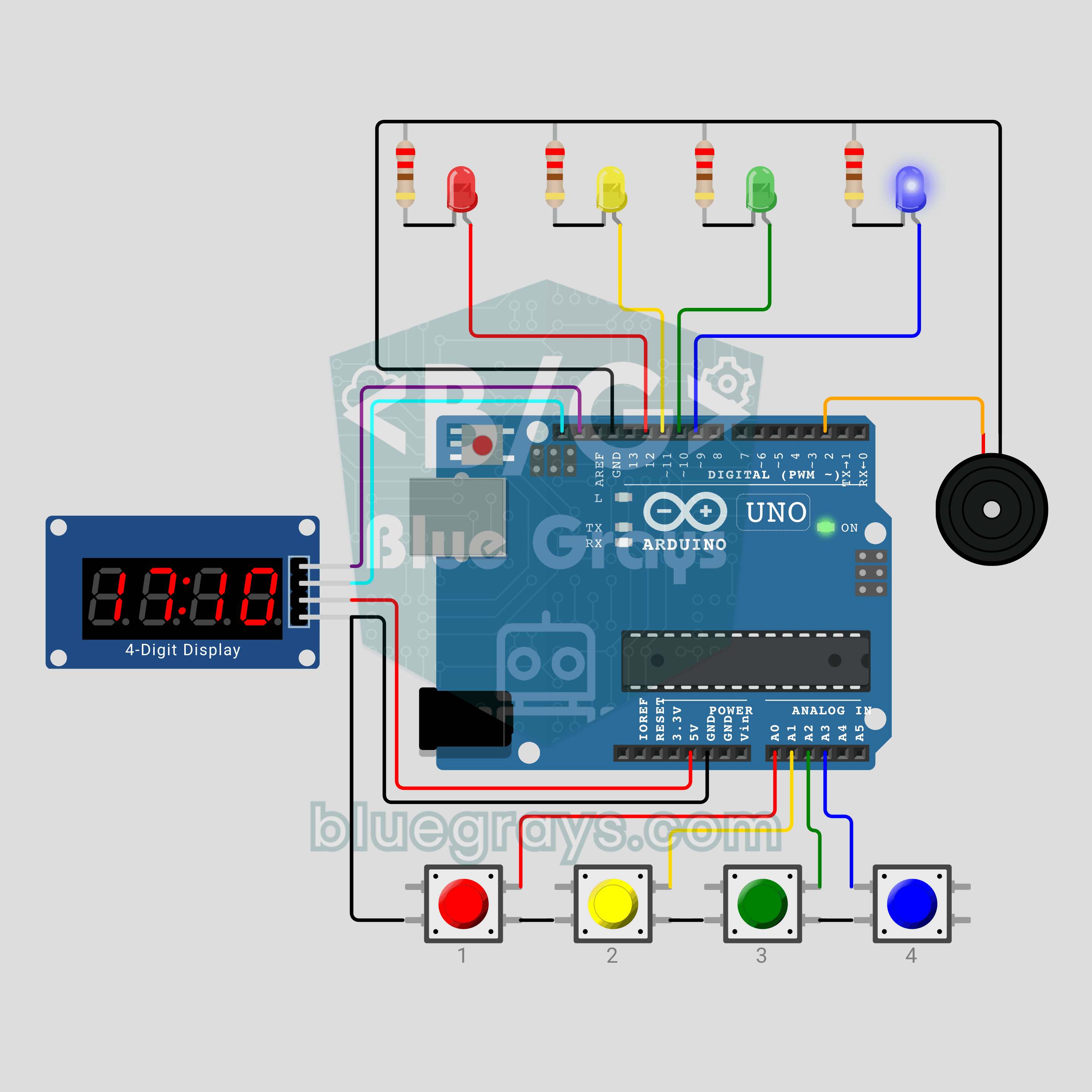
Arduino Whack-a-Mole Game (4 LEDs + 4 Buttons + TM1637 Display)
Hit it the moment it lights up! The arcade classic whack-a-mole on your desk: one of 4 LEDs lights up at random, and if you press the button of the same colour before it goes out, you score. Every 5 hits is a new level and the moles stay up for less time. A wrong button costs 1 point and 3 seconds. Time and score show on the TM1637, the record lives in EEPROM, and a passive buzzer gives each hole its own sound.
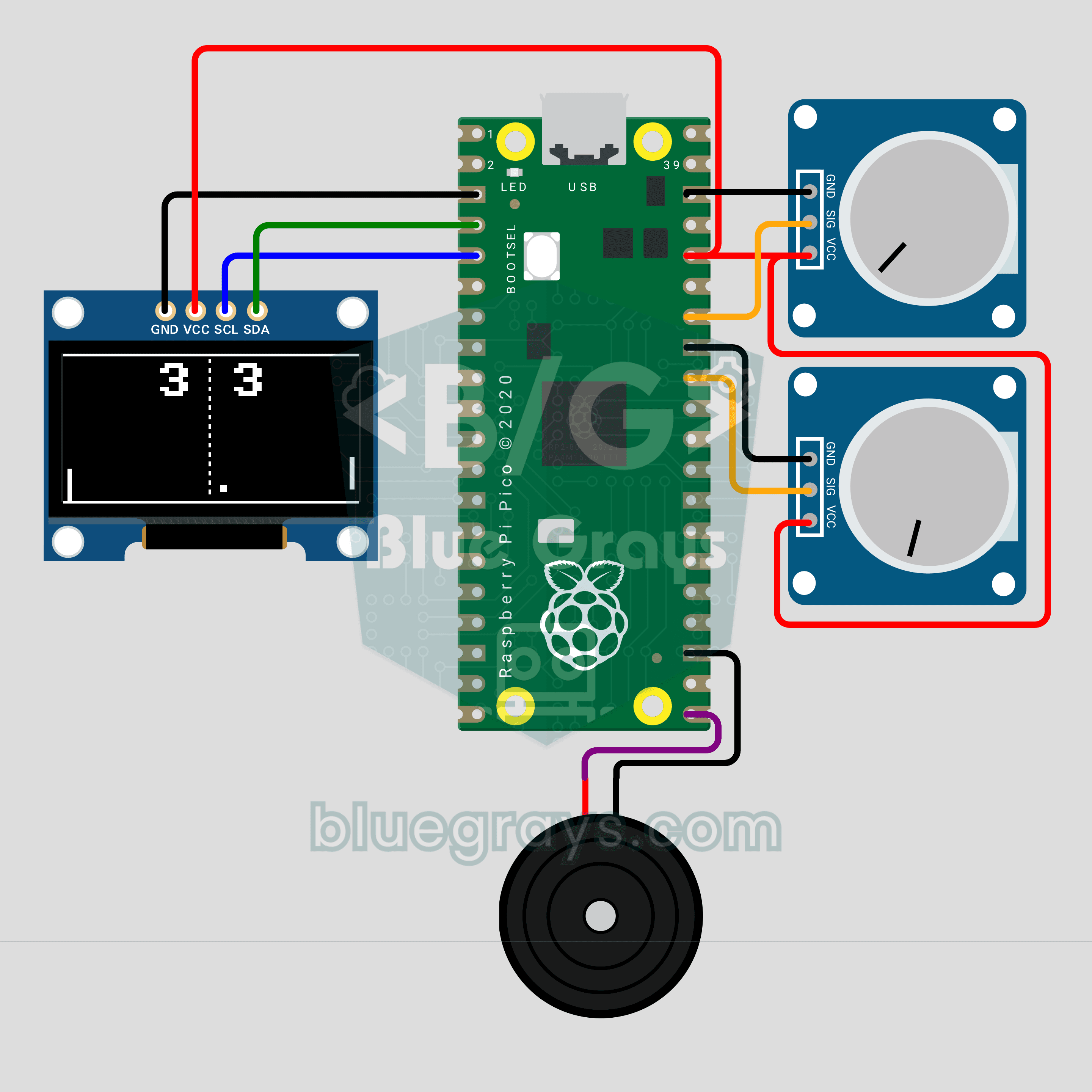
Raspberry Pi Pico Paddle Ball Game (OLED Display + 2 Potentiometers + Buzzer)
The classic paddle ball game, now on a 0.96 inch OLED for two players! Each player turns their own potentiometer to move a paddle. The ball speeds up on every hit and bounces off at an angle set by where it lands on the paddle; first to 5 points wins. A buzzer plays the wall, paddle and point sounds. Analog input, integer physics and partial screen updates in one game on the Raspberry Pi Pico.
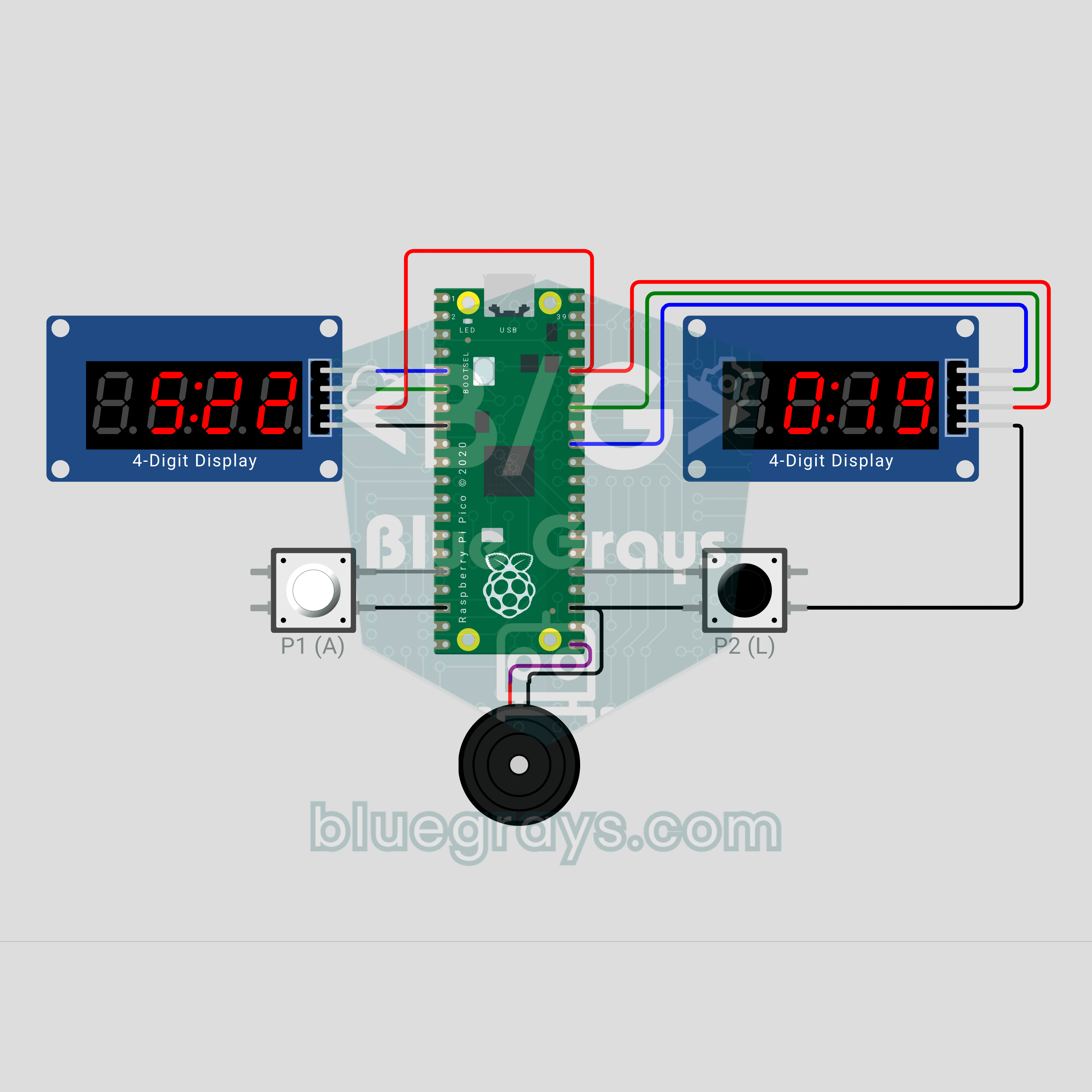
Raspberry Pi Pico Chess Clock (2 TM1637 Displays + 2 Buttons + Buzzer)
Make your move, hit the button, and the clock switches sides! A two-player chess clock with a Raspberry Pi Pico: each player's time runs down on their own TM1637 display and the mover gets an increment. The last 10 seconds show hundredths, a flagged side blinks FLAG and the buzzer sounds an alarm. Press both buttons together to pause. The TM1637 driver lives in the code, no library needed.
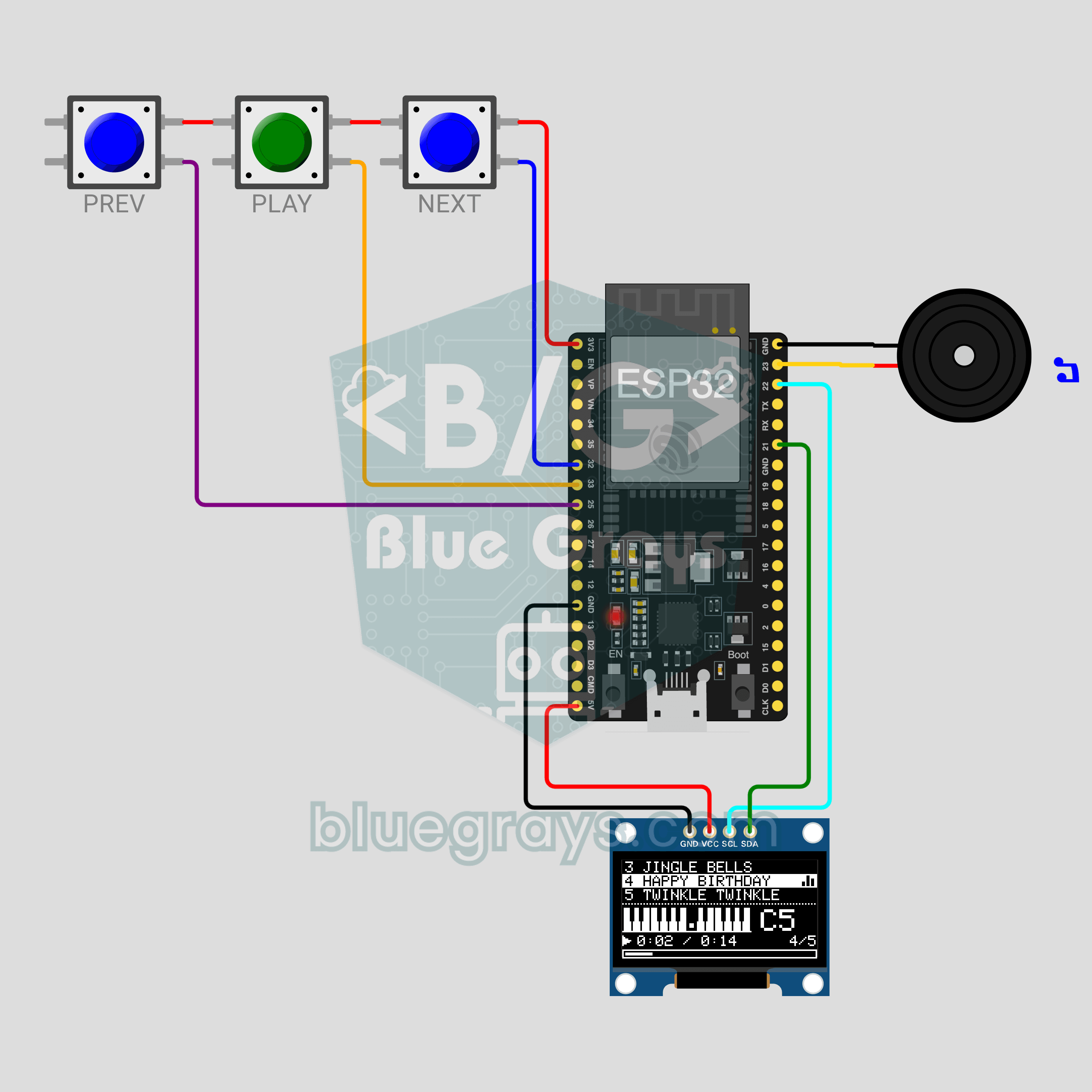
ESP32 Mini Music Box (OLED Display + 3 Buttons + Buzzer)
Three buttons, a buzzer and five classic tunes: a pocket music box built with an ESP32! The 0.96 inch OLED shows a playlist, and the previous, play/pause and next buttons move between Ode to Joy, Für Elise, Jingle Bells, Happy Birthday and Twinkle Twinkle. While a tune plays, the note name appears and its key lights up on a two-octave piano keyboard, with elapsed time and a progress bar. All tunes are public domain, played on a passive buzzer.
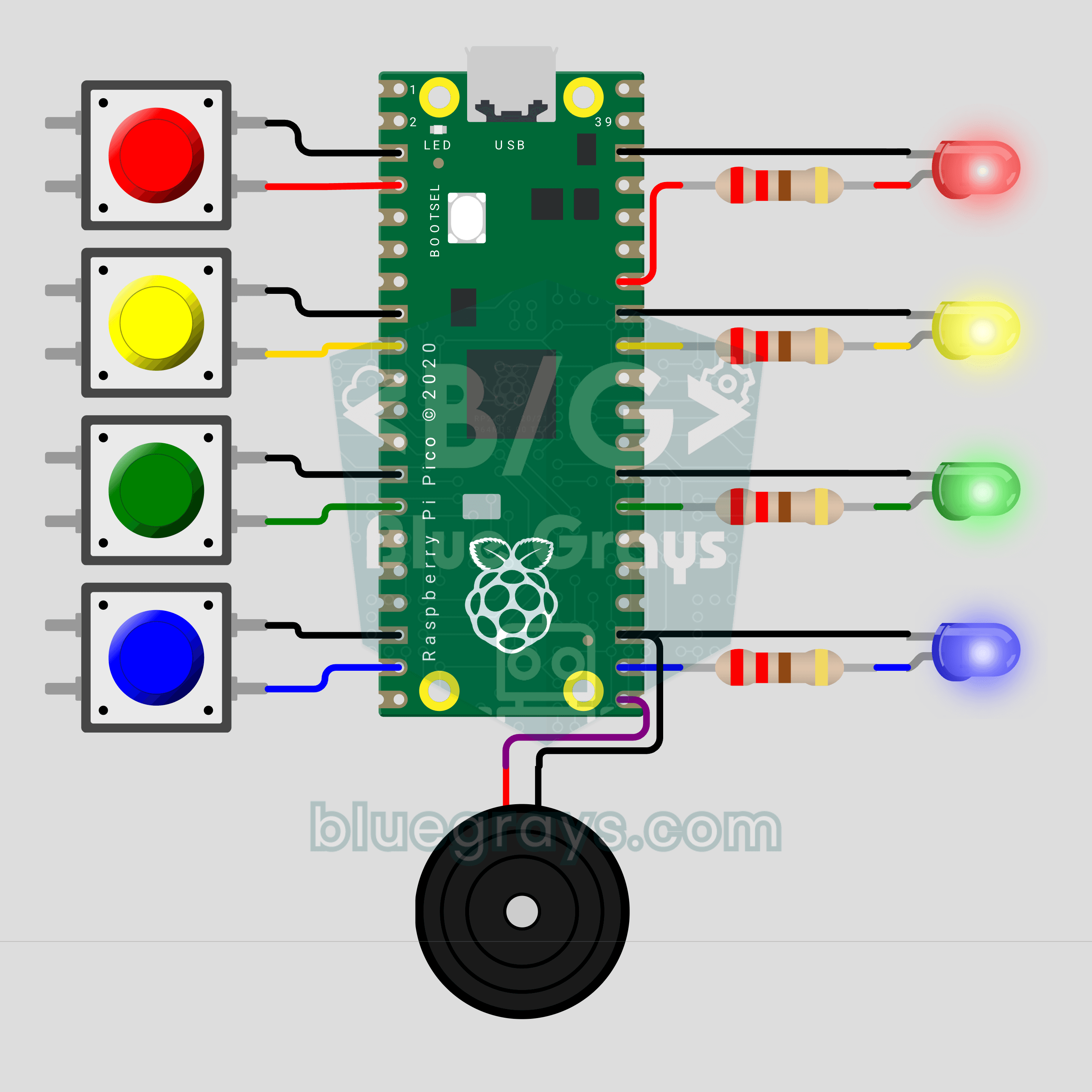
Raspberry Pi Pico Whack-a-Mole (4 LEDs + 4 Buttons + Buzzer)
Hit it when it lights up! The arcade classic Whack-a-Mole on your desk with a Raspberry Pi Pico. Four LEDs are four holes; a lit LED is a mole popping up, so press the button on the same row before the light goes out. Every 5 hits you level up and the moles stay up for less time. You get 3 misses, and a buzzer announces every hit, miss and new record.
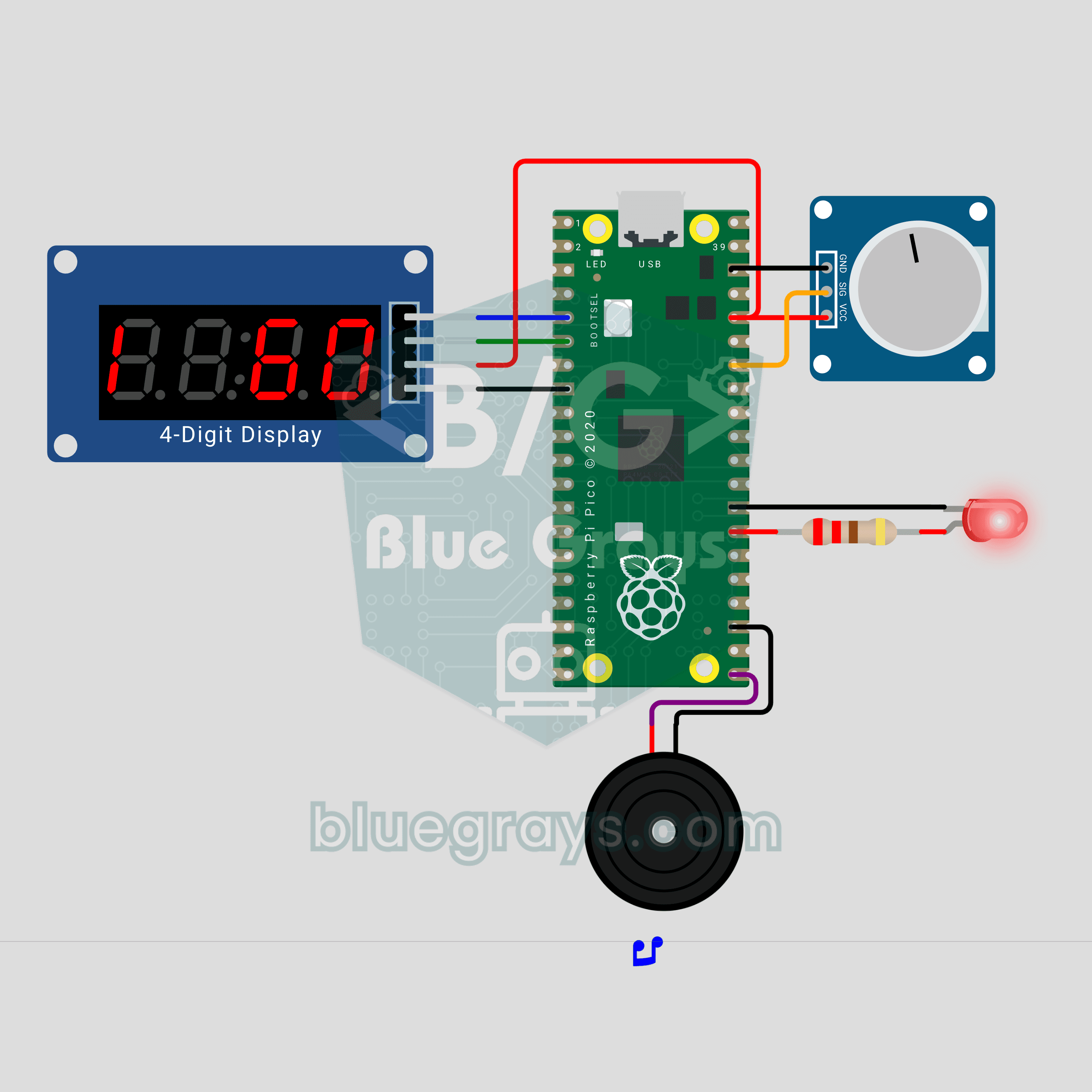
Raspberry Pi Pico Metronome (Potentiometer + TM1637 + Buzzer + LED)
Turn the knob and the tempo follows! We are building a 40-200 BPM metronome with a Raspberry Pi Pico. A potentiometer sets the tempo, and a TM1637 display shows the BPM plus a pendulum that swings on every beat. The buzzer plays a high click on the first beat of the bar and a lower one on the rest, while an LED flashes in time. After each change the display names the tempo: Largo, Adagio, Allegro and more.
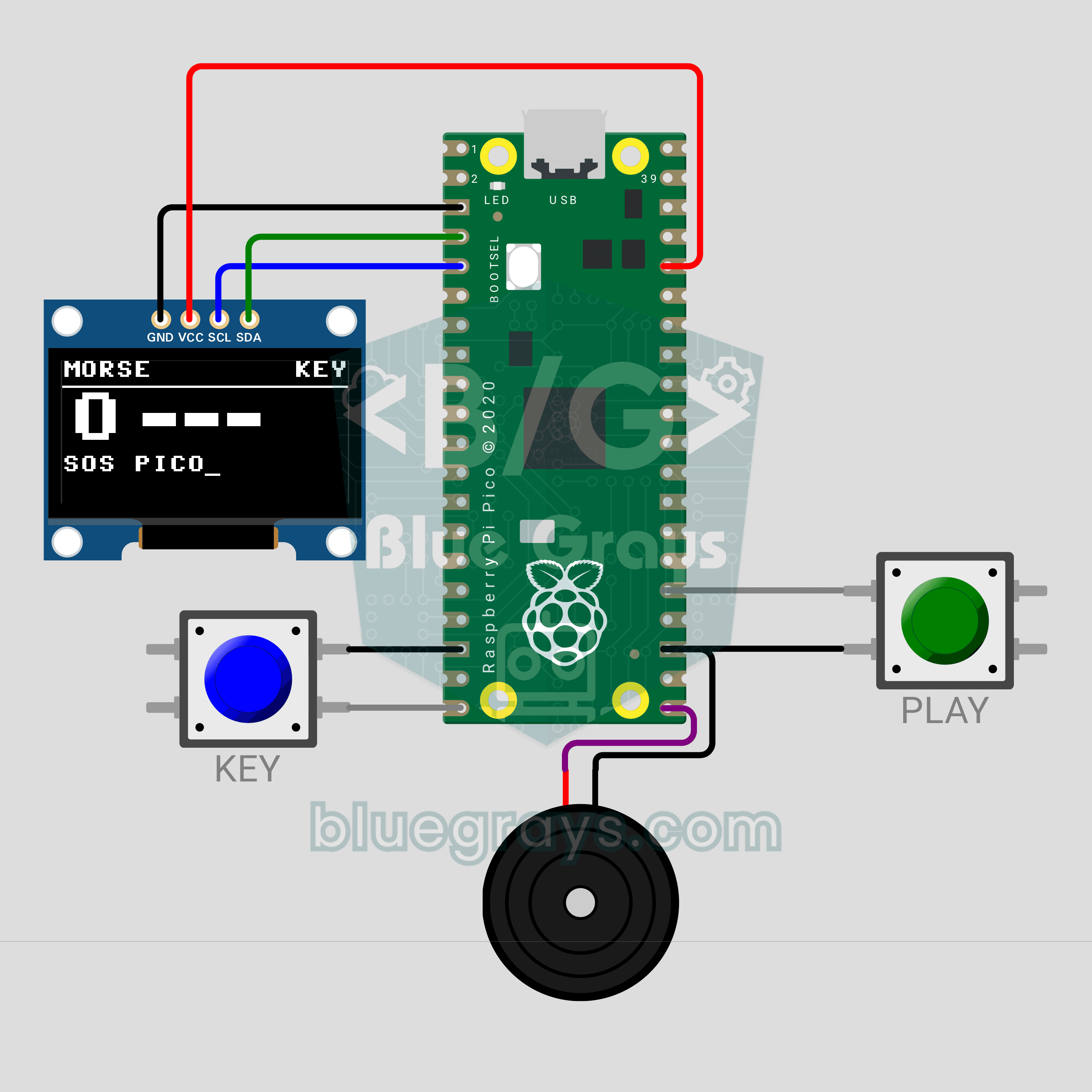
Raspberry Pi Pico Morse Code Translator (Button + OLED Display + Buzzer)
Tap the button and the Pico decodes your Morse! We are building a Morse code translator with a Raspberry Pi Pico that works like a telegraph key. A short press is a dot, a long press a dash; the buzzer beeps along and the OLED display shows each decoded letter in large type. A second button plays your text back in Morse, so you see both directions.
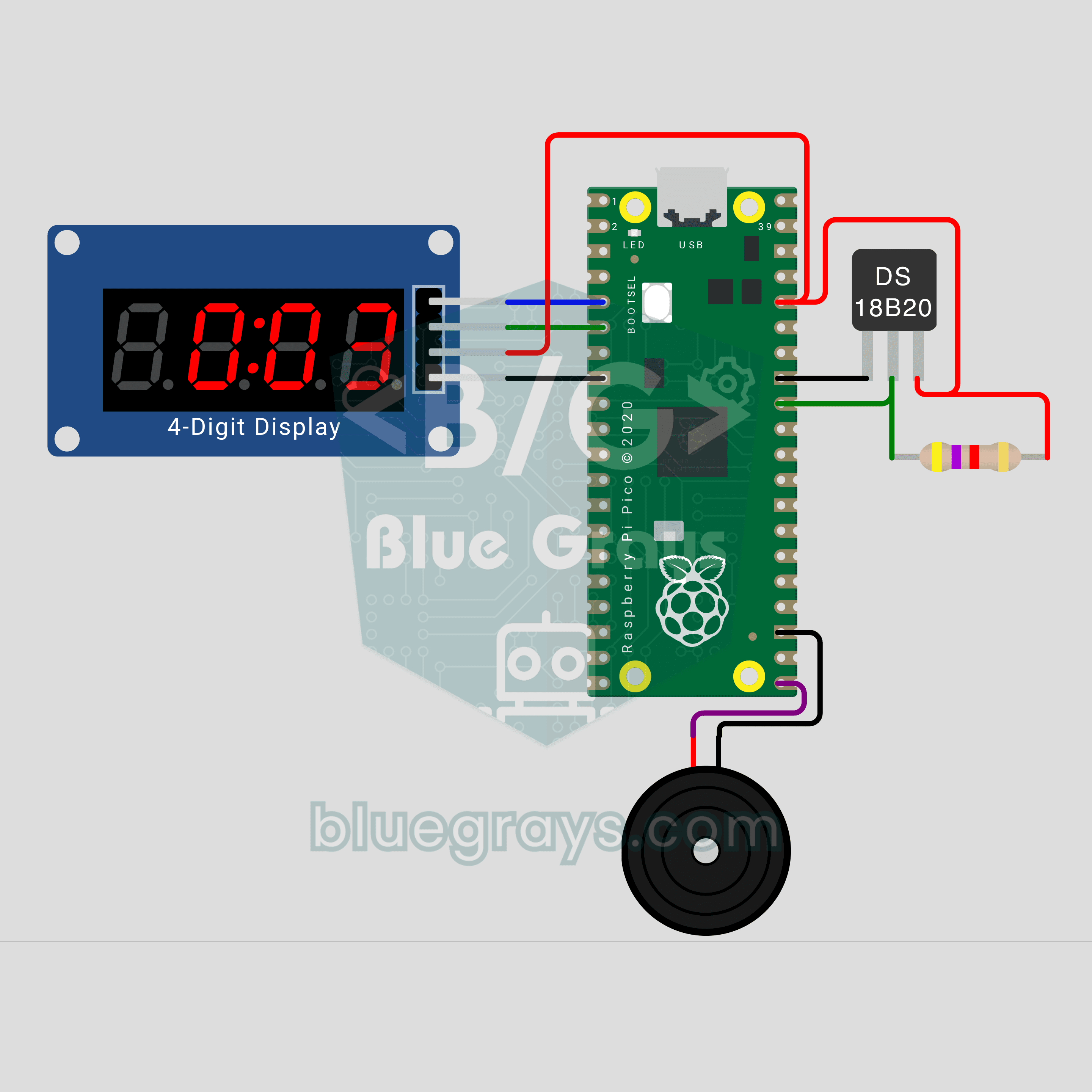
Raspberry Pi Pico Tea Thermometer (DS18B20 + TM1637 + Buzzer)
Let the Pico tell you when your tea is ready to drink! We are building a thermometer with a Raspberry Pi Pico that measures the tea in your glass. A waterproof DS18B20 probe goes into the tea, and a TM1637 display shows the temperature and the time left until it is drinkable. At 65 degrees the buzzer plays a tune, and it warns you if the tea gets cold.
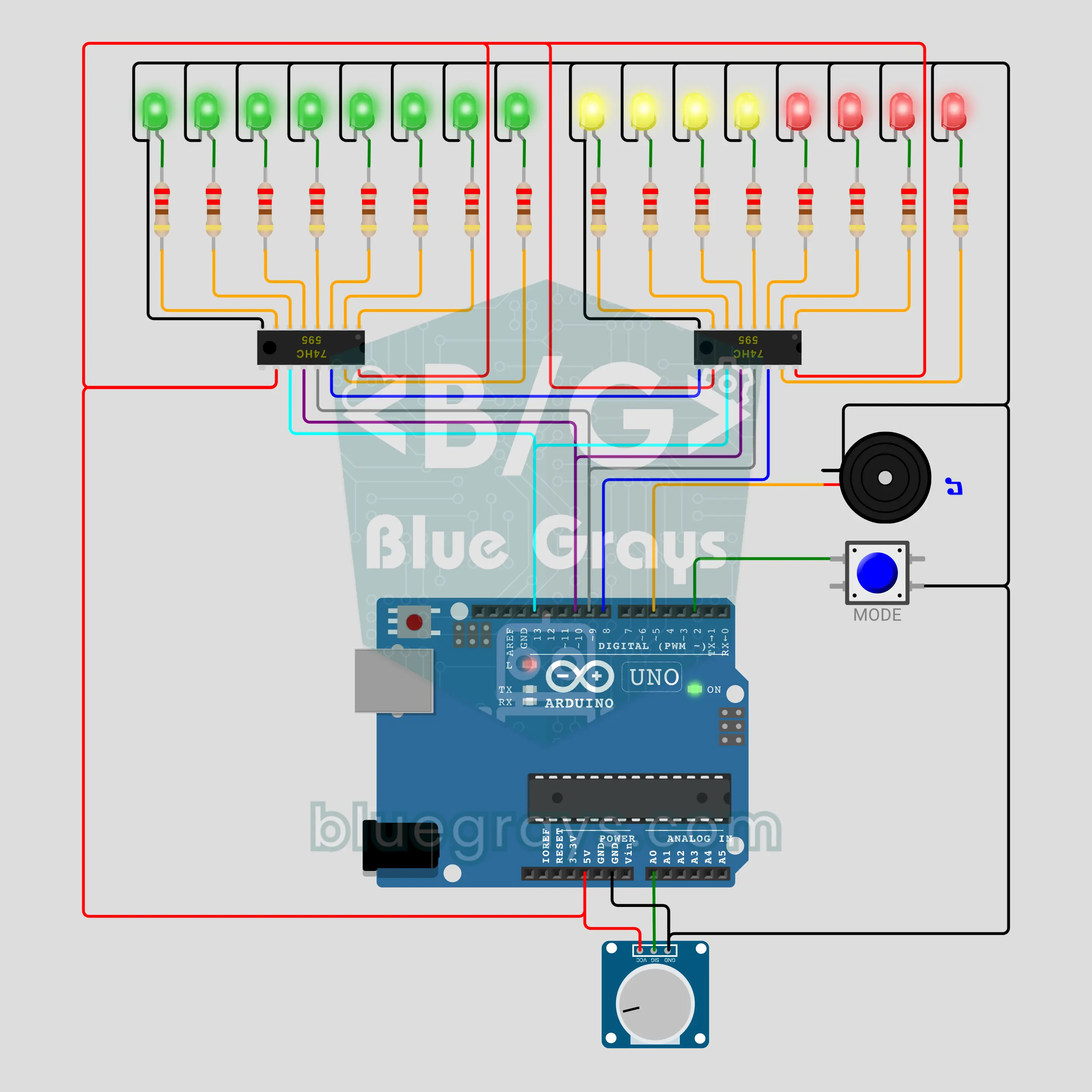
Arduino 16 LED Light Show (2x 74HC595 Shift Register + Buzzer)
Out of Arduino pins? Here is the fix: two chained 74HC595 shift registers drive 16 LEDs from just 4 pins. There are 6 light modes: burst, scanner, binary counter, stars, stacking bar and an equalizer that bounces to a melody. The potentiometer sets the speed, the button changes the mode and a passive buzzer gives every mode its own sound. You learn serial-to-parallel output, chaining and the latch idea through a light show.
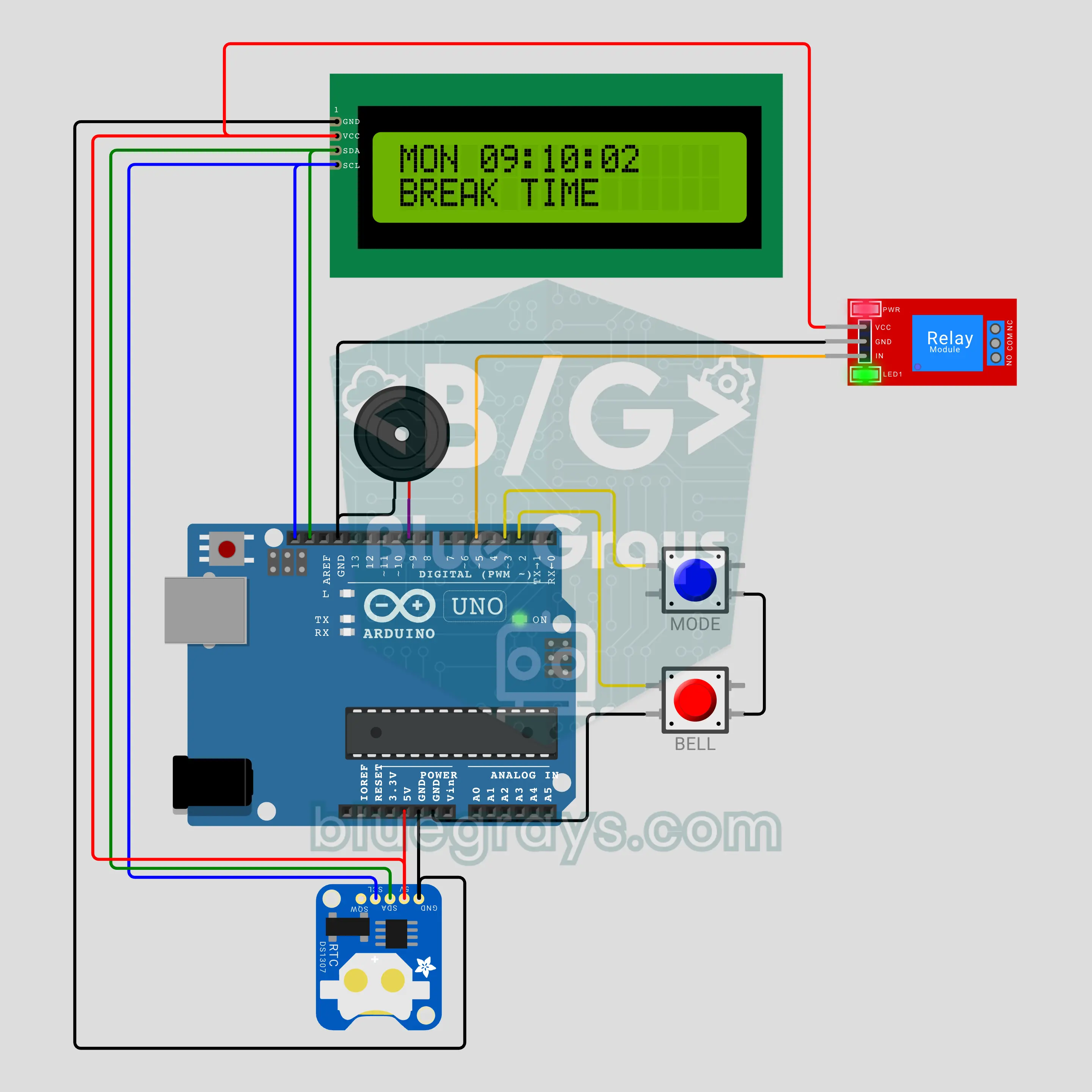
Arduino Automatic School Bell (DS1307 + I2C LCD + Relay)
Now the Arduino rings the school bell! A DS1307 keeps the time, and the lesson, break, lunch and home-time bells ring on their own from a schedule table. A relay drives the real bell, a buzzer plays a different tune for each bell type and an I2C LCD counts down to the next bell. It also has exam and holiday modes, a manual bell, clock setting with two buttons and the Turkish National Anthem for the Monday and Friday ceremonies.