
Teroka Projek Arduino
Ratusan projek dari pemula hingga mahir: gambar rajah litar, kod dan video. Mulakan di tahap mana pun kamu berada.
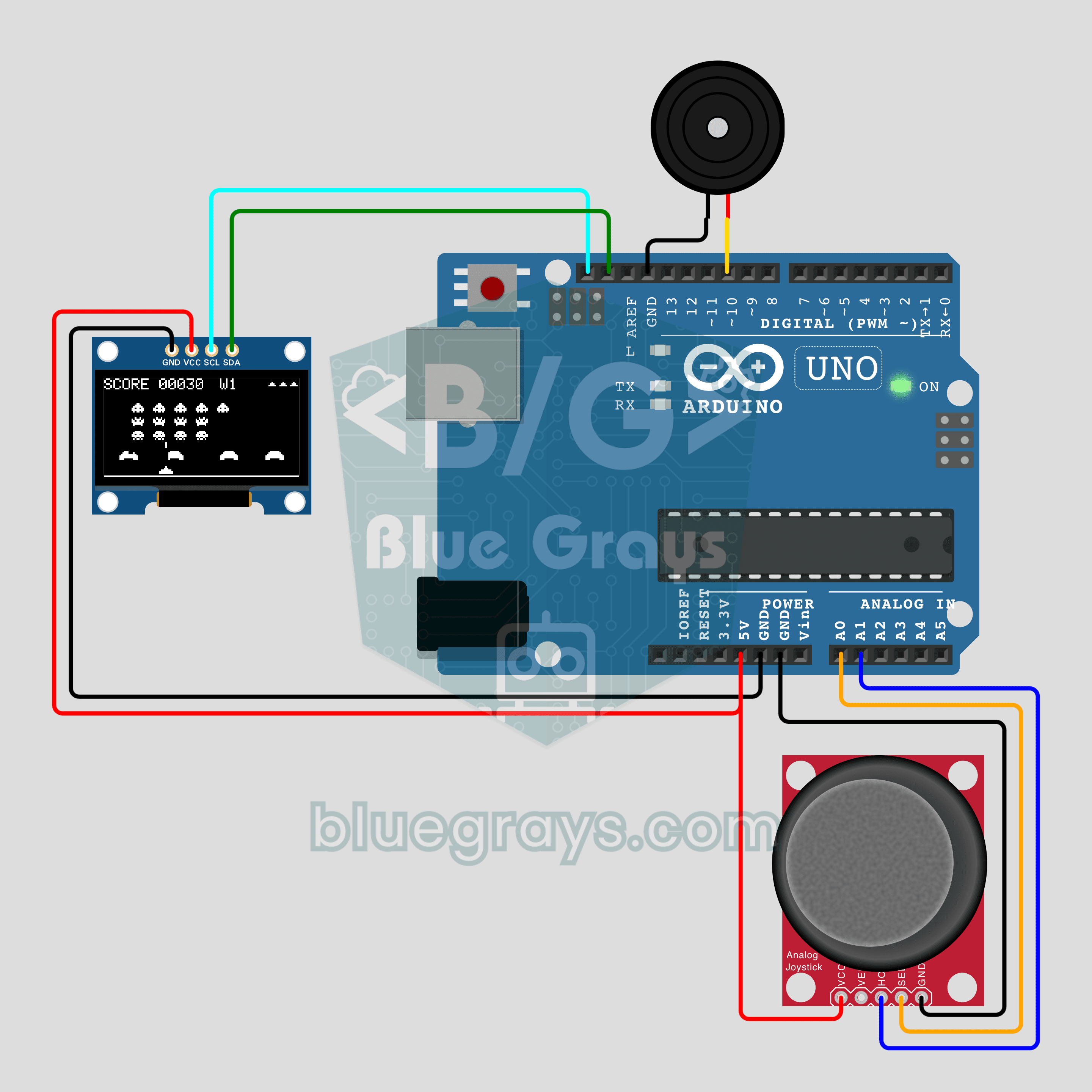
Arduino Alien Attack (0.96 inch OLED + Joystick + Buzzer)
The 1978 legend on a 0.96 inch screen! On a 128x64 OLED, an army of 15 aliens marches, steps down at every edge and speeds up as it thins out. The joystick steers the ship like a wheel and its button fires; there are 4 shields, a bonus UFO and waves that keep getting harder. A passive buzzer plays the classic march and the effects, and the best score is kept in EEPROM.
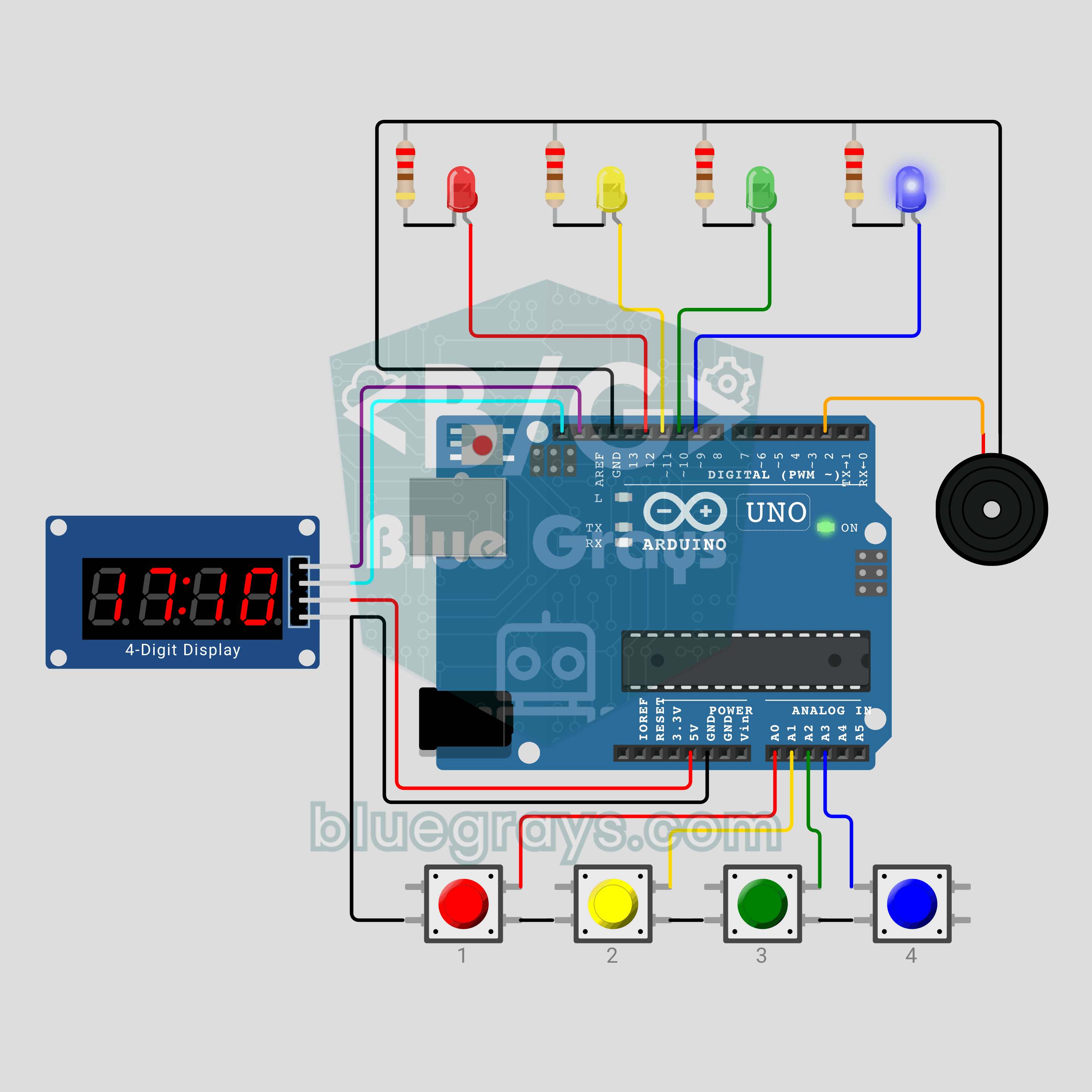
Arduino Whack-a-Mole Game (4 LEDs + 4 Buttons + TM1637 Display)
Hit it the moment it lights up! The arcade classic whack-a-mole on your desk: one of 4 LEDs lights up at random, and if you press the button of the same colour before it goes out, you score. Every 5 hits is a new level and the moles stay up for less time. A wrong button costs 1 point and 3 seconds. Time and score show on the TM1637, the record lives in EEPROM, and a passive buzzer gives each hole its own sound.
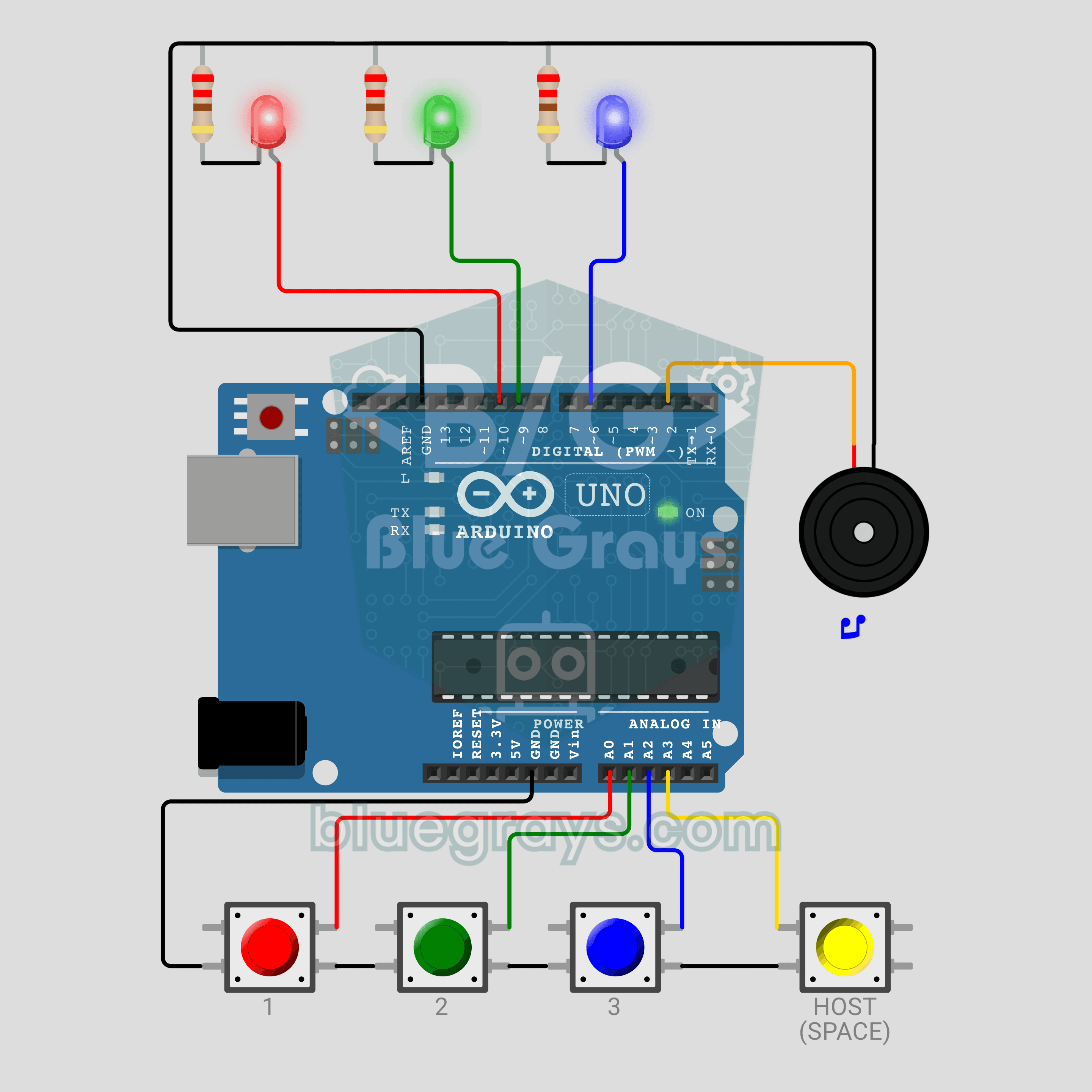
Arduino Quiz Buzzer for 3 Players (4 Buttons + 3 LEDs + Buzzer)
Who buzzed first? The Arduino decides down to the millisecond! The first to buzz answers system from TV quiz shows, for 3 players and a host button. The fastest player's LED lights up bright with its own sound, and the other buttons lock. Buzzing before the host says ready is a foul. Hold the host button for 1 s and the scoreboard plays on the LEDs. Ready for real use in class or at home.
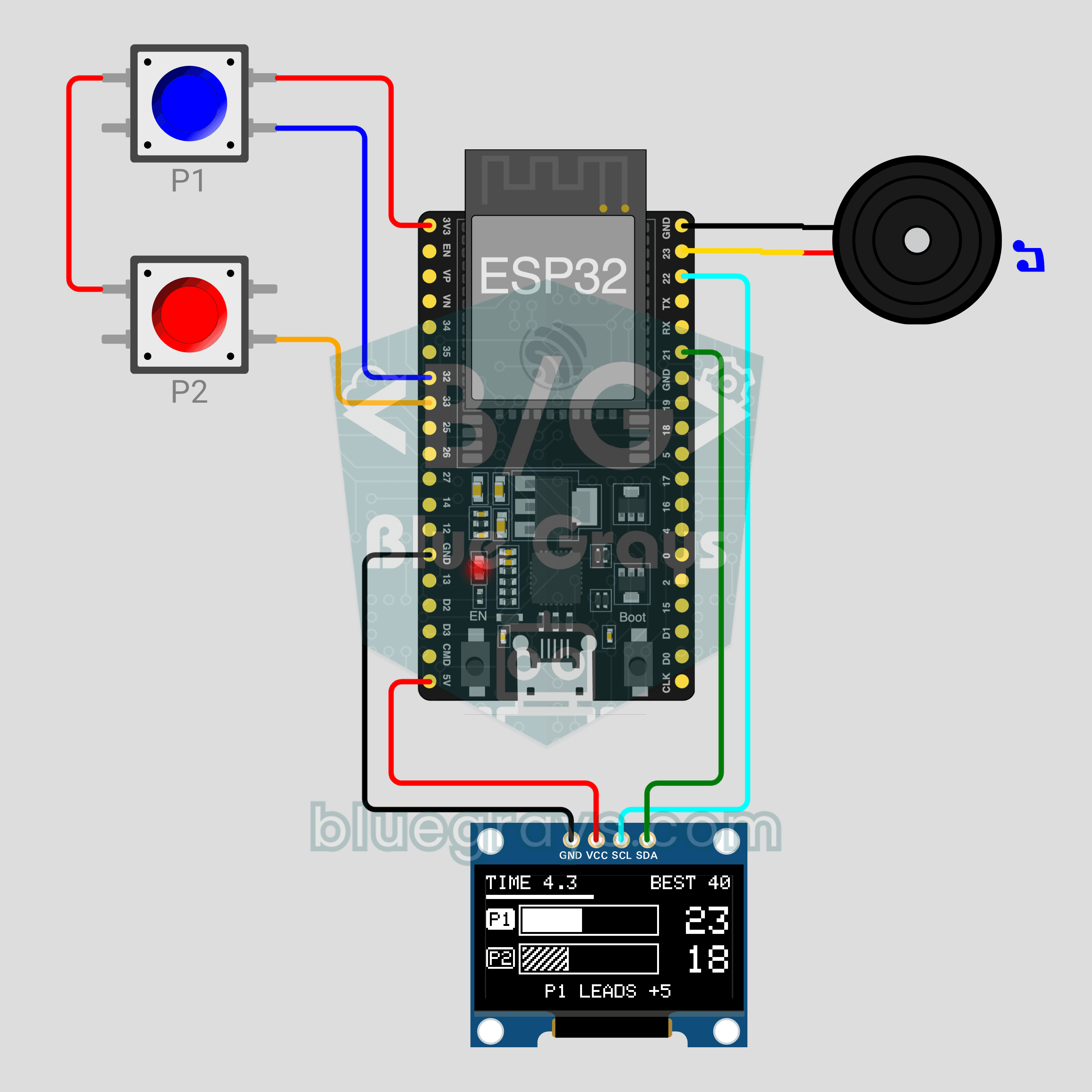
ESP32 Two-Player Click Race (OLED Display + 2 Buttons + Buzzer)
Challenge a friend to a 10-second click race! Both players press their button to get ready, then after a 3-2-1 countdown everyone mashes as fast as they can. The ESP32 races two bars side by side on a 0.96 inch OLED, with the time left, both scores and the leader shown live. When time is up you see the winner and clicks per second, and the best score is saved with Preferences. A passive buzzer plays a click tone for each player, a whistle and a fanfare.
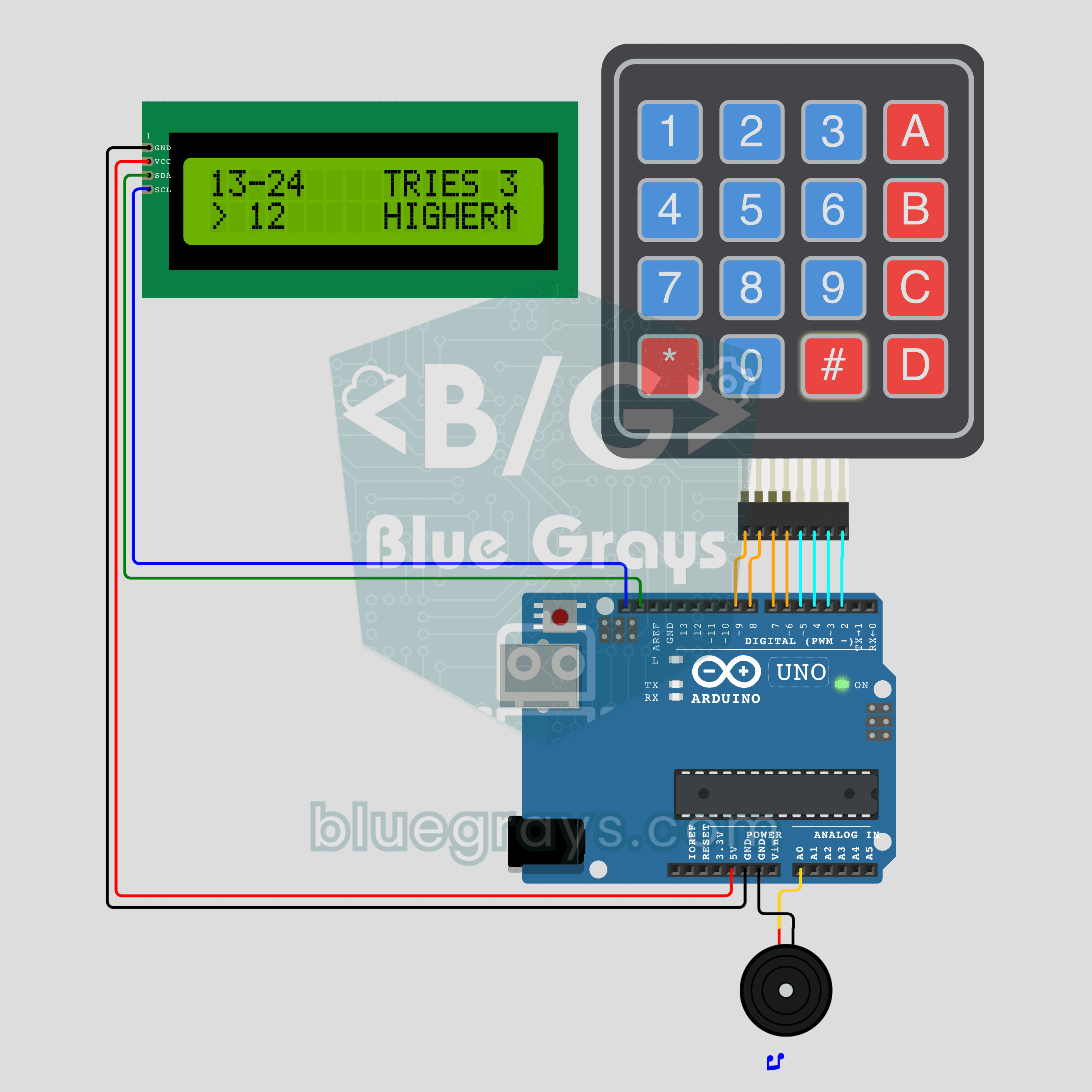
Arduino Number Guessing Game (4x4 Keypad + I2C LCD + Buzzer)
I'm thinking of a number from 1 to 100. Can you find it in 7 guesses or fewer? The Arduino picks a secret number, you type your guess on a 4x4 keypad and send it with #. The I2C LCD says HIGHER or LOWER and shows the range left and your tries, while a passive buzzer gives each hint its own sound. The fewest-tries record is kept in EEPROM. A fun first game that uses a keypad and an LCD together.
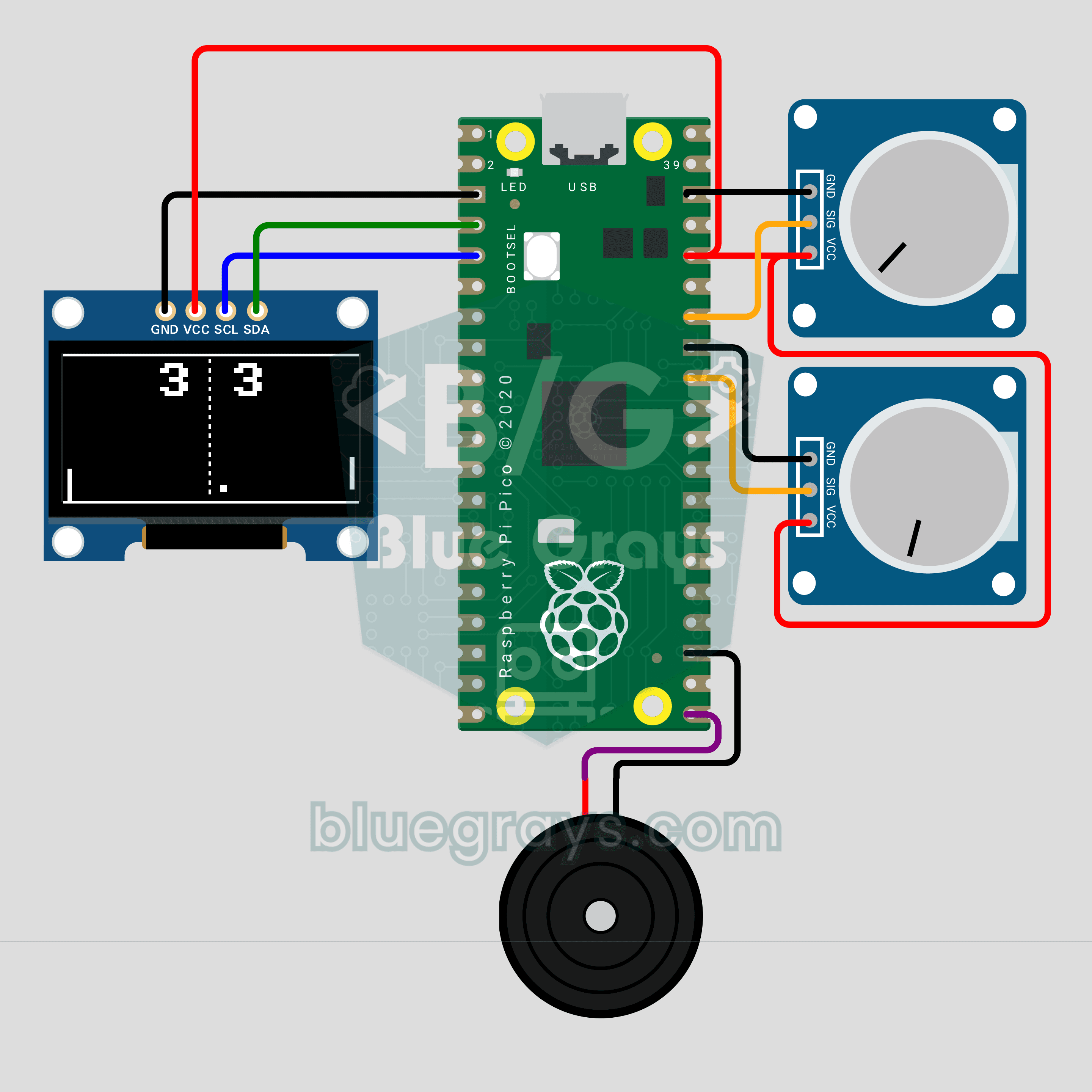
Raspberry Pi Pico Paddle Ball Game (OLED Display + 2 Potentiometers + Buzzer)
The classic paddle ball game, now on a 0.96 inch OLED for two players! Each player turns their own potentiometer to move a paddle. The ball speeds up on every hit and bounces off at an angle set by where it lands on the paddle; first to 5 points wins. A buzzer plays the wall, paddle and point sounds. Analog input, integer physics and partial screen updates in one game on the Raspberry Pi Pico.
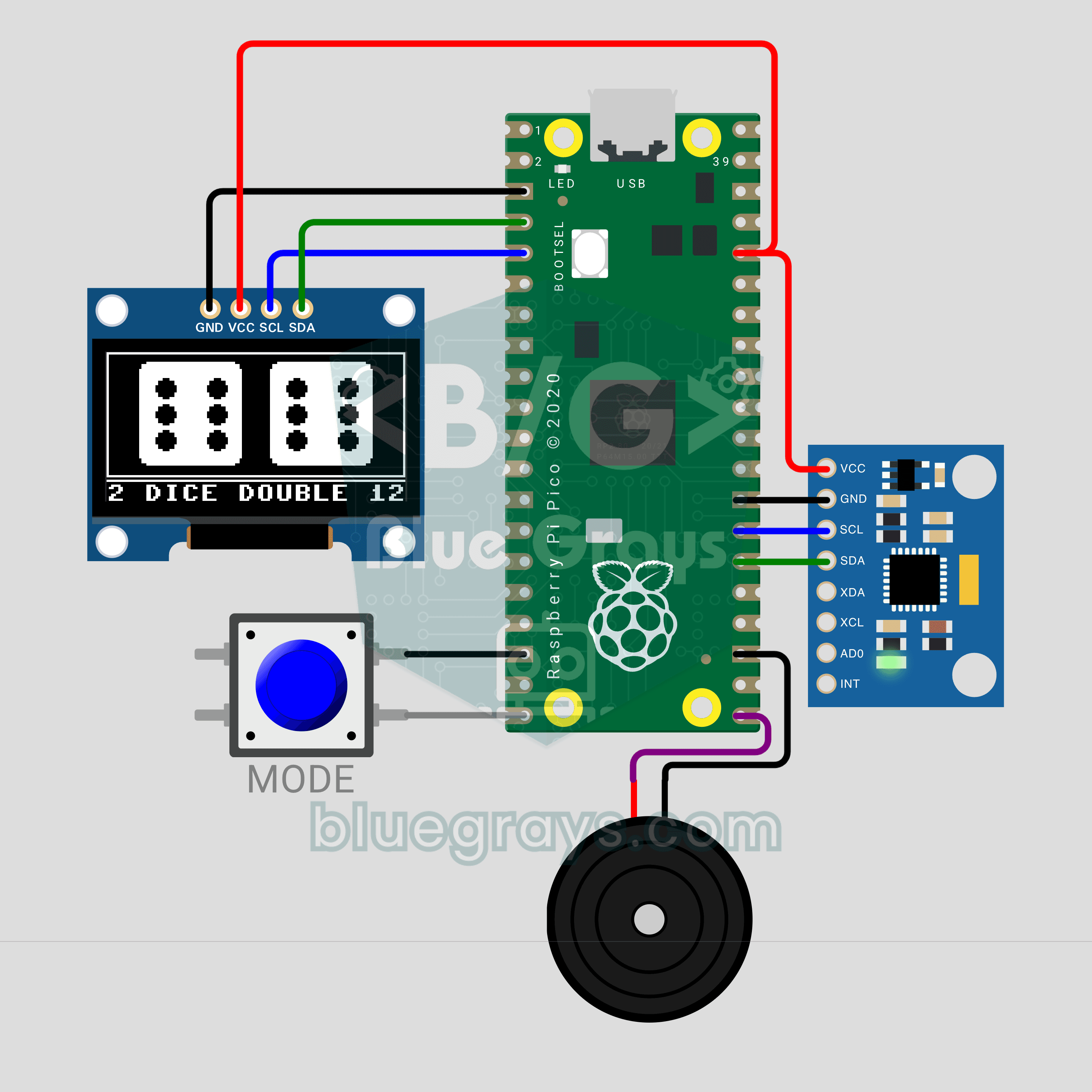
Raspberry Pi Pico Shake Dice (MPU-6050 + OLED Display + Buzzer)
Lost your dice? No problem: shake the circuit and the die rolls on a 0.96 inch OLED! An MPU-6050 accelerometer senses the shake, the die wobbles and spins, and once you stop it slows down and lands on a face. The MODE button switches between one die and two; roll a double and the screen flashes while the buzzer plays a celebration tune. The Raspberry Pi Pico reads the sensor straight over I2C, no library needed.
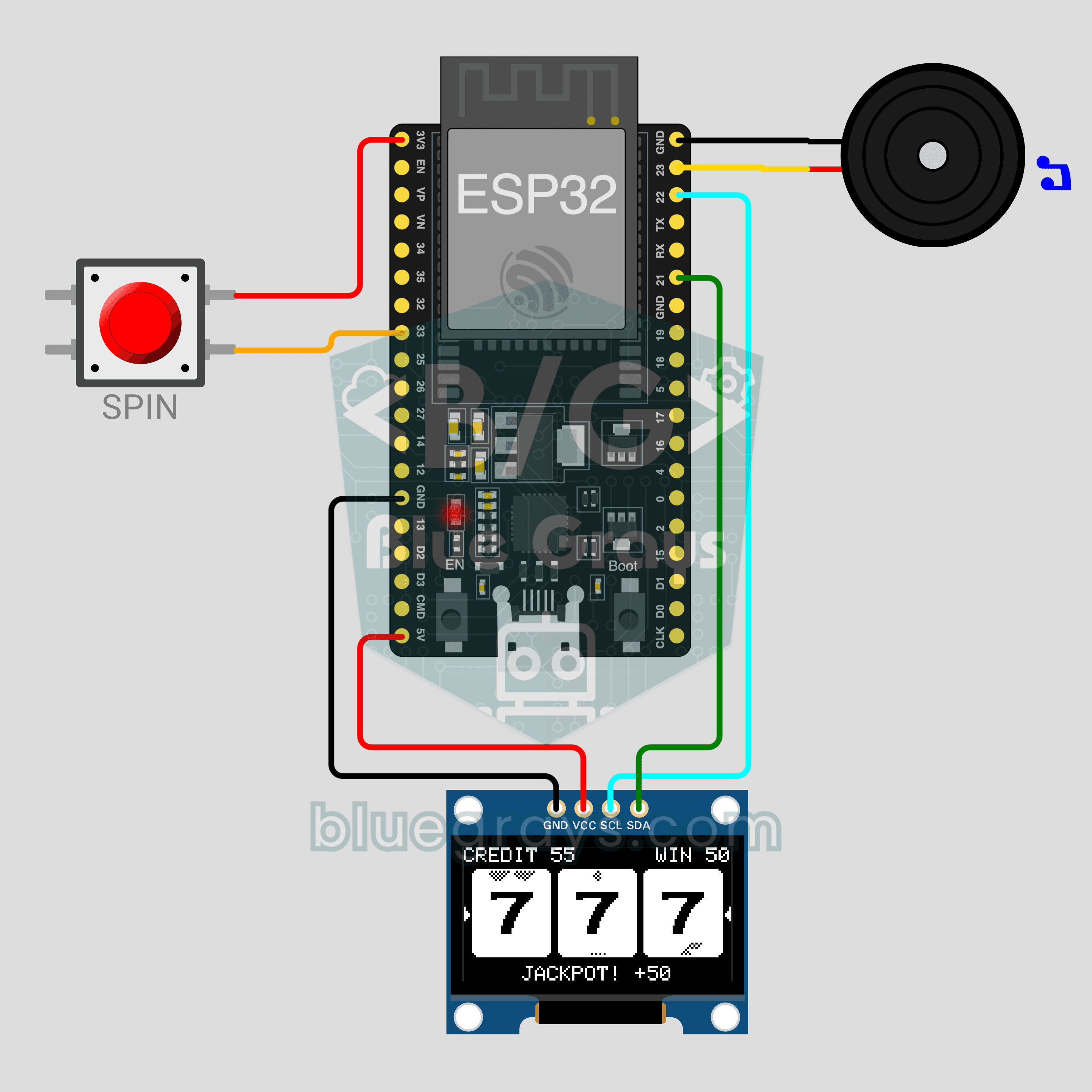
ESP32 Slot Machine Game (OLED Display + Button + Buzzer)
Pull the lever and watch the reels spin! This ESP32 project spins three reels of cherry, bell, BAR and 7 icons on a 0.96 inch OLED with a realistic slow-down, all from one button. The credits are purely virtual, with no real money involved: the goal is to learn the probability and random numbers behind games of chance. If the first two reels match, the third spins longer for suspense, 7-7-7 plays a JACKPOT tune, and Preferences keeps the credits.
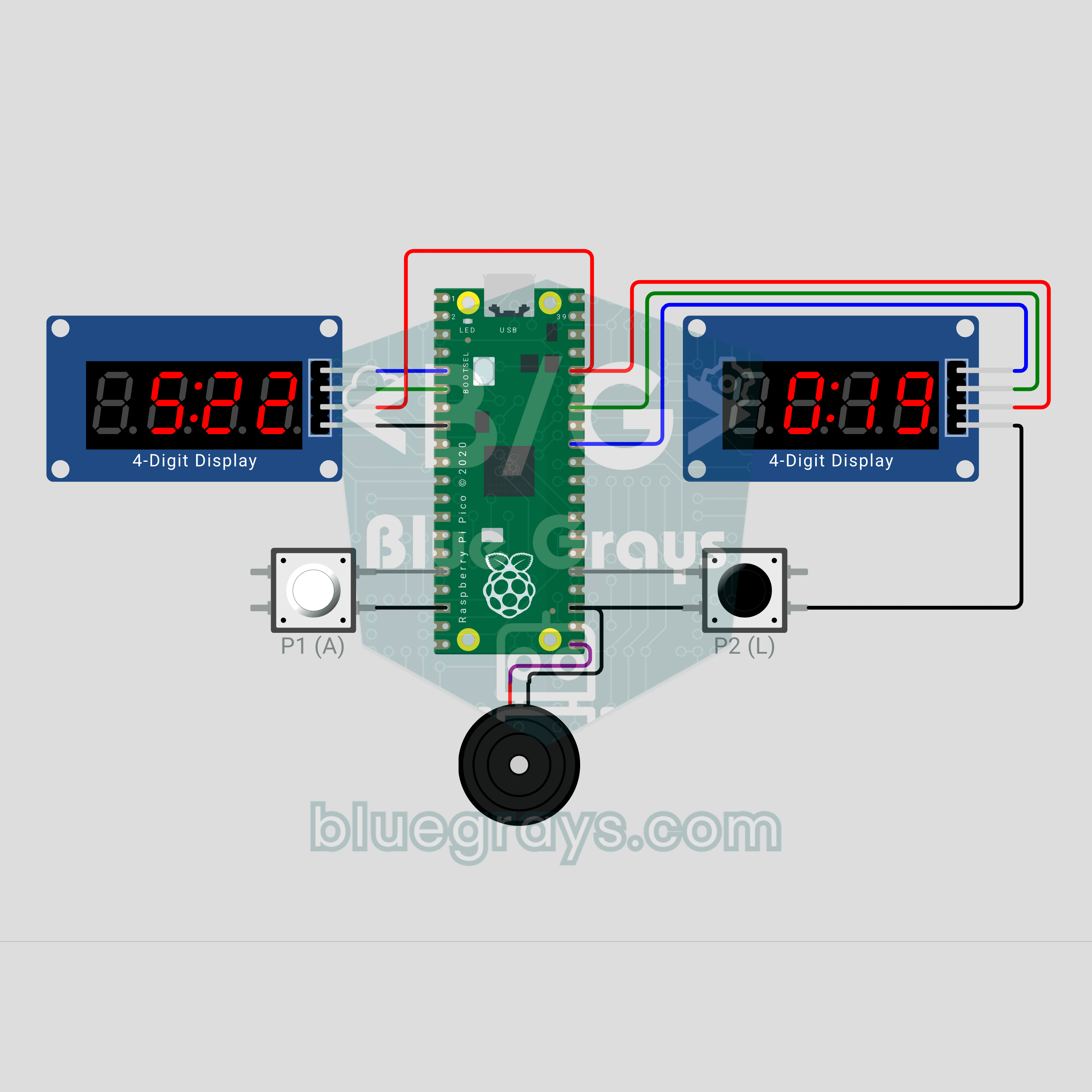
Raspberry Pi Pico Chess Clock (2 TM1637 Displays + 2 Buttons + Buzzer)
Make your move, hit the button, and the clock switches sides! A two-player chess clock with a Raspberry Pi Pico: each player's time runs down on their own TM1637 display and the mover gets an increment. The last 10 seconds show hundredths, a flagged side blinks FLAG and the buzzer sounds an alarm. Press both buttons together to pause. The TM1637 driver lives in the code, no library needed.
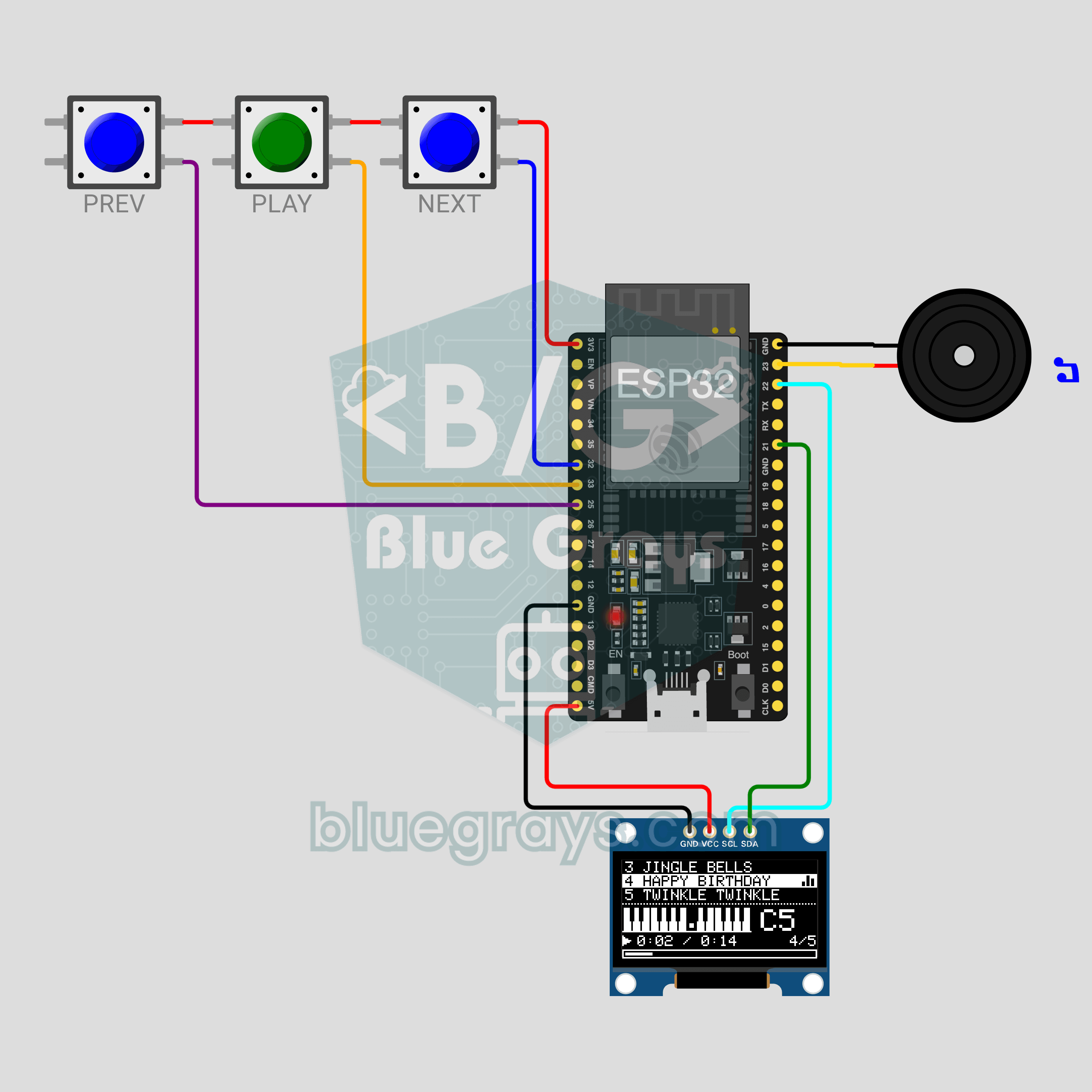
ESP32 Mini Music Box (OLED Display + 3 Buttons + Buzzer)
Three buttons, a buzzer and five classic tunes: a pocket music box built with an ESP32! The 0.96 inch OLED shows a playlist, and the previous, play/pause and next buttons move between Ode to Joy, Für Elise, Jingle Bells, Happy Birthday and Twinkle Twinkle. While a tune plays, the note name appears and its key lights up on a two-octave piano keyboard, with elapsed time and a progress bar. All tunes are public domain, played on a passive buzzer.
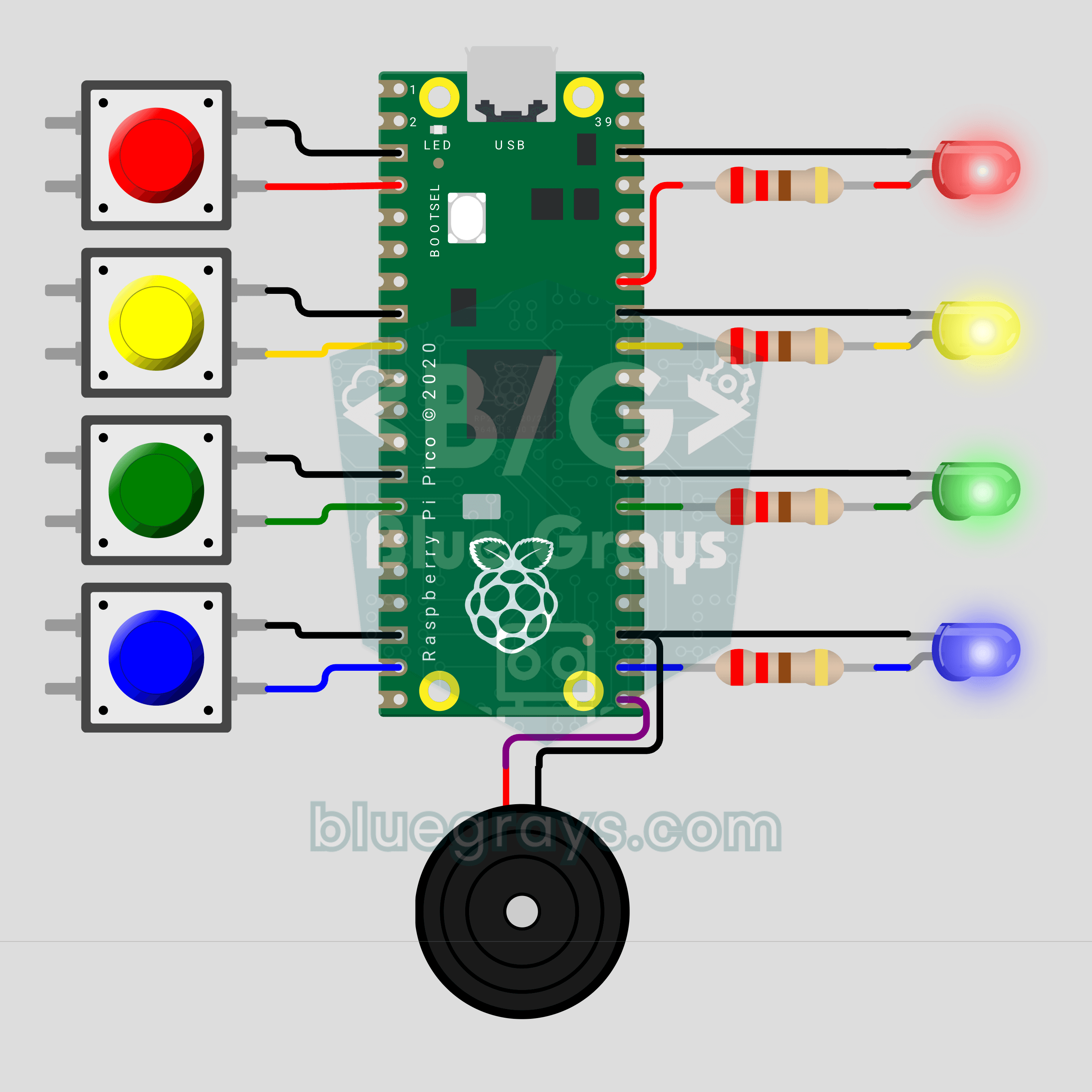
Raspberry Pi Pico Whack-a-Mole (4 LEDs + 4 Buttons + Buzzer)
Hit it when it lights up! The arcade classic Whack-a-Mole on your desk with a Raspberry Pi Pico. Four LEDs are four holes; a lit LED is a mole popping up, so press the button on the same row before the light goes out. Every 5 hits you level up and the moles stay up for less time. You get 3 misses, and a buzzer announces every hit, miss and new record.
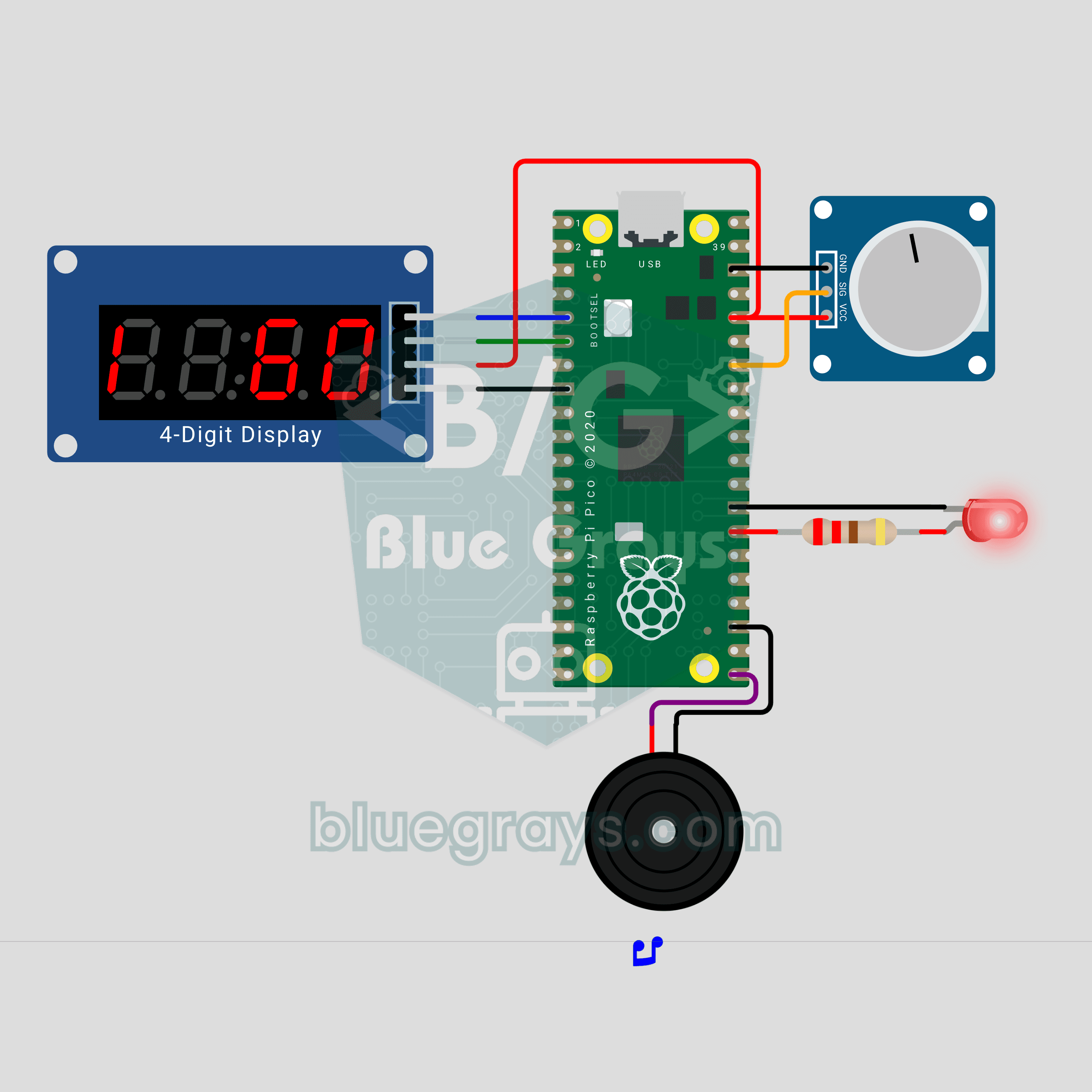
Raspberry Pi Pico Metronome (Potentiometer + TM1637 + Buzzer + LED)
Turn the knob and the tempo follows! We are building a 40-200 BPM metronome with a Raspberry Pi Pico. A potentiometer sets the tempo, and a TM1637 display shows the BPM plus a pendulum that swings on every beat. The buzzer plays a high click on the first beat of the bar and a lower one on the rest, while an LED flashes in time. After each change the display names the tempo: Largo, Adagio, Allegro and more.