
Arduino loyihalarini kashf qil
Boshlang‘ichdan yuqori darajagacha, sxemali, kodli va videoli yuzlab loyihalar. Qaysi darajada bo‘lsang, o‘sha yerdan boshla.
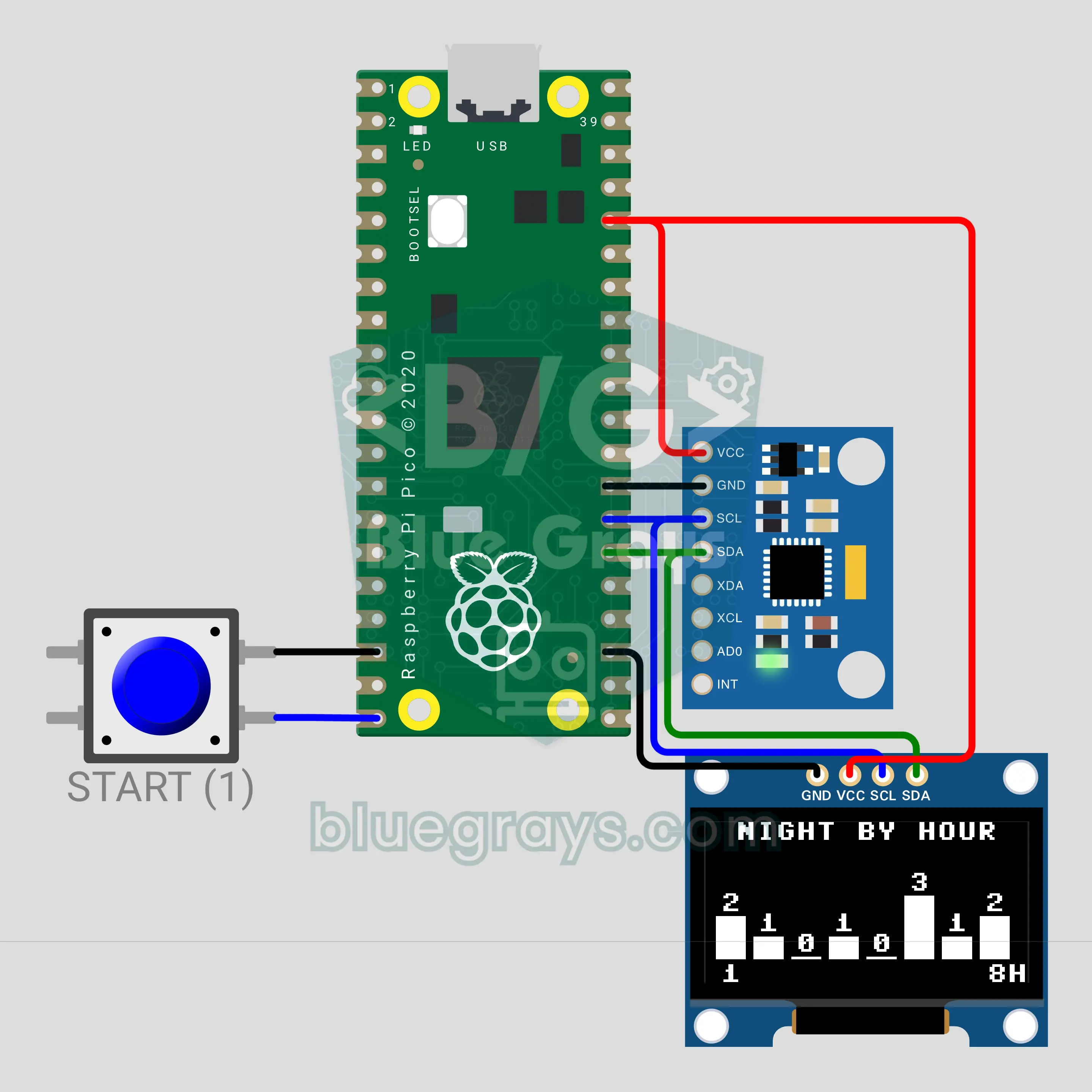
Pico Sleep Tracker: How Many Times Did You Turn Last Night? (MPU-6050 + OLED)
An MPU-6050 under your pillow watches the pillow's tilt all night. If the sensor shakes and comes back to the same posture it counts a move; if it settles at a new tilt it counts a turn. Events are logged hour by hour, and in the morning the OLED screen shows an hourly bar chart of the night and a sleep score from 0 to 100. One button starts the night, flips the report pages and ends the night when you hold it. The screen switches itself off while you sleep.
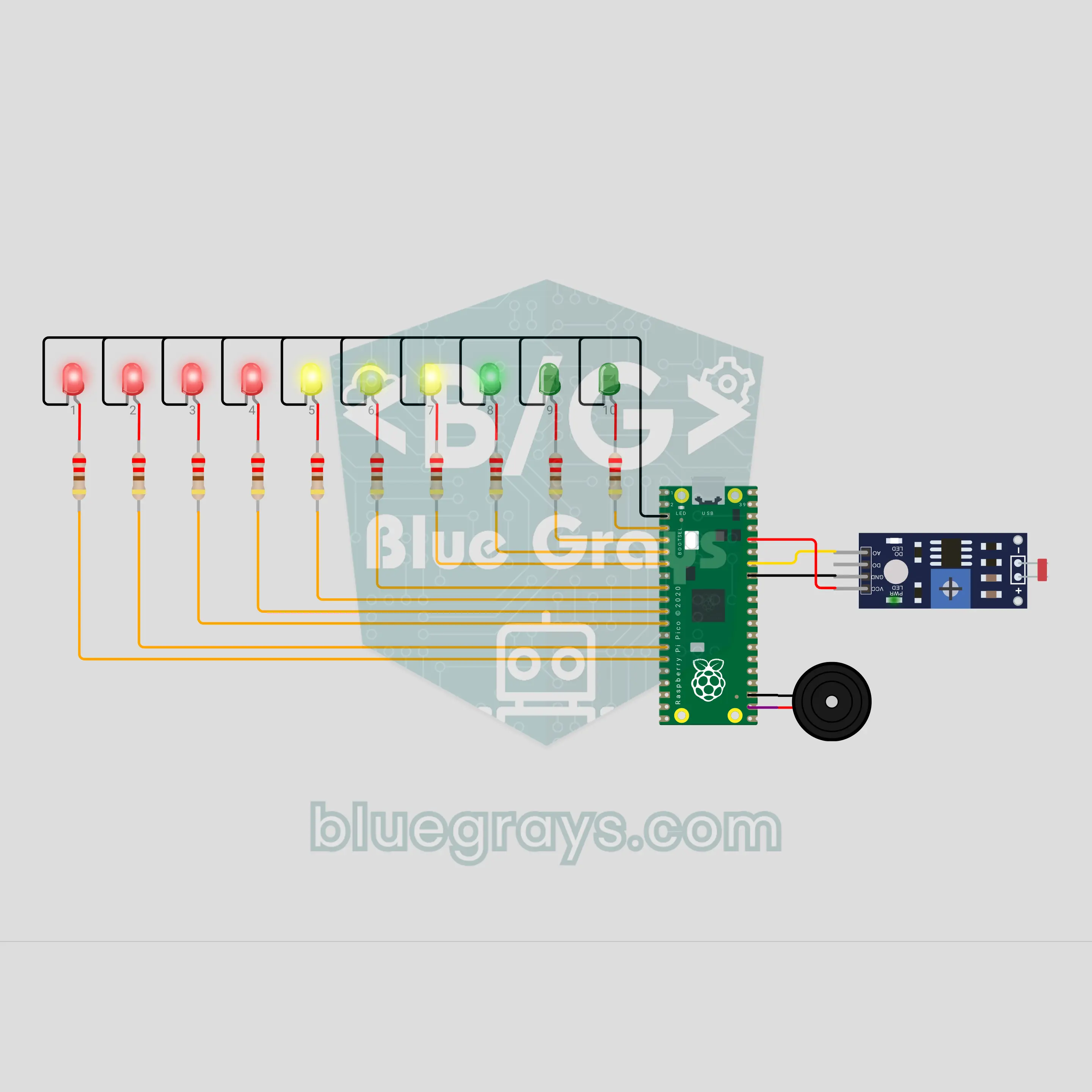
Pico Phone Jail Box: Put Your Phone Away While You Study (LDR + 10 LEDs)
Drop your phone in the box and let the circuit do the rest. The LDR on the floor of the box goes dark when the phone lies on it, and the count starts: one LED lights every 6 minutes, and 10 LEDs mark a full hour of study. Take the phone early and warning ticks start; if it is not back within 5 seconds, the "jail broken" sound plays and the count resets. Finish the hour and a light wave and a victory tune are waiting. One number in the code changes the time.
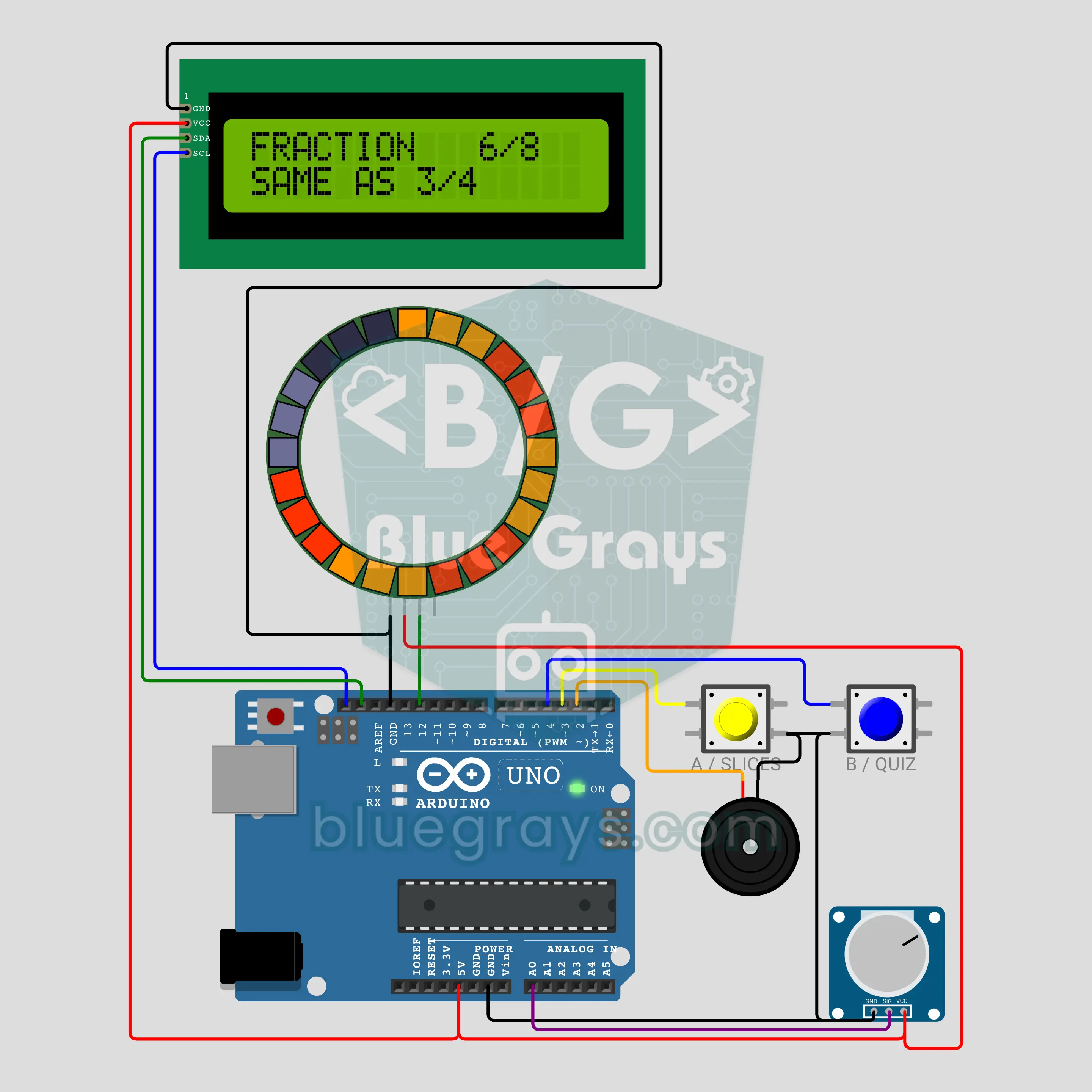
Pizza Fractions: Learn Fractions on a Ring (Arduino + 24-LED Ring + Pot + 2 Buttons + LCD)
The 24-LED ring becomes a pizza: button A cuts it into 2, 3, 4, 6, 8 or 12 slices and the potentiometer picks how many of them are filled. The LCD shows the fraction and its simplest form; you see on the ring that 6/8 and 3/4 are the same amount. Button B starts the quiz: two fractions light up in turn and you pick the bigger one; the ring turns green if you are right and red if not. Analog reading, driving an LED ring and comparing fractions are all in this project.
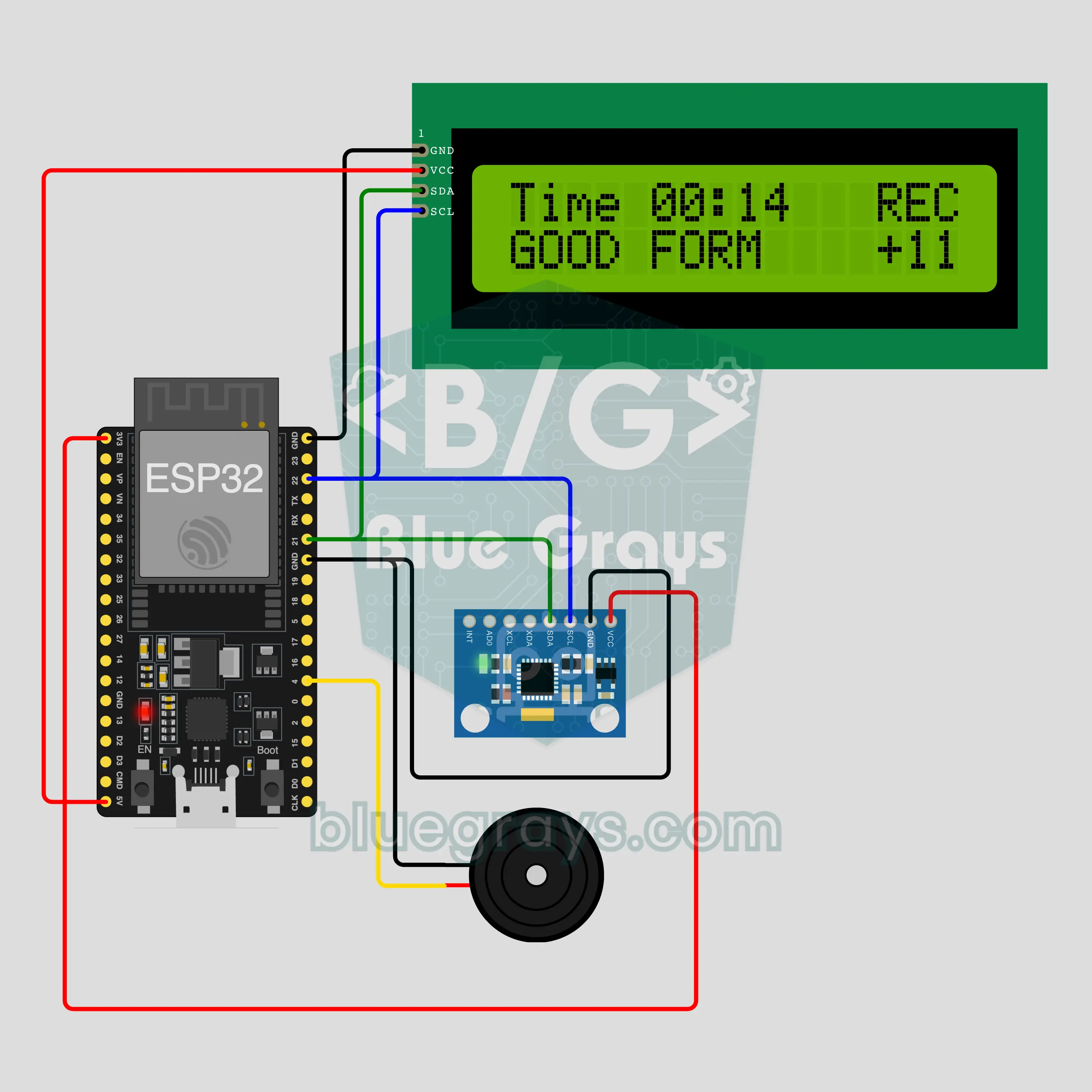
ESP32 Plank Coach: Beeps When Your Hips Drop (MPU-6050 + I2C LCD + Buzzer)
An MPU-6050 taped to your back watches the angle of your body while the ESP32 counts your plank time on the LCD. If your hips drop it warns with low beeps, if they rise with high beeps, and the time pauses right there; fix your form and it carries on. Fail to recover within 3 seconds and the plank ends with your time on the screen. Your best time is stored on the board as the record and survives unplugging. An honest training partner for a New Year fitness resolution.
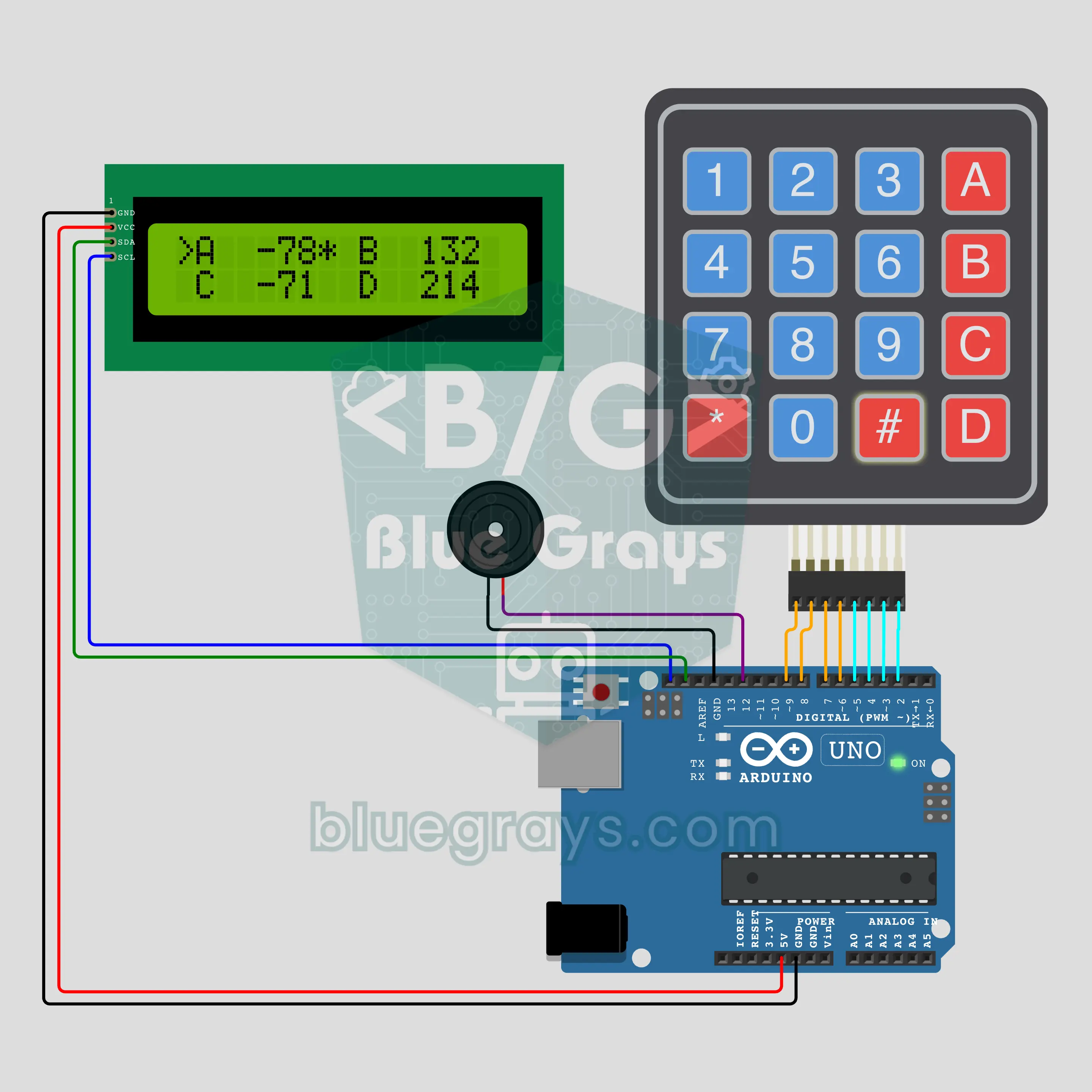
Okey Score Keeper: No More Pen and Paper (Arduino + 4x4 Keypad + I2C LCD + Buzzer)
At the okey table (the Turkish tile game from the rummy family) a keypad takes over from pen and paper: keys A, B, C, D pick the player, the digits type the hand points; # adds them, * takes them off. Pressed without a number, # writes a 101 penalty and * takes 101 off the player who finished the hand. The LCD shows all four totals at once with a star next to the leader; when the lead changes the buzzer plays a short tune. Keypad reading, tidy LCD layout, scores in an array.
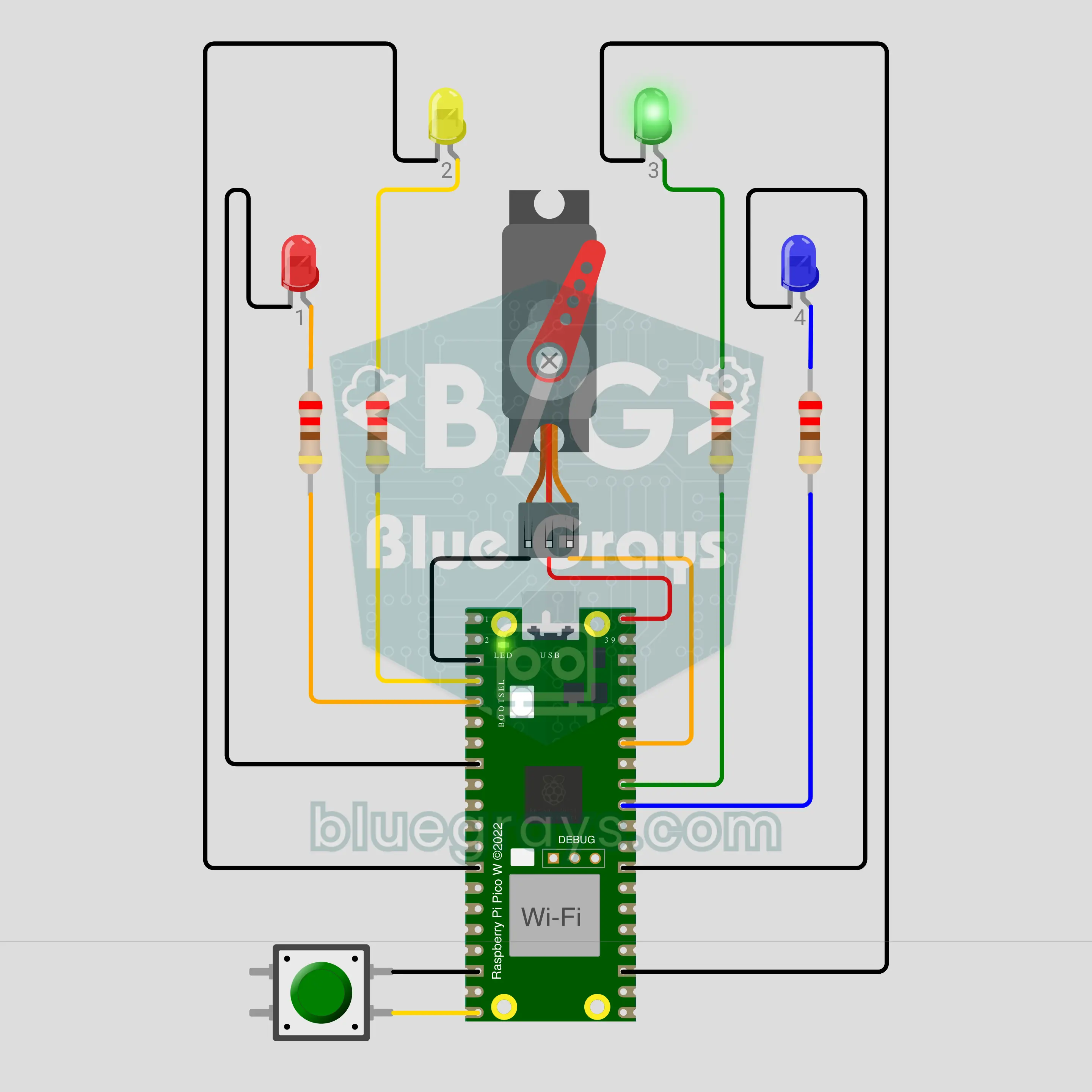
Pico W Chore Wheel: Whose Turn Is It to Do the Dishes? (Servo + NTP + ntfy)
A Raspberry Pi Pico W gets the time from the internet and passes the dish duty to the next person every midnight. A servo pointer shows today's name on the dial and that person's LED blinks. When the job is done, press the button briefly: the LED stays on, the pointer nods and a "done" notification goes to the phone. If nobody has pressed by 20:00, a reminder arrives. Hold the button for 1 second and the wheel spins to draw a name for an extra chore like the trash.
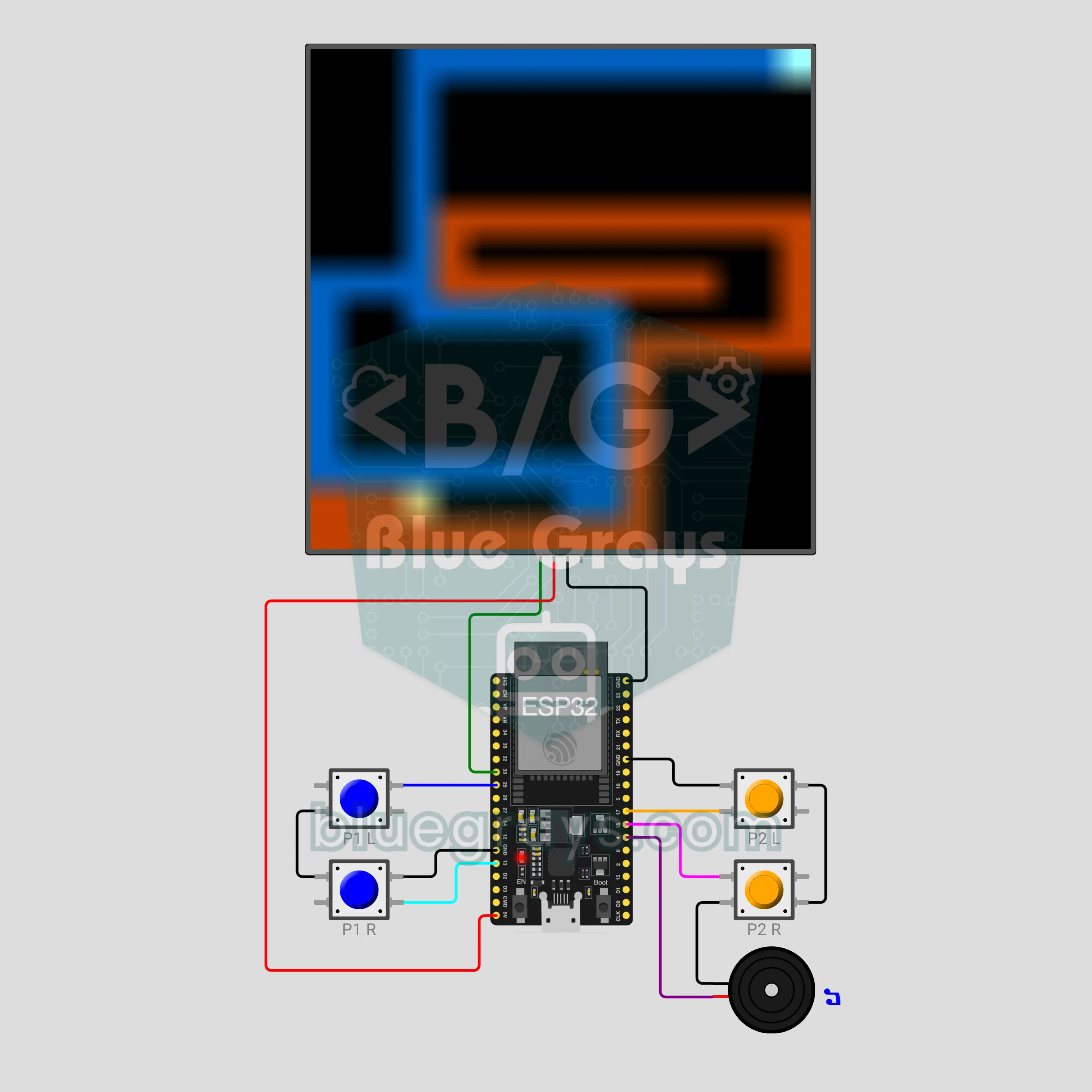
ESP32 Light Trail Duel: Two Player Retro Game (16x16 NeoPixel + 4 Buttons + Buzzer)
Two light bikes race across a 16x16 NeoPixel matrix without stopping and leave a glowing trail behind. Each player has two buttons: one turns the bike left, the other right. Hit a trail, the rival or the edge and you lose the round. The bikes speed up as the round goes on and the room runs out; the first to win 3 rounds takes the match. Score on the matrix, sounds from the buzzer. A two player duel in the style of the 80s trail games, made for New Year's Eve.
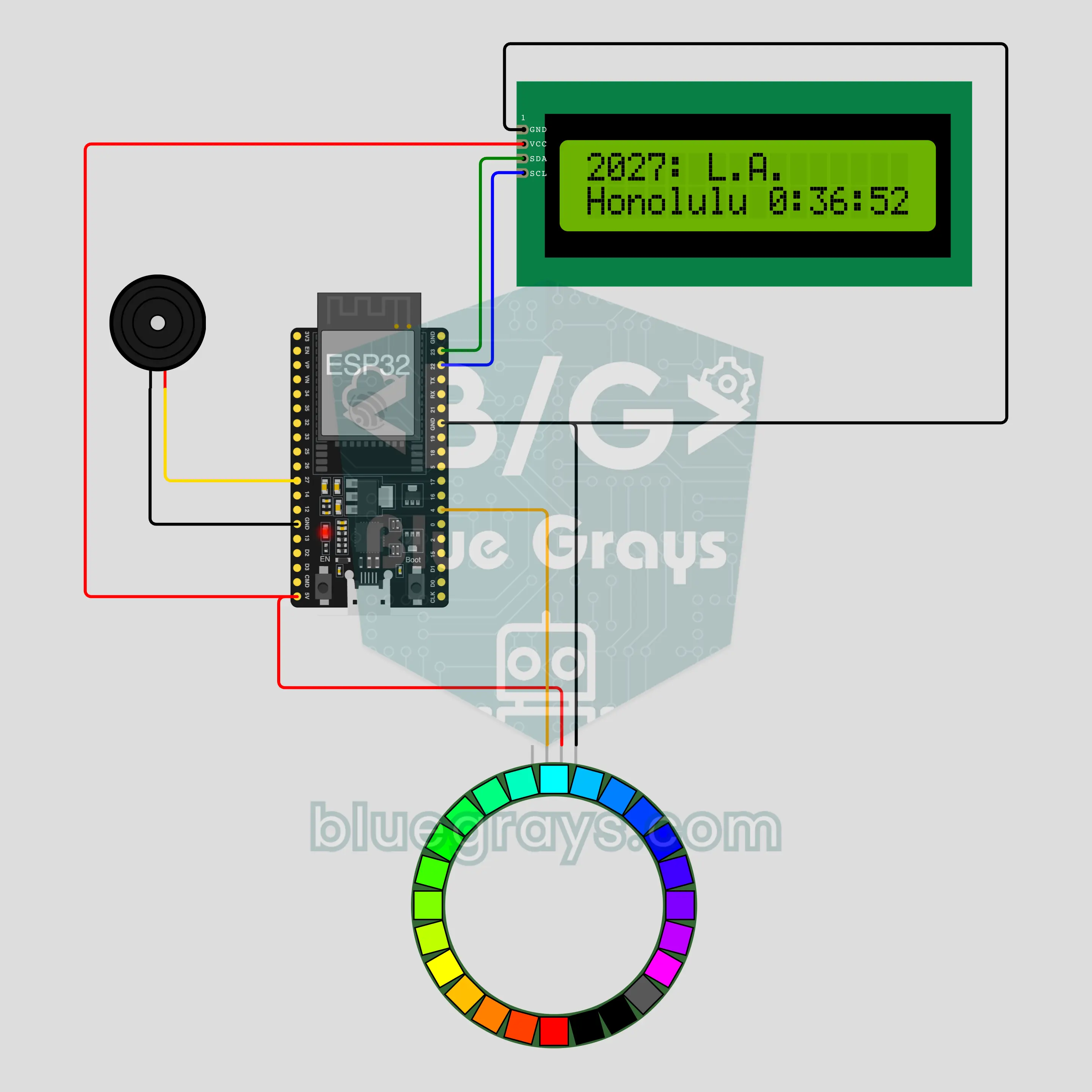
ESP32 New Year World Tour: Where Is 2027 Right Now? (NTP + I2C LCD + 24 LED Ring + Buzzer)
The new year does not reach the whole world at once: it starts on Kiritimati in the Pacific and travels west for 26 hours. This build follows that wave live. The ESP32 gets the time from the internet (NTP); whenever the new year enters one of 24 stops, one LED on the 24 LED ring lights up, the buzzer chimes and the LCD shows the city. The bottom row counts down to the next city. At the last stop the ring turns into a rainbow.
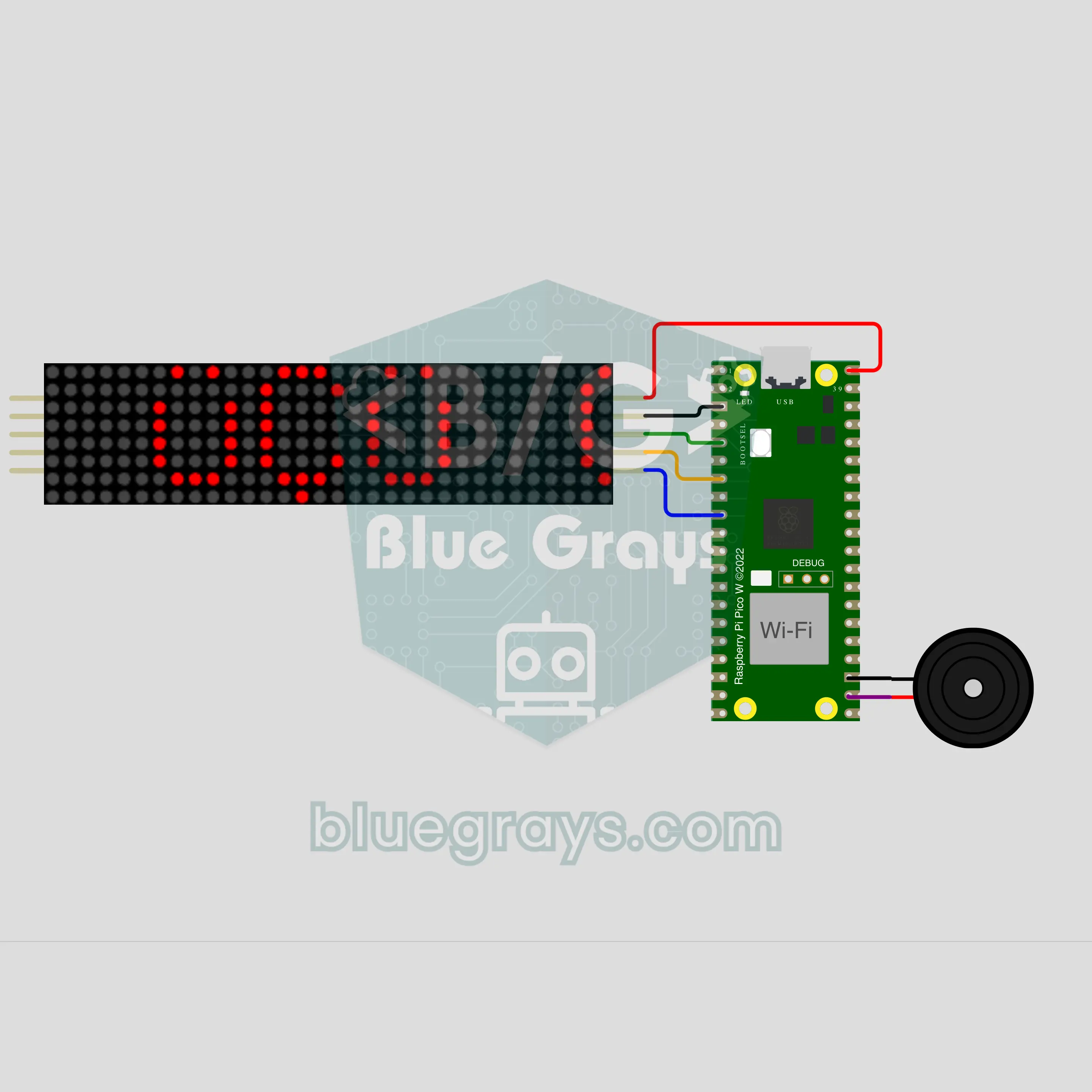
Pico W Turkish Word Clock: "SAAT ÜÇÜ ÇEYREK GEÇİYOR" (NTP + MAX7219 8x32)
The Raspberry Pi Pico W gets the time from the internet and says it with a Turkish sentence instead of digits: "SAAT ÜÇÜ ÇEYREK GEÇİYOR" (quarter past three) scrolls across an 8x32 LED sign. The endings come from a vowel harmony rule, not a ready-made list: ÜÇÜ, DÖRDÜ, BEŞİ, ALTIYI. Between sentences the digits appear. It chimes on the hour and beeps on the quarters; at night the sign dims and stays silent. At 00:00 on New Year's Day a tune plays and "YENİ YIL" scrolls by.
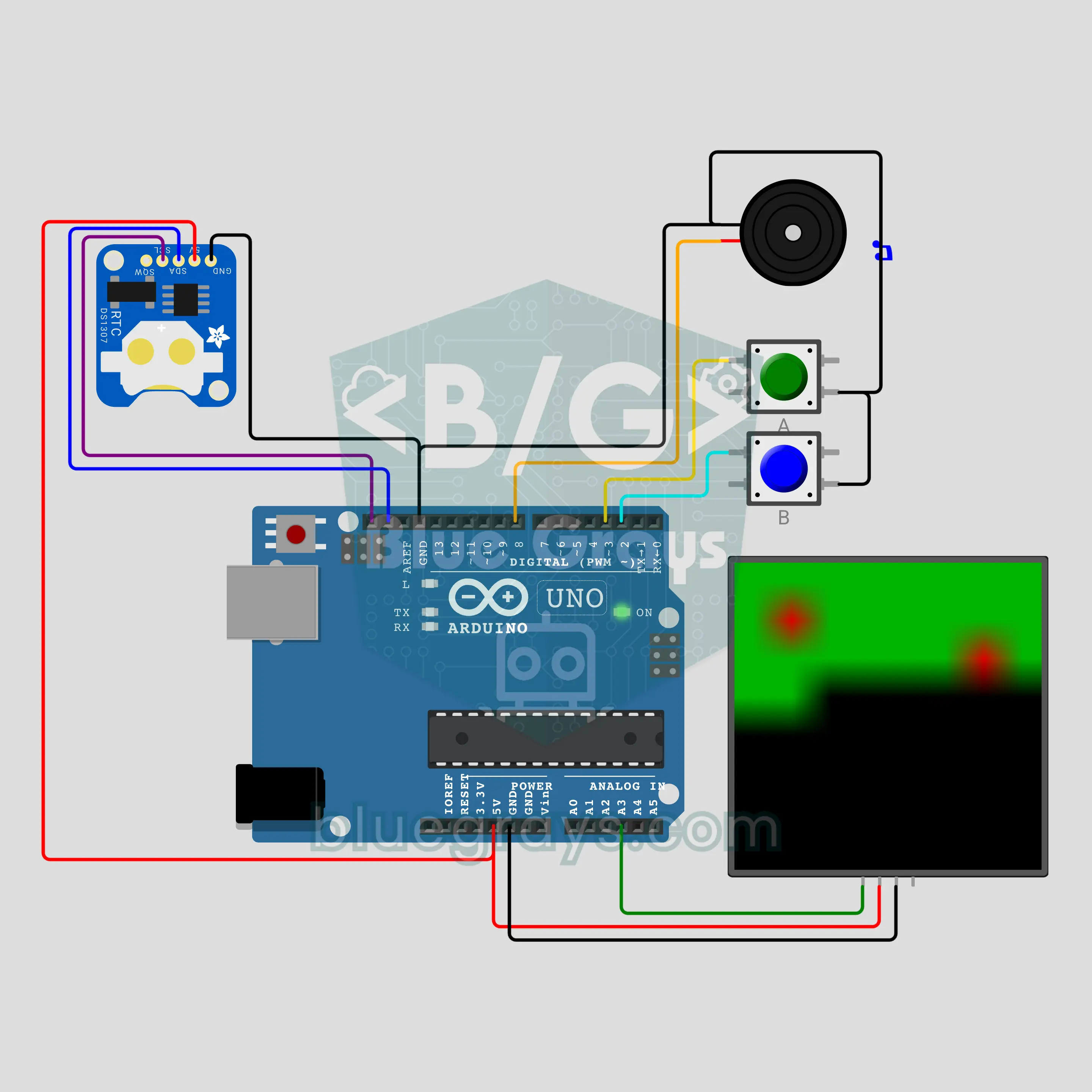
Habit Chain: Don't Drop Your 2027 Resolution (Arduino + DS1307 + 8x8 NeoPixel + 2 Buttons)
The don't break the chain method on your desk: press button A every day, that day's square on the 8x8 matrix lights green and the 64-day chain grows by one link. A day without a press stays red. Button B shows how many days in a row you have kept going. The DS1307 clock counts the days and the chain lives in its battery-backed memory, so it survives unplugging. Counting days from a real-time clock, keeping a record in bits, telling short from long presses.
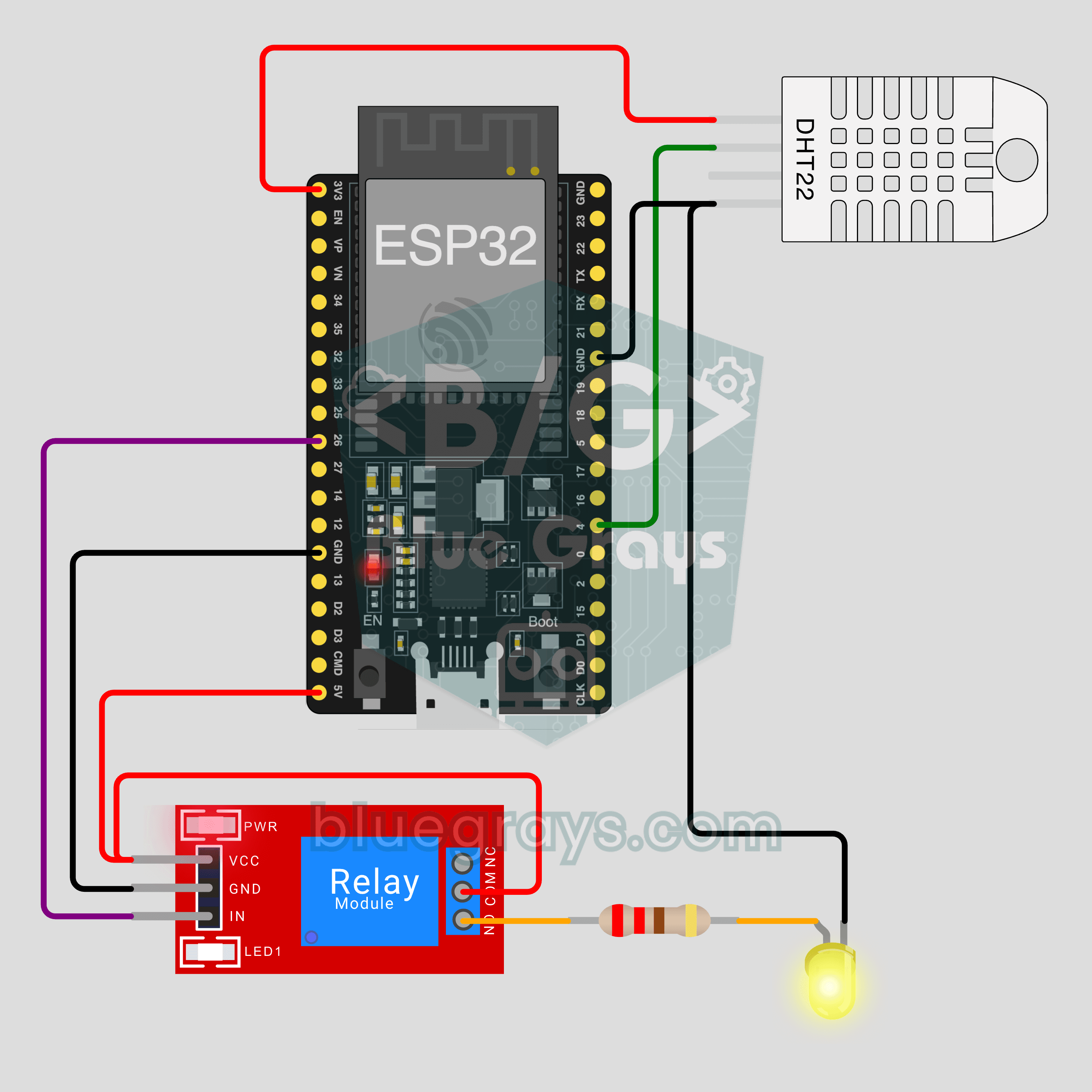
ESP32 IoT Room Station (Relay + DHT22)
Turn your lamp on from your phone and watch your room's temperature and humidity live, wherever you are. This project is the step-by-step guide to the Room station IoT template in the app, built with an ESP32, a relay module and a DHT22. Go to Workshop › Devices › Add a device and pick Room station; Ohmi prepares the code with your own device key. The code on this page is an example: the key and Wi-Fi details are placeholders.
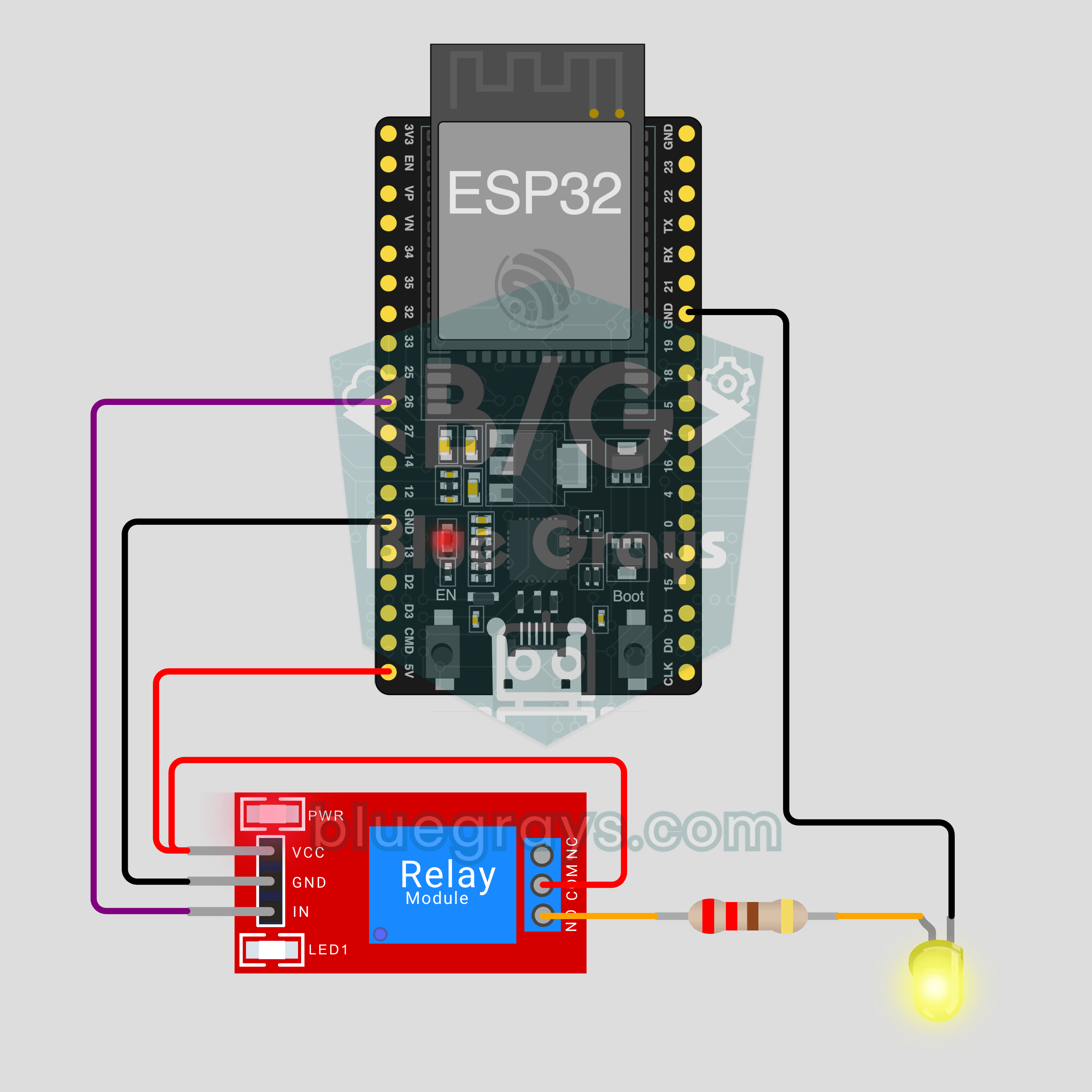
ESP32 IoT Lamp Switch (Relay)
Turn your lamp on and off from your phone, wherever you are. This project is the step-by-step guide to the Relay lamp IoT template in the app, built with an ESP32 and a relay module and tried with an LED first. Go to Workshop › Devices › Add a device and pick Relay lamp; Ohmi prepares the code with your own device key. The code on this page is an example: the key and Wi-Fi details are placeholders.