
Elektronika qo‘llanmalari
Detallarni tani, to‘g‘ri plata tanla, loyihalaringni ishonch bilan yasa.
Ingliz tilidagi maqolalar
 Detallar
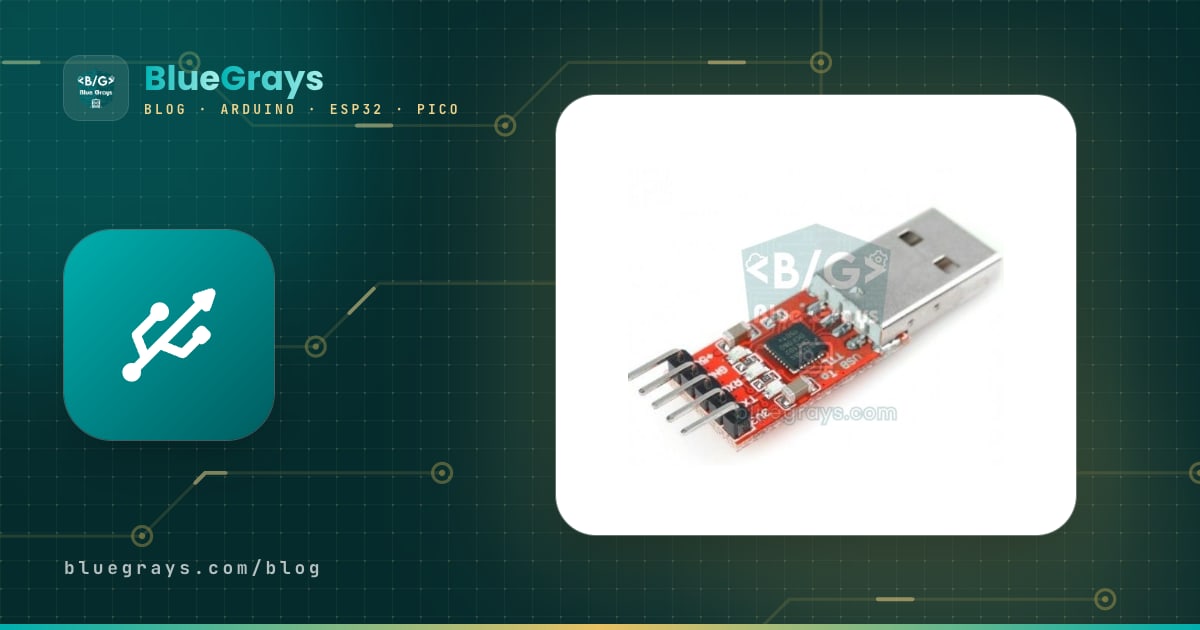
USB to TTL Serial Adapter: Using the CH340 and CP2102
Learn the USB to TTL adapter, the key to programming boards without USB and reading serial logs: correct TX-RX wiring, choosing 3.3 V or 5 V, drivers, auto-reset with DTR, uploading to ESP boards and a CH340 vs CP2102 comparison.
Ingliz tilida o‘qish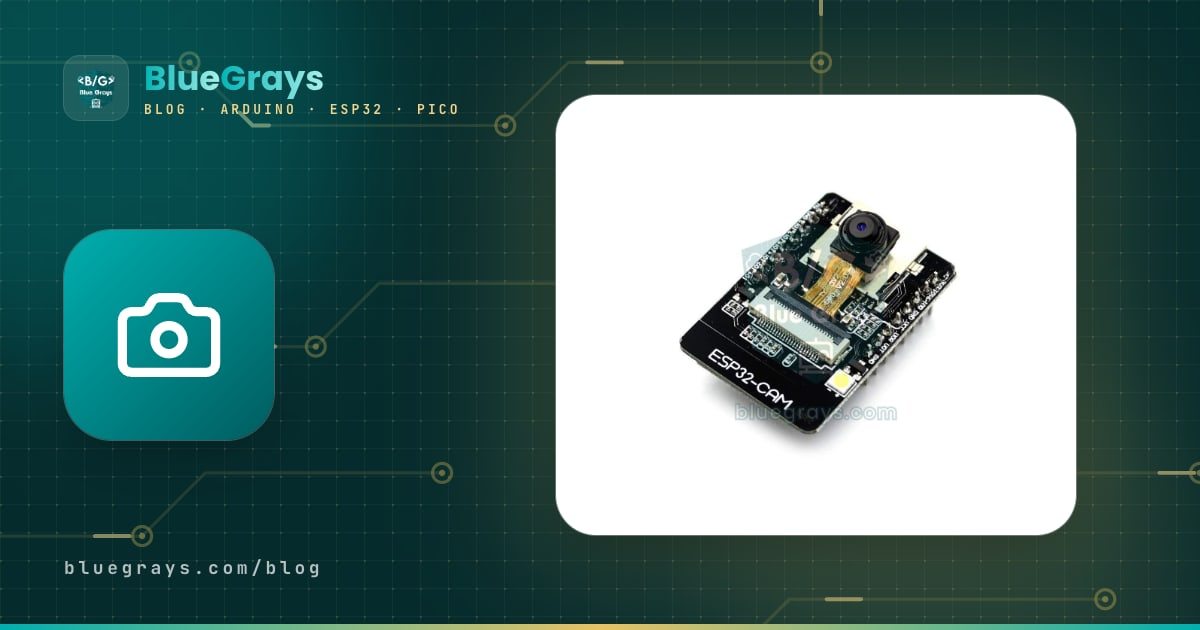 Qo‘llanmalar
ESP32-CAM Telegram: Send a Photo When Motion Is Detected
Connect a PIR sensor to your ESP32-CAM and get a photo on your phone through Telegram whenever something moves. The /foto command, the flash, running on batteries with deep sleep, night shots with IR and the limits of this setup as a security camera, all in one guide.
Ingliz tilida o‘qish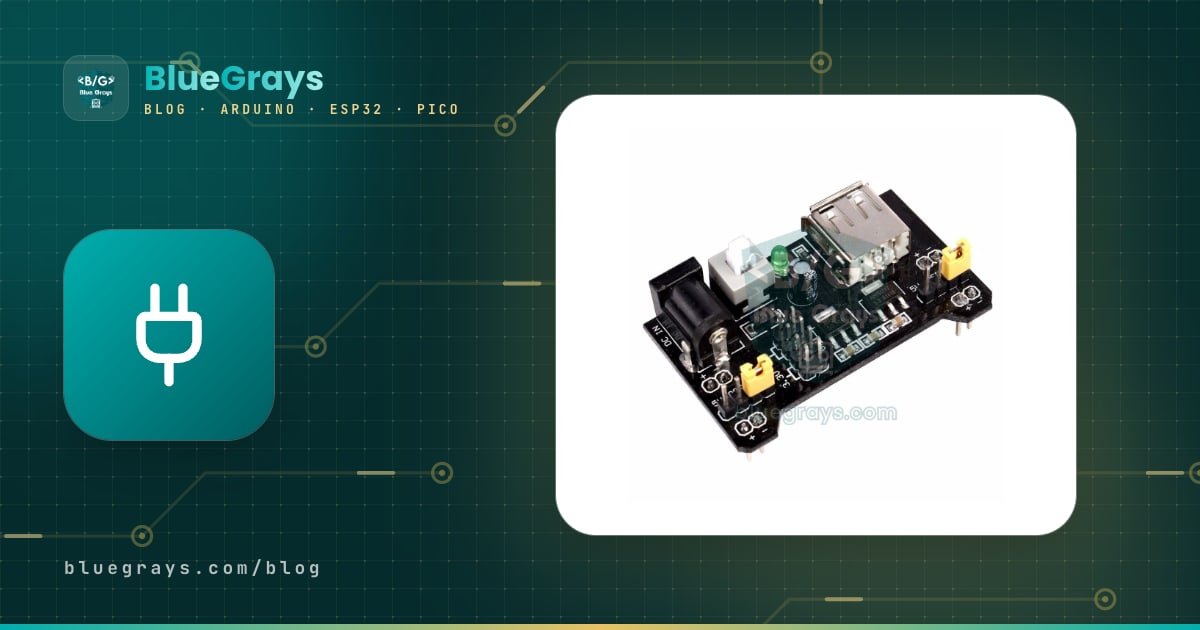 Detallar
Breadboard Power Supply Module MB102: 5V/3.3V, Current Limits
Learn to use the MB102 power module that plugs into your breadboard: which adapter to choose, how to set the 5 V and 3.3 V jumpers, how many mA it really delivers, why it gets hot and why it can't handle servos and motors.
Ingliz tilida o‘qish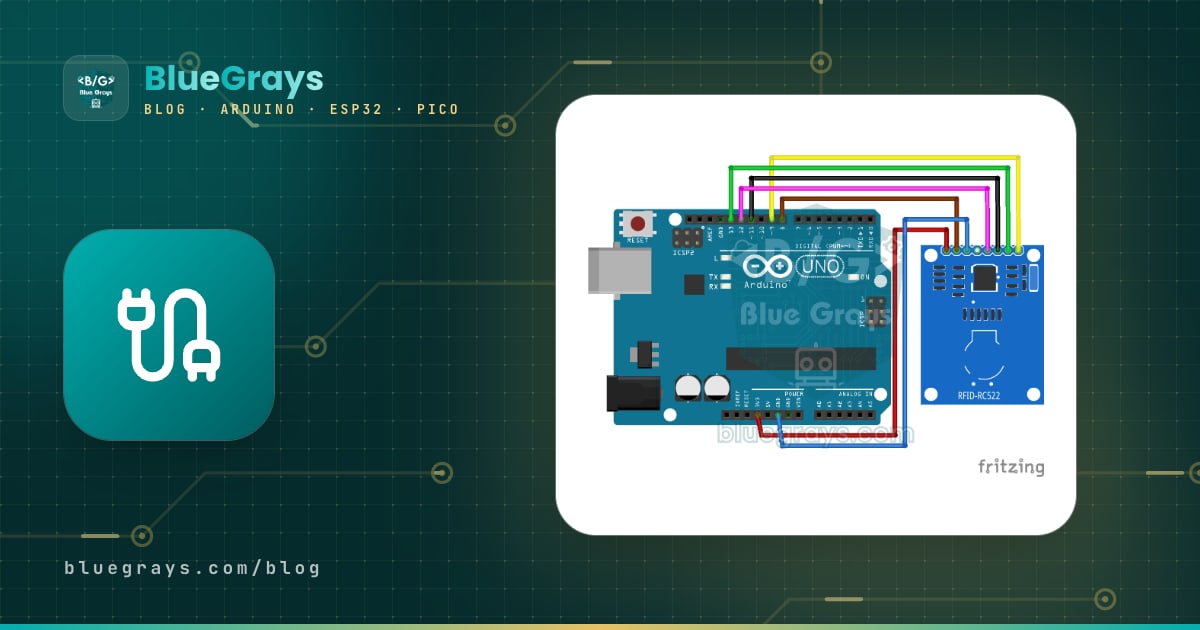 Asoslar
What Is SPI? MOSI, MISO, SCK and CS Pins Explained for Arduino
Learn SPI, the bus used by fast modules like SD cards, RFID readers, TFT displays and the nRF24L01: the four lines, modes, speed, multiple devices, board pins and why an SD card and an RFID reader won't work on the same bus.
Ingliz tilida o‘qish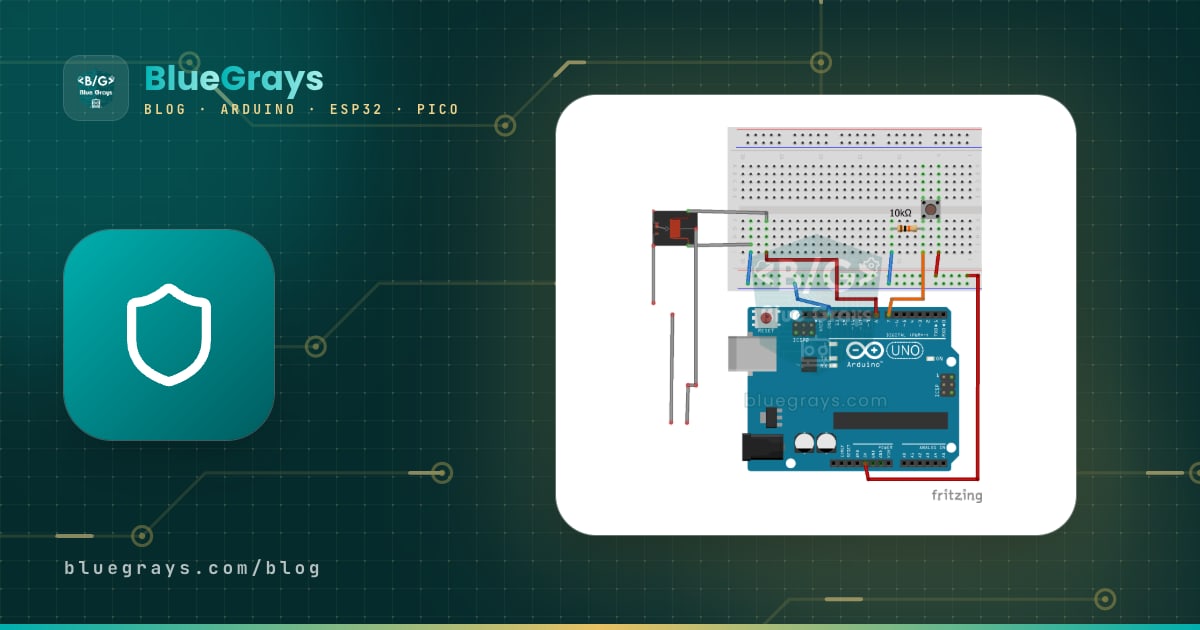 Detallar
What Is an Optocoupler? PC817 and 4N35 Isolation with Arduino
Learn how an optocoupler, with an LED and a phototransistor hidden inside, protects your Arduino from high voltage, how to calculate resistors for a PC817, how to read 12/24 V signals safely and what isolation is hiding in relay modules.
Ingliz tilida o‘qish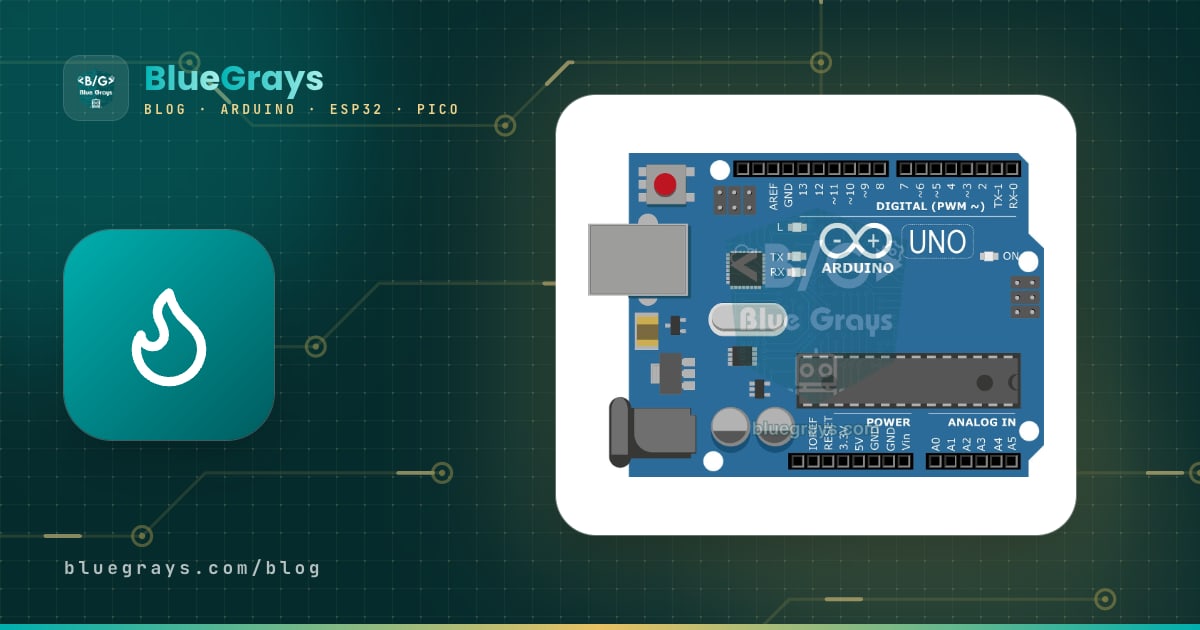 Qo‘llanmalar
Is My Arduino Dead? Symptoms, Diagnosis and How to Revive It
Learn to find out step by step whether your Arduino is really dead: read the symptoms, trace the power path with a multimeter, test the USB chip and the pins, reburn the bootloader, swap the ATmega328P if needed and follow the basic rules so you never fry a board again.
Ingliz tilida o‘qish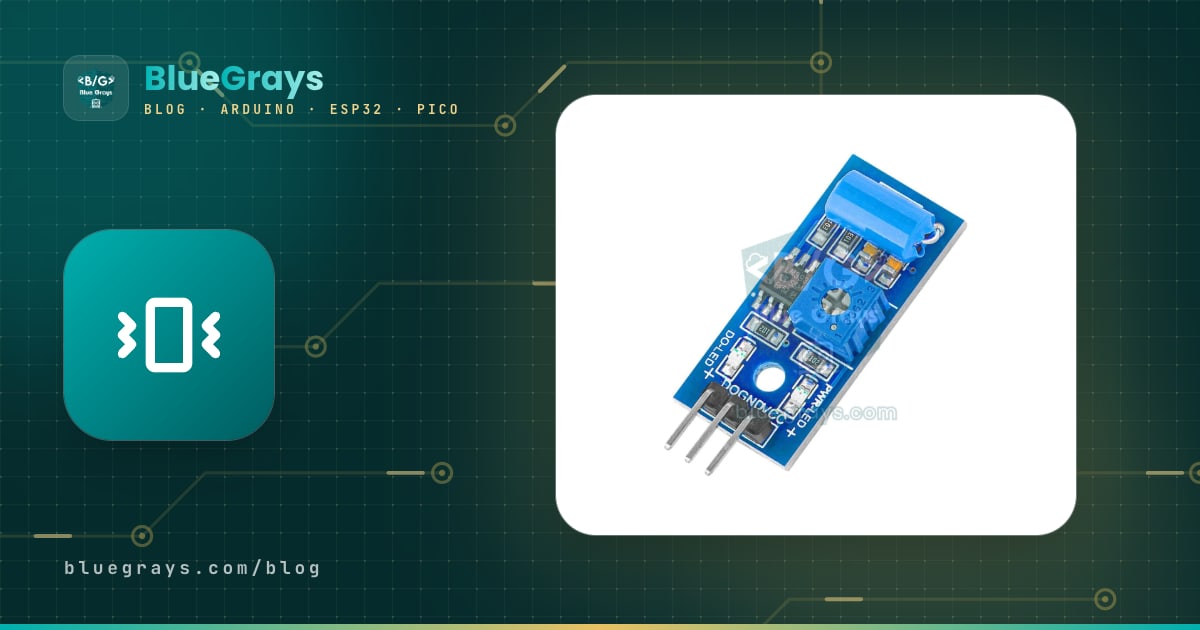 Detallar
SW-420 Vibration Sensor Arduino: Shock Detection and Alarm
Learn about the spring contact inside the SW-420 vibration sensor, how to set its sensitivity, count pulses with an interrupt and time each shock, cut false alarms, the limits of the earthquake-alarm idea and how to send Telegram alerts to your phone with an ESP32.
Ingliz tilida o‘qish Qo‘llanmalar
ESP32 OTA Update: Upload Code Wirelessly with ArduinoOTA
Learn to upload new code to your ESP32 without a cable: the network port in the Arduino IDE, uploading a .bin from your browser, automatic updates from a server, the right partition scheme, password protection and the rules for never losing OTA.
Ingliz tilida o‘qish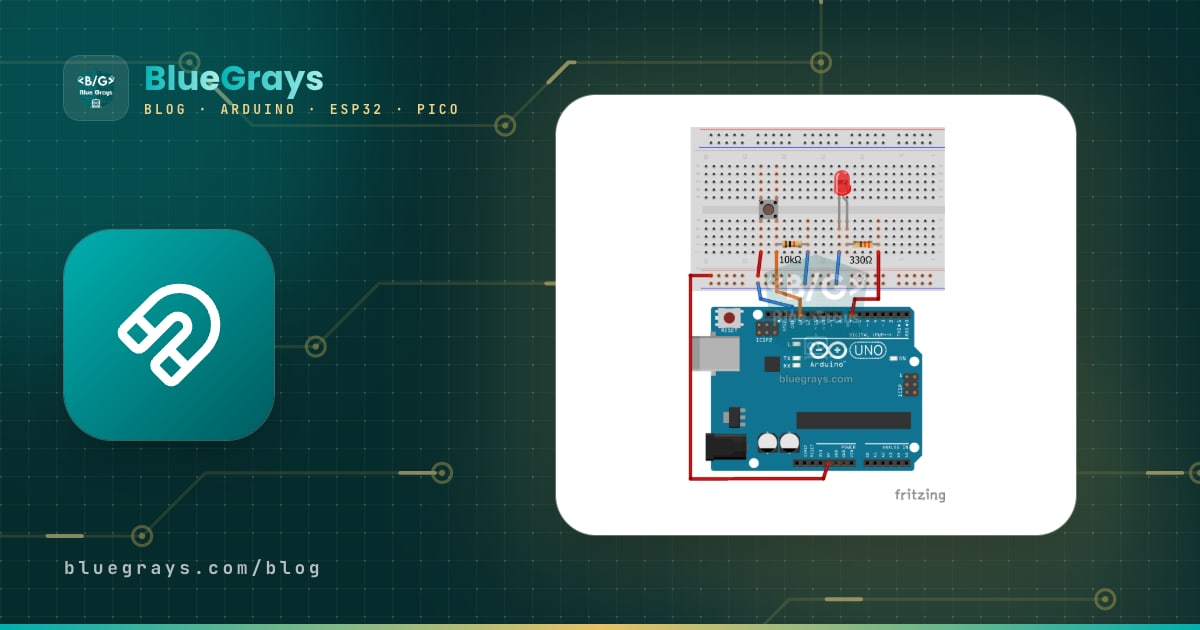 Detallar
Hall Effect Sensor Arduino: A3144 and 49E for Magnets and RPM
Learn how the Hall effect works, detect a magnet with the A3144, measure pole and field strength with the 49E, count a motor's RPM, build a door sensor and find out when a Hall sensor beats a reed switch.
Ingliz tilida o‘qish Qo‘llanmalar
First Arduino Lesson Plan: Introductions, Rules and an LED
A ready-to-use plan for the first lesson of an Arduino or robotics course: three goals, a minute-by-minute 40-minute flow, a first LED with full kits, few kits or none, a prep checklist, a student survey, a class agreement, a first-week task and a note for parents.
Ingliz tilida o‘qish Qo‘llanmalar
Arduino vs ESP32 vs Raspberry Pi Pico for Schools: Which Board?
How should a school choose between Arduino Uno, ESP32 and Raspberry Pi Pico? Decision tables by lesson goal, grade level, setup on school computers and budget, common mistakes and a layered one-year plan.
Ingliz tilida o‘qish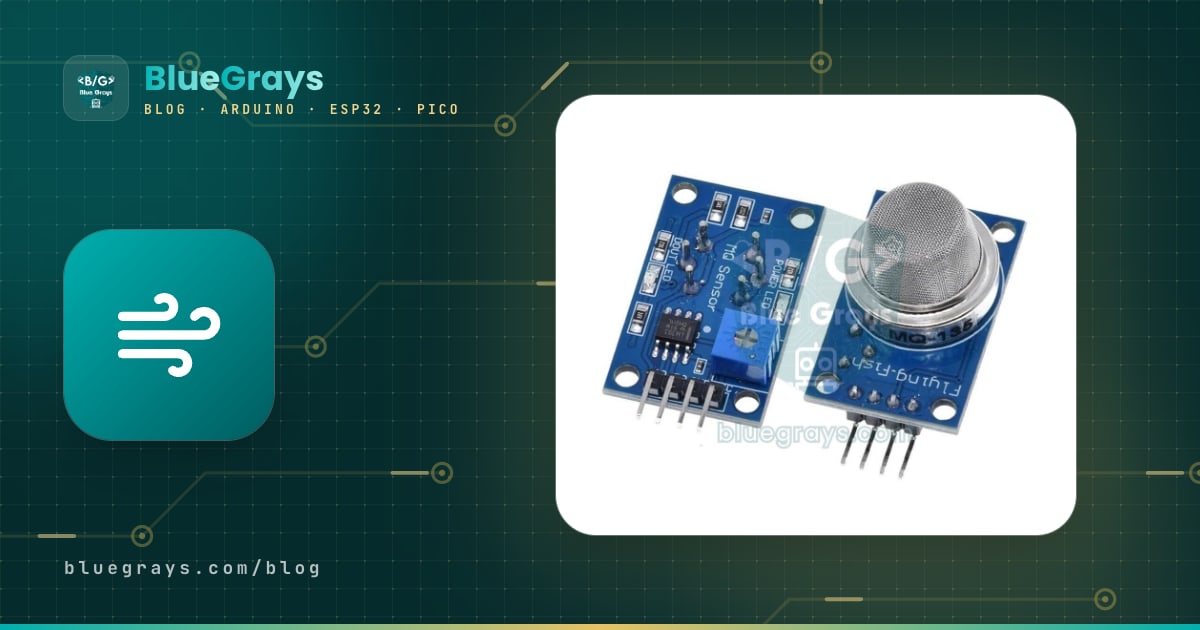 Detallar
MQ135 Arduino Tutorial: Air Quality Sensor, Calibration and PPM
Learn which gases the MQ-135 air quality sensor reacts to, why it has to warm up, how to calculate ppm with R0 calibration, whether it really measures CO2, how to run a ventilation fan automatically and how to log readings with an ESP32.
Ingliz tilida o‘qish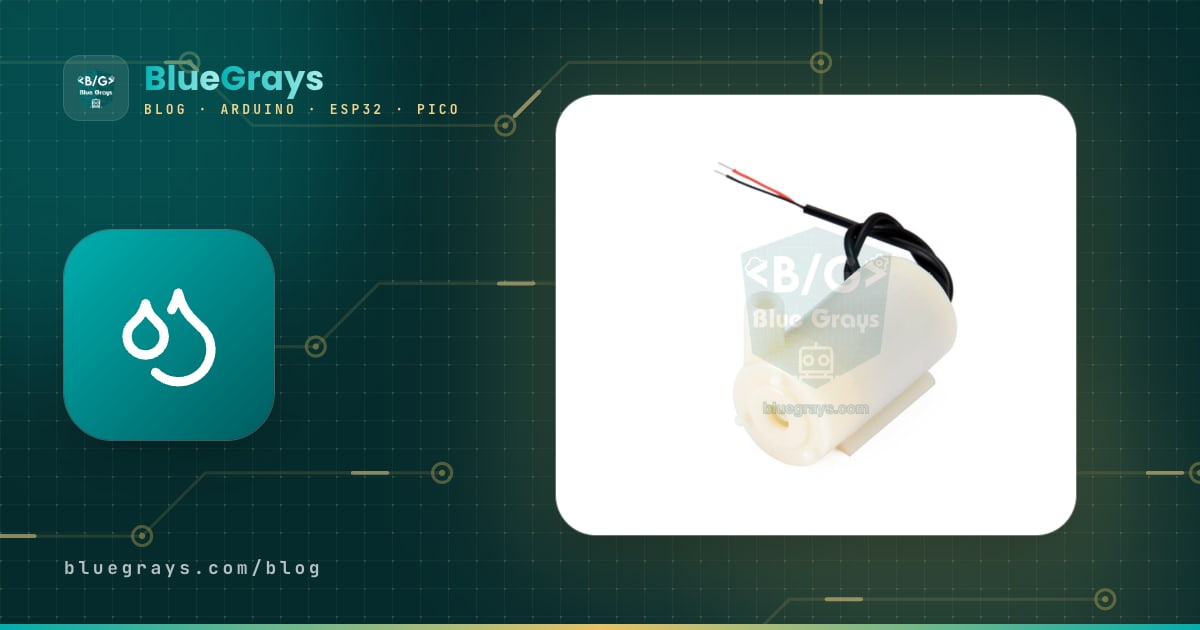 Detallar
Arduino Water Pump: Wire and Control a Mini Submersible Pump
Learn to connect a mini submersible water pump without frying your Arduino, set its speed with a MOSFET, measure the flow rate to dispense liquid to the millilitre, water by soil moisture and control it from your phone with an ESP32.
Ingliz tilida o‘qish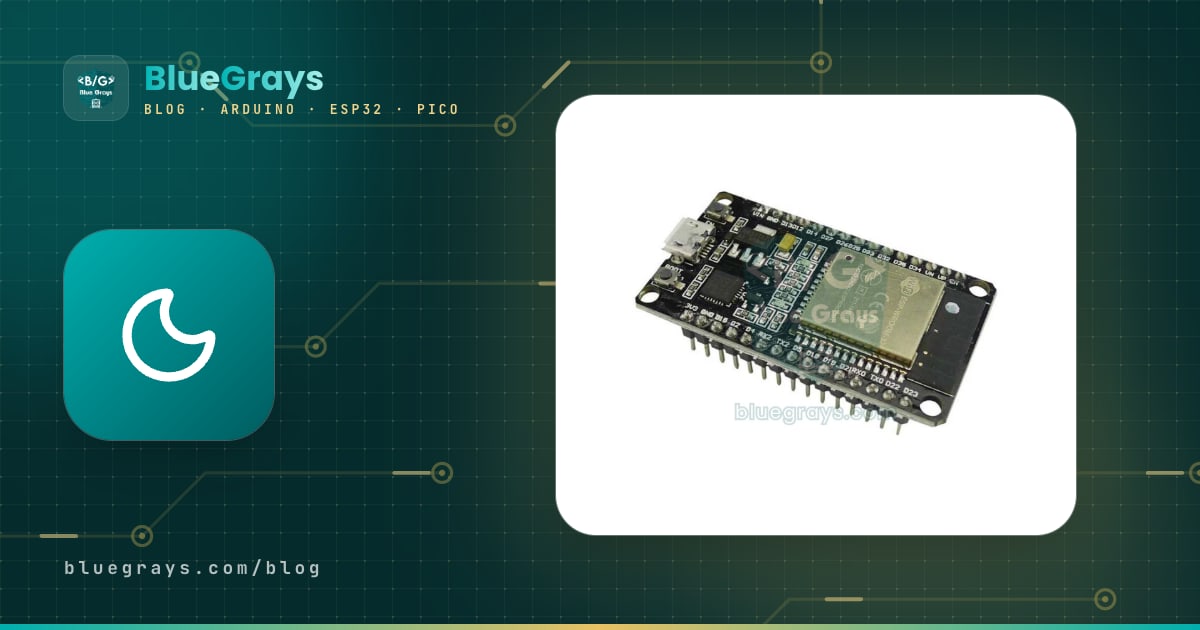 Qo‘llanmalar
ESP32 Deep Sleep: Wake-Up Sources, Current Draw and Battery Life
Learn how to put the ESP32 into deep sleep, wake it with a timer, a button, a PIR sensor or a touch, keep data in RTC memory and build a sensor that runs for months on a single 18650 cell.
Ingliz tilida o‘qish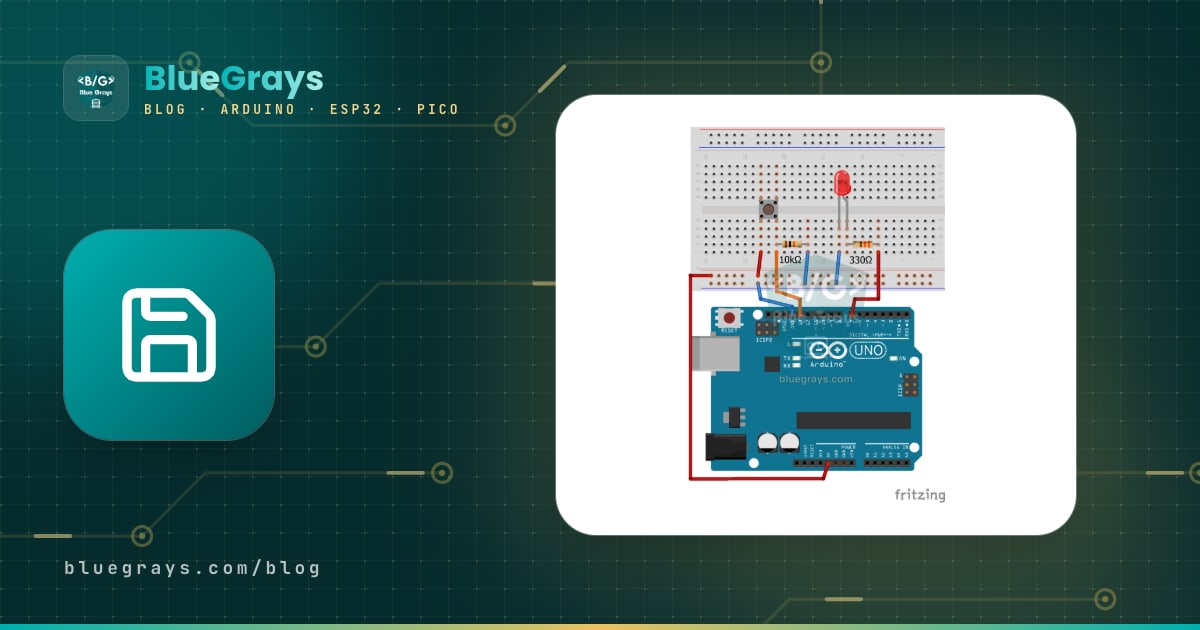 Asoslar
Arduino EEPROM Tutorial: Read, Write, Update, Put and Get
Learn to save settings, counters and passwords to EEPROM so they survive power loss, make it last longer, and do the same with Preferences on the ESP32 and the file system on the Pico, with code that compiles.
Ingliz tilida o‘qish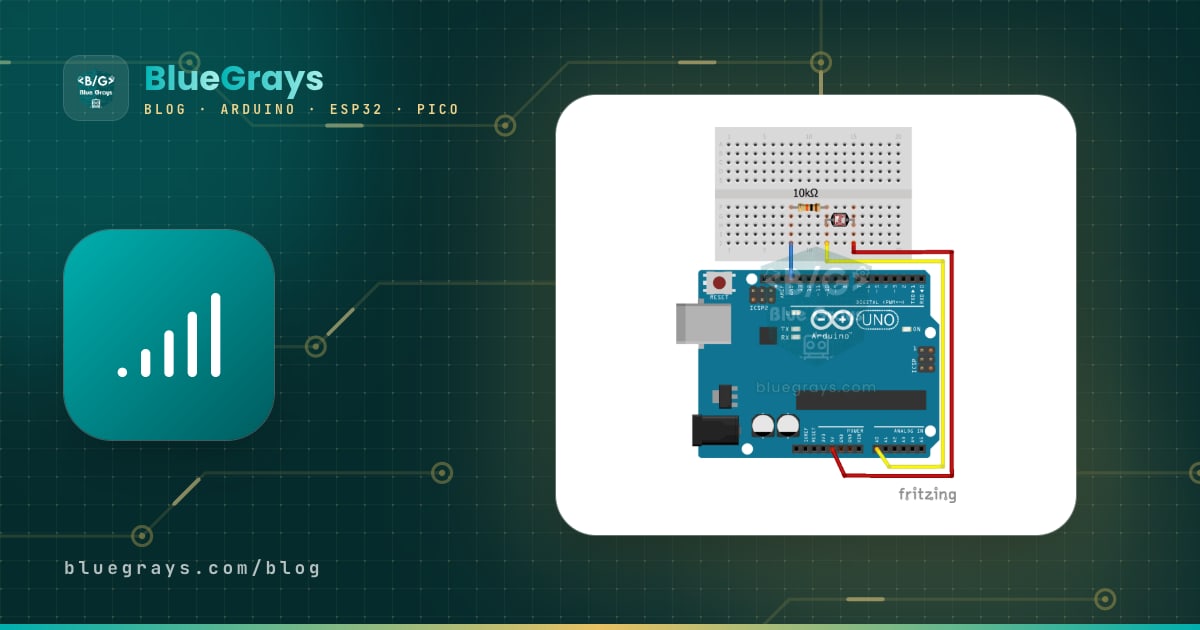 Asoslar
What Is an ADC? Analog-to-Digital Conversion with Arduino
Learn how the ADC works on Arduino, ESP32 and Raspberry Pi Pico: converting readings to volts, reference voltage, sampling rate, the ESP32's ADC pitfalls and reducing noise, with examples.
Ingliz tilida o‘qish Qo‘llanmalar
Write Arduino Code with AI: Better Prompts, Testing and Fixes
Learn how to get correct Arduino, ESP32 and Pico code from AI tools like ChatGPT, compile and test what you get, fix the most common mistakes and use AI without giving up on learning.
Ingliz tilida o‘qish Qo‘llanmalar
ESP32 MQTT Tutorial: Mosquitto, Home Assistant and ESPHome
Learn how MQTT brokers, topics and publish/subscribe work, set up Mosquitto, publish DHT22 readings from an ESP32, control a relay from Home Assistant and do the same job code-free with ESPHome.
Ingliz tilida o‘qish Qo‘llanmalar
Arduino Alarm System: PIR, Door Sensor, Keypad and Siren Guide
Build a home alarm with PIR, door, window and laser zones, a keypad code, entry and exit delays and a 12 V siren; code it as a state machine and get Telegram alerts on your phone with an ESP32.
Ingliz tilida o‘qish Qo‘llanmalar
Project-Based Learning with Arduino: A 4-Week Sample Unit
A 4-week Arduino PBL unit that starts from a real school problem: week-by-week plan, lesson-by-lesson exit questions, energy, water, noise and classroom air scenarios, a team contract, the prototype loop and a test log template.
Ingliz tilida o‘qish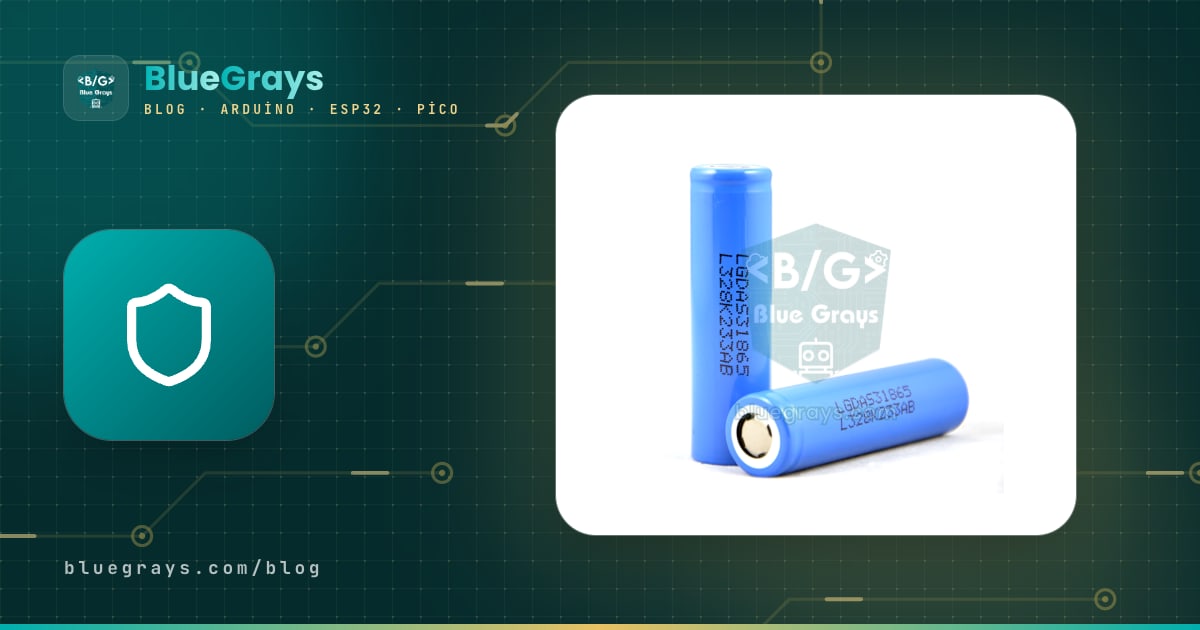 Qo‘llanmalar
Electronics Lab Safety Rules for Students: 10 Rules and Checklist
A realistic safety plan for Arduino and electronics lessons: the real risks in 5 V projects, 10 classroom rules with reasons, 18650 and LiPo batteries, the soldering station, motors and external power, the mains limit and before and after class checklists.
Ingliz tilida o‘qish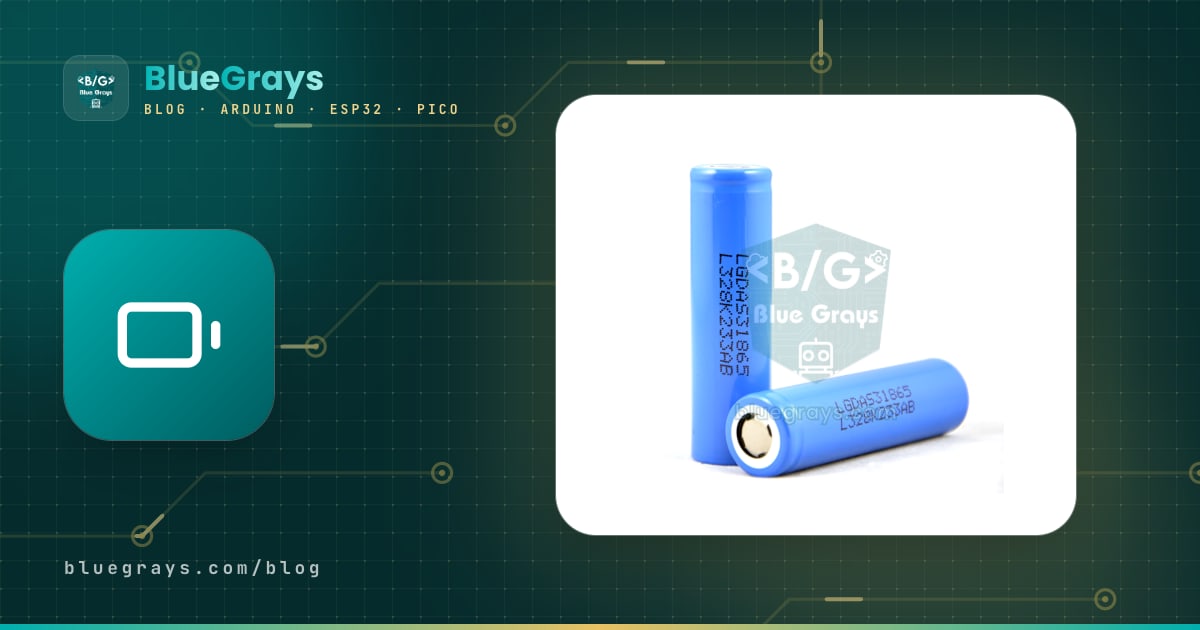 Asoslar
What Does mAh Mean? Battery Capacity, Wh and Runtime Explained
Learn what mAh and Wh really mean, how to measure your project's current with a multimeter or an INA219, how to calculate how long a battery will last, and how to choose between AA, 9V, 18650 and LiPo, with real numbers.
Ingliz tilida o‘qish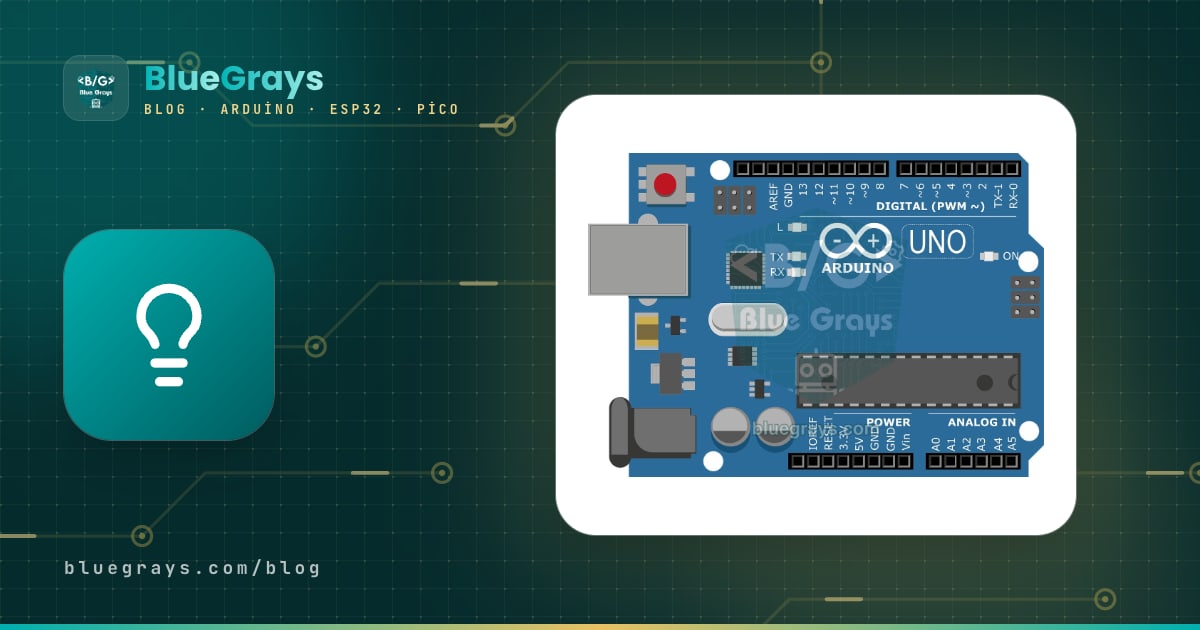 Qo‘llanmalar
Coding Class Warm Up Activities: 15 Ready Ideas for Arduino
15 warm up activities for the first 10 minutes of Arduino and robotics lessons: time, materials, how to play and which concept each one prepares, plus a topic matching table, online versions and a copyable 8-week plan.
Ingliz tilida o‘qish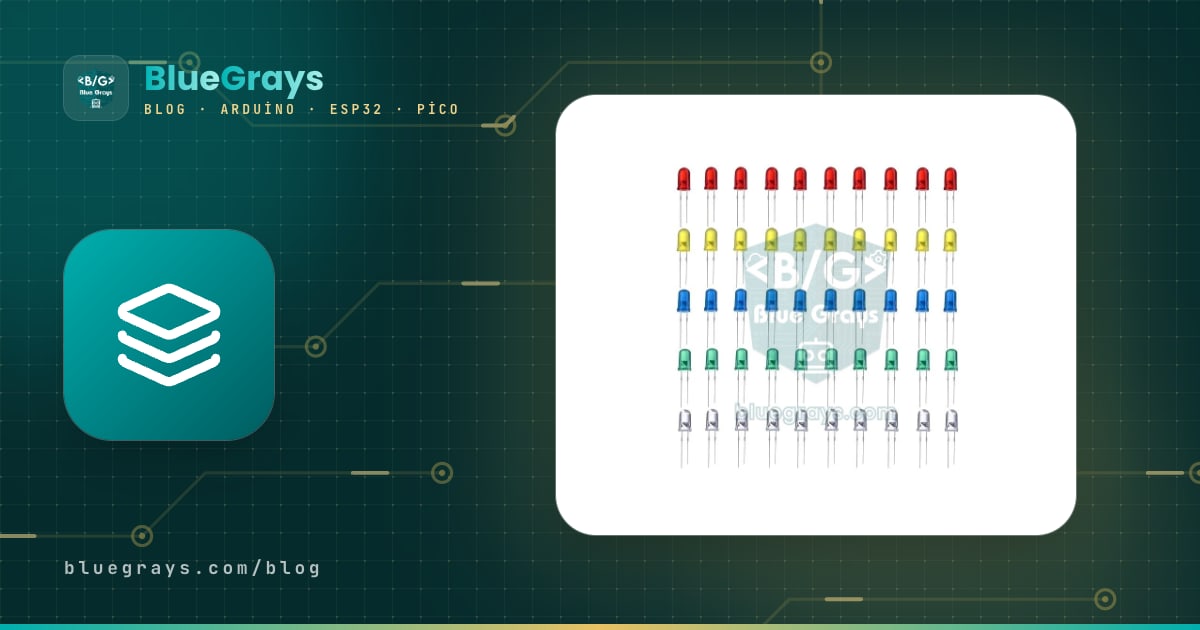 Qo‘llanmalar
Differentiated Instruction in an Arduino Class: 3 Tiers, 1 Lesson
Students who have never seen code next to students who have built robots? A template that splits one project into three tiers, a 10-minute pre-assessment, a grouping table, extension and support menus, a fair rubric and a 40-minute lesson flow.
Ingliz tilida o‘qish